The Science of Sound: Understanding Frequency and Its Impact
Sound is a vibration that travels through the air (or other mediums) and can be characterized by its frequency, measured in hertz (Hz). Frequencies determine the pitch of the sound we hear; for example, a low frequency produces a deep bass sound, while a high frequency creates a sharp, high-pitched tone. This fundamental understanding of sound properties is essential in exploring how they impact our sensory experiences.
Moreover, different frequencies can elicit various responses in our bodies and minds. Low frequencies are often associated with relaxation and grounding effects, while higher frequencies can stimulate alertness and mental clarity. Understanding these effects can help us harness sound for therapeutic and enhancement purposes.
How Sound Frequencies Influence Mental States and Awareness
Research has shown that sound frequencies can significantly affect our mental states. For instance, binaural beats, which involve playing two slightly different frequencies in each ear, can induce states of relaxation, concentration, or even deep meditation. This phenomenon suggests that our brainwaves can synchronize with auditory stimuli, altering our mental states and enhancing cognitive functions.
Furthermore, sound frequencies have been linked to emotional responses. Specific frequencies can evoke feelings of joy, sadness, or nostalgia. By being aware of how different sounds impact our emotions and mental clarity, we can use this knowledge to create environments that promote well-being and emotional balance.
The Role of Reflection in Sensory Processing and Perception
Reflection plays a crucial role in how we process and perceive sound. It is not only about hearing sounds but also about how we interpret and respond to them. Our past experiences, cultural background, and personal preferences shape our auditory perception, influencing how we reflect on various sounds and frequencies.
Additionally, the awareness of our surroundings through sound can enhance our sensory organization. For example, being mindful of ambient sounds can improve our focus and attentiveness, allowing us to reflect on our environment more deeply. This awareness can lead to a more profound understanding of our interactions with sound and its effects.
Practical Applications: Utilizing Sound Frequency for Enhanced Awareness
Sound frequencies can be practically applied in various fields, including therapy, education, and wellness. For instance, sound therapy uses specific frequencies to promote healing and relaxation, helping individuals manage stress and anxiety. Music therapy is another application where tailored sound frequencies are used to enhance emotional processing and cognitive function.
In educational settings, incorporating sound frequencies into learning environments can improve focus and retention. Background music or specific sound frequencies can create a conducive learning atmosphere that enhances student engagement and awareness.
Future Directions: Research and Innovations in Sound Therapy and Sensory Organization
The future of sound therapy and sensory organization looks promising, with ongoing research exploring the potential benefits of sound frequencies in various therapeutic contexts. Innovations such as virtual reality experiences that incorporate sound can create immersive environments that promote healing and self-awareness.
Moreover, advancements in technology allow for more personalized sound therapy, where individuals can explore sound frequencies that specifically cater to their needs. As we continue to uncover the intricate relationship between sound and consciousness, we may discover new methods to enhance our mental and emotional well-being through sound.
Jan
19
Exploring Sensory Organization: How Sound Frequency Affects Reflection and Awareness
0
comments
Reply
dont player hate…. participate
Trending
- (no title)https://websim.com/@oceansontology/the-lines scout apPortal
- scout apPortalScout App – Uniform Kanban Deck “oceanduran.com mAPPLOC8 2025” (Scout App) a portal to Living Waters… Card Deck Select a Card to View Content Content of the selected card will appear here. Select Voice: Read Content Pause Resume Stop
- (no title)
- tubenews

- oceansEmedia

- WORD007
- UK to Host Vital Conference Addressing Sudan’s Ongoing Civil War
 The UK is hosting a global conference on April 15 to unite countries in addressing Sudan’s civil war, coinciding with the second anniversary of the conflict. With millions displaced and facing food shortages, the conference aims to press for a ceasefire and accountability from external backers. It will be conducted without the main warring factions,… Read more: UK to Host Vital Conference Addressing Sudan’s Ongoing Civil War
 - mAPPLOC8 c`RE8
 SO IT WAS AND IS WRITTEN, LIKE THAT WHICH COMES FROM A FATHER! ... "AND THE SPIRIT OF GOD HOVERED OVER THE FACE, OF WATERS".
 - N D’fining WORD
 This piece explores the profound nature of "the Word," suggesting it encompasses not only divine communication but also individual identity and purpose.
 - mAPPLOC8
 Our clever words were not made up.. for us to become.. for WE are the WORDS of God..
 - Fire AcademyVIDEO Monterey FIRE ACADEMY PROMO with Video and Music edited by Ocean Duran
- SOFVIDEO USC SHORT FILM director J.R. Arinaga with Choreographer Ocean and dancers
- ReneeVIDEO ASIA ENTERTAINMENT artist Renee Chen with Choreographer Ocean and dancers
- dance team promo
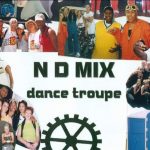 VIDEO Oceans Dance team promo N Da Mix
 - AndrewVIDEO ASIA ENTERTAINMENT artist Andrew with Choreographer Ocean and dancers
- PurityVIDEO ASIA ENTERTAINMENT artist Purity with Choreographer Ocean and dancers
- REMIXedVIDEO REMIX by Choreographer Ocean Duran
- CardinVIDEO ASIA ENTERTAINMENT artist Cardin with Choreographer Ocean and dancers
- AdidasVIDEO Oceans N Da Mix dance team with Adidas promos
- MachiAward winning best choreography MtV taiwan
- PunaOceansOgraphy story telling about Puna and the deities..
- CarnivalLIve performances with Ocean and dancers with DMK Productions at the Keyclub on Sunset Blvd.
- ONE note

- Performers Paramount
 Unlocking Creative Texts: An Ontological Etymology Guide Click here PERFORMERS PARAMOUNT Each singularity is a performer and every one is paramount. Experience the artistic vision of Ographer Ocean Duran, where expression transforms into performance and creativity knows no bounds. Explore Performances Contact Ocean The Power of Sound: How Frequencies Shape Understanding Sound has a profound… Read more: Performers Paramount
 - unlocking creative texts an ontological etymology guide
 Unlocking Creative Texts: An Ontological Etymology Guide Click here Unlocking Creative Texts: An Ontological Etymology Guide 1 Language 2 NeuroDiverse 3 Ark-I-Text This guide explores the connection between language, neuroscience, and creative texts using ontological etymology. It offers a novel approach to understanding textual creativity through interdisciplinary analysis. Explore the intersection of language, neuroscience, and… Read more: unlocking creative texts an ontological etymology guide
 - Oceans~E=mEDia TVMyspace.com/oceanremix These are most of my videos all on one player..
- N’ovate to Motivate!
- (no title)
- PHp BALANCE OR phAILNo problem! IONOS offers the ability to manage the PHP versions your site runs on. This can be important for compatibility with various web applications, plugins, and to ensure optimal performance and security. Here’s how you can manage PHP versions on IONOS: Managing PHP versions can help keep your website running smoothly and securely. If… Read more: PHp BALANCE OR phAIL
- Tagging the bagginAbsolutely! Let’s dive into how you can use Mp3tag for your remix project while highlighting that your remixes reflect the art of expressing emotion rather than becoming emotional. Using Mp3tag for Your Remix Project Expressing Emotion in Your Remixes To convey that your remixes are about expressing emotion rather than becoming emotional, you can use… Read more: Tagging the baggin
- dont playa hate… participate!That sounds like an exciting and ambitious project! Here’s a roadmap to help you get started with this global collaborative storytelling platform: Step 1: Define the Concept Step 2: Build the Platform Step 3: User Participation Step 4: Engagement and Gamification Step 5: Community Building Step 6: Analytics and Feedback Step 7: Marketing and Promotion… Read more: dont playa hate… participate!
- not the beginning, not the end ….but it’s everything and there’s a lot of it…. me yakking to A.i. coversationsSure, here’s your remixed version itemized by the numbers in parentheses: This itemization preserves the order and presents a cleaner, structured document. If you need further modifications, feel free to ask! Sure, here’s your remixed version itemized by the numbers in parentheses: This itemization preserves the order and presents a cleaner, structured document. If you… Read more: not the beginning, not the end ….but it’s everything and there’s a lot of it…. me yakking to A.i. coversations
- news
- The Power of Sound: How Frequencies Shape Our Understanding
 Sound has a profound impact on our perception and understanding of the world around us. The frequencies of sounds can evoke emotions, trigger memories, and even influence our thoughts. For instance, certain musical notes may resonate with us in a way that enhances our spiritual experiences, leading us to a deeper understanding of sacred texts.… Read more: The Power of Sound: How Frequencies Shape Our Understanding
 - The Connection Between Language and Spirituality
 Language serves as a bridge between our inner experiences and the outer world, deeply influencing our spiritual perceptions. The words we choose to express our thoughts and feelings are not merely tools of communication; they carry with them historical and cultural significance that can shape our understanding of spirituality. By examining the etymology of spiritual… Read more: The Connection Between Language and Spirituality
 - The Science Behind Spoken Words and Their Energetic Vibration
 Spoken words carry vibrational frequencies that can affect our surroundings and our internal state. Scientific studies suggest that sound waves produced by our speech can influence our brain chemistry and emotional well-being. The vibration of our words resonates not only with our own energy but also with the energy of the universe, creating ripples that… Read more: The Science Behind Spoken Words and Their Energetic Vibration
 - Sound of Language’s
- oceansE=mEDia Click to viewedited inspirations…
- Npired Depths of the Ocean
- (no title)