scout apPortal
“oceanduran.com mAPPLOC8 2025” (Scout App) a portal to Living Waters…
Select a Card to View Content
Content of the selected card will appear here.
0
comments
oceansEmedia
Upcoming EVEN in Your Community!
Applications of Persuasion
[edit]The four modes of persuasion are present in many more ways than most might think. They can be seen in advertisements on social media, on television, in flyers, and even on billboards on the side of the road.[9] This type of persuasion can be seen in a simple conversation with family members or friends. Those might present at least one of the aspects of persuasion: logos, with numbers, pathos, emotional appeal, ethos, with the authority of an entity, and Kairos, in the right time or with some relation with them.[3][9] Another important application of persuasion can be seen in public speeches. Those can be through a process called framing and reframing.[10] This process gets its name because speakers need to use the correct words during a speech so their audience correctly understands their message. If a speaker wants to use a specific word, slang, or metaphor, he/she needs to do a lot of research on his/her audience’s background to understand the values and knowledge of their audience to persuade effectively.
LOGOS.
Jul 24, 2026
Aristotle’s rhetorical logos
Aristotle, 384–322 BC
Following one of the other meanings of the word, Aristotle gave logos a different technical definition in the Rhetoric, using it as meaning argument from reason, one of the three modes of persuasion. The other two modes are pathos (πᾰ́θος, páthos), which refers to persuasion by means of emotional appeal, “putting the hearer into a certain frame of mind”;[23] and ethos (ἦθος, êthos), persuasion through convincing listeners of one’s “moral character”.[23] According to Aristotle, logos relates to “the speech itself, in so far as it proves or seems to prove”.[23][24] In the words of Paul Rahe:
For Aristotle, logos is something more refined than the capacity to make private feelings public: it enables the human being to perform as no other animal can; it makes it possible for him to perceive and make clear to others through reasoned discourse the difference between what is advantageous and what is harmful, between what is just and what is unjust, and between what is good and what is evil.[8]
Logos, pathos, and ethos can all be appropriate at different times.[25] Arguments from reason (logical arguments) have some advantages, namely that data are (ostensibly) difficult to manipulate, so it is harder to argue against such an argument. On the other hand, trust in the speaker—built through ethos—enhances the appeal of arguments from reason.[citation needed]
Robert Wardy suggests that what Aristotle rejects in supporting the use of logos “is not emotional appeal per se, but rather emotional appeals that have no ‘bearing on the issue’, in that the pathē [πᾰ́θη, páthē] they stimulate lack, or at any rate are not shown to possess, any intrinsic connection with the point at issue—as if an advocate were to try to whip an antisemitic audience into a fury because the accused is Jewish; or as if another in drumming up support for a politician were to exploit his listeners’s reverential feelings for the politician’s ancestors”.[26]
Aristotle comments on the three modes by stating:
Of the modes of persuasion furnished by the spoken word there are three kinds.
The first kind depends on the personal character of the speaker;
the second on putting the audience into a certain frame of mind;
the third on the proof, or apparent proof, provided by the words of the speech itself.
— Aristotle, Rhetoric, 350 B.
PATHOS.
Aug 23, 2026
Methods
Emotional appeal can be accomplished in many ways, such as the following:
by a metaphor or storytelling, commonly known as a hook;
by passion in the delivery of the speech or writing, as determined by the audience;
by personal anecdote.
appealing to an ideal can also be handled in various ways, such as the following:
by understanding the reason for their position
avoiding attacks against a person or audience’s personally
use the attributes of the ideal to reinforce the message.
Pathos tends to use “loaded” words that will get some sort of reaction. Examples could include “victim,” in a number of different contexts. In certain situations, pathos may be described as a “guilt trip” based on the speaker trying to make someone in the audience or the entire audience feel guilty about something. An example would be “Well, you don’t have to visit me, but I just really miss you and haven’t seen you in so long.
KAIROS
Oct 14, 2026
Kairos (Greek for “right time,” “season” or “opportunity”)
Refers to the “timeliness” of an argument.
Modern rhetorical definition
Aaron Hess (2011)[14] submits a definition of kairos for the present day that bridges the two classical applications: Hess addresses Poulakos’ view that, “In short, kairos dictates that what is said, must be said at the right time.”[10] He also suggests that in addition to timeliness, kairos considers appropriateness. According to Hess, kairos can either be understood as, “the decorum or propriety of any given moment and speech act, implying a reliance on the given or known”, or as “the opportune, spontaneous, or timely.”[14] Although these two ideas of kairos might seem conflicting, Hess says that they offer a more extensive understanding of the term. Furthermore, they encourage creativity, which is necessary to adapt to unforeseen obstacles and opinions that can alter the opportune or appropriate moment, i.e. kairos. Being able to recognize the propriety of a situation while having the ability to adapt one’s rhetoric allows taking advantage of kairos to be successful. Hess’s updated definition of kairos concludes that along with taking advantage of the timeliness and appropriateness of a situation, the term also implies being knowledgeable of and involved in the environment where the situation is taking place in order to benefit fully from seizing the opportune moment..
ETHOS.
Dec 07, 2026
In rhetoric, ethos (credibility of the speaker) is one of the three artistic proofs (pistis, πίστις) or modes of persuasion (other principles being logos and pathos) discussed by Aristotle in ‘Rhetoric’ as a component of argument. Speakers must establish ethos from the start. This can involve “moral competence” only; Aristotle, however, broadens the concept to include expertise and knowledge.[8][9] Ethos is limited, in his view, by what the speaker says. Others, however, contend that a speaker’s ethos extends to and is shaped by the overall moral character and history of the speaker—that is, what people think of his or her character before the speech has even begun (cf Isocrates).
According to Aristotle, there are three categories of ethos:
phronesis – useful skills & practical wisdom
arete – virtue, goodwill
eunoia – goodwill towards the audience
0
comments
UK to Host Vital Conference Addressing Sudan’s Ongoing Civil War
The UK is hosting a global conference on April 15 to unite countries in addressing Sudan’s civil war, coinciding with the second anniversary of the conflict. With millions displaced and facing food shortages, the conference aims to press for a ceasefire and accountability from external backers. It will be conducted without the main warring factions, focusing instead on civilian protection and humanitarian needs.
The British government is set to co-host a pivotal global conference on April 15 at Lancaster House, aiming to unite foreign ministers from nearly 20 nations to address the relentless civil war in Sudan. Coinciding with the two-year mark of the conflict, this gathering seeks to prioritize peace as half of Sudan’s population faces dire food shortages, and over 11 million individuals remain internally displaced.
UK Foreign Secretary David Lammy faces considerable pressure, particularly as he must navigate the delicate relationships with Middle Eastern allies to ensure they cease arming the warring factions. Notably, the conference will entail discussions without the participation of the two main military adversaries: the Sudanese Armed Forces and the paramilitary Rapid Support Forces (RSF). This strategic decision aims to encourage external backers to unite in demanding a ceasefire and accountability for wartime atrocities.
Sudan’s Foreign Minister Ali Youssef has expressed dissatisfaction over his exclusion from the conference and criticized the presence of nations such as the UAE and Kenya, which he views as directly involved in the conflict. Accusations have arisen from Sudan’s government regarding the UAE’s alleged complicity in genocide through its support of the RSF, while the UK finds itself caught in this complex web of alliances and accusations.
As the situation deteriorates, the spotlight may also shine on the impact of recent USAid cuts on humanitarian efforts in Sudan, increasing calls from NGOs for greater protection for civilians even amid ongoing conflict. Kate Ferguson, co-director of Protection Approaches, stressed the urgency of creating a new framework for civilian safety in the face of shifting control among armed groups.
Ferguson underscored the alarming conditions civilians in Sudan endure, expressing that a novel strategy is essential for their protection. Meanwhile, Shayna Lewis from Avaaz highlighted the catastrophic impact of disrupted communication, revealing that over 25 million people lack access to telecommunication networks. This communication blackout severely hampers media coverage and the flow of information needed in these desperate times for the Sudanese populace.
The conference comes at a critical moment for civilians in Sudan as areas of control under various armed forces rapidly evolve and civilians face an increasing spectrum of varied attack.
A new vehicle is needed to take forward civilian protection. This is a moment here to create something new that is desperately needed – whether that is a coalition of conscience or a contact group.
The solution that can yield the greatest impact for civilian protection is the restoration of telecommunication networks. More than 25 million people are cut off from the internet and cannot send texts or make phone calls.
What is the biblical importance of the land of Cush and what is its etymological statuses

Biblical Importance of the Land of Cush
The "Land of Cush" (Hebrew: כּוּשׁ, Kush) holds significant, though sometimes debated, importance in the Bible:
1. Genealogical Significance:
 * Son of Ham: In Genesis 10:6, Cush is listed as the eldest son of Ham, one of Noah's three sons. This places Cush within the lineage that populated parts of Africa and the Near East after the Great Flood. This genealogical link connects the people of Cush to the broader narrative of humanity's dispersal and the origins of different nations.
2. Geographical Association:
 * Region South of Egypt: Generally, biblical references place Cush in a region south of Egypt. This broadly corresponds to parts of modern-day Sudan, Upper Egypt, and possibly extending into Ethiopia and other areas of Northeast Africa.
 * The River Gihon: Genesis 2:13 describes the River Gihon as encircling the "whole land of Cush." The exact geographical identification of the Gihon is debated among scholars. Some theories link it to the Nile River (or one of its tributaries), further solidifying Cush's location in the Nile Valley. This connection to one of the four rivers of Eden in some interpretations lends a primeval significance to the land.
3. Prophetic Significance:
 * Judgment and Restoration: Several prophetic books mention Cush in the context of both judgment and future restoration.
   * Isaiah 11:11: Foretells a future gathering of the dispersed of Israel from various lands, including "Egypt and from Pathros and from Cush." This suggests a future inclusion and redemption for the people of Cush.
   * Jeremiah 46:9: Depicts Cushite warriors as allies of Egypt in a battle against Babylon, highlighting their military prowess and regional involvement.
   * Ezekiel 30:4-9: Contains prophecies of judgment against Egypt and its allies, including Cush, indicating their involvement in the political and military affairs of the time.
   * Zephaniah 3:10: Speaks of a future time when worshippers will come to the Lord "from beyond the rivers of Cush," signifying a universal reach of God's grace.
4. Symbolism and Imagery:
 * Distance and Otherness: In some contexts, Cush can symbolize a distant or foreign land. References to Cushites might evoke an image of people from beyond the immediate Israelite sphere of influence.
 * Power and Might: The mention of Cushite armies (as in 2 Chronicles 14:9-15 with Zerah the Cushite) can symbolize a formidable force or a significant challenge.
 * Potential for Faith: Psalm 68:31 ("Let bronze be brought from Egypt; let Cush hasten to stretch out her hands to God") is often interpreted as a hopeful expression of the future inclusion of Cush among the nations that will worship the Lord.
5. Historical Interactions:
 * While not always explicitly detailed, the biblical mentions of Cush hint at historical interactions between the Israelites/Judahites and the people inhabiting the regions south of Egypt. These interactions could have been through trade, conflict, or diplomatic relations.
In summary, the Land of Cush in the Bible is important as a genealogical marker, a geographical location often associated with the Nile Valley south of Egypt, a subject of prophetic pronouncements regarding both judgment and future inclusion, and a source of symbolic imagery representing distance, power, and the potential for faith among diverse nations.
Etymological Status of "Cush"
The etymology of the Hebrew word כּוּשׁ (Kush) is somewhat uncertain and debated among scholars. There is no definitive and universally accepted origin. However, several possibilities and connections have been proposed:
 * Likely Connection to an Ancient Geographical Term: The most widely accepted view is that "Kush" represents an ancient geographical term referring to the region south of Egypt. This name likely predates the biblical texts and was adopted by the Hebrew writers to denote this area and its inhabitants.
 * Possible Egyptian Origin: Some scholars suggest a possible connection to the Egyptian term for Nubia, which had various forms throughout Egyptian history. While no direct cognate is universally agreed upon, the geographical overlap makes this a plausible area of investigation.
 * Potential Linguistic Links within Afro-Asiatic Languages: There have been attempts to find linguistic connections within the broader Afro-Asiatic language family (which includes Hebrew, Arabic, and ancient Egyptian, as well as various Northeast African languages). However, no conclusive etymological link has been firmly established.
 * Folk Etymology and Genealogical Connection: The biblical account in Genesis 10 linking Cush to Ham might represent a form of folk etymology, where the name of a known people or region was integrated into the existing genealogical framework to explain their perceived relationship to other groups. This doesn't necessarily imply a linguistic origin but rather a narrative connection.
Key Points Regarding the Etymology:
 * Uncertainty: It's crucial to acknowledge that the precise etymological origin of "Kush" remains uncertain.
 * Geographical Basis: The strongest evidence points to "Kush" as a pre-existing geographical name adopted by the Hebrews.
 * Ongoing Research: Linguists and biblical scholars continue to explore potential connections within ancient languages.
 * Distinction from Modern "Sudan": While the biblical "Cush" largely overlaps with the historical and geographical area of Nubia, which is part of modern-day Sudan, the names have different origins. "Sudan" comes from the Arabic "Bilād as-Sūdān" (land of the blacks), as explained previously.
In conclusion, while the biblical importance of the Land of Cush is evident through its genealogical placement, geographical association, prophetic significance, and symbolic use, its etymological origins remain a subject of scholarly inquiry with no definitive answer. The most likely scenario is that "Kush" was an ancient geographical designation adopted into the Hebrew lexicon.

Create a fantasy retelling of a choreographer named "Name" who's power is movement and the philosophical wisdom of the way of living water. Riding on a majestic male seahorse who overturns the heavens on earth, Name instills each person with living water as children and the embodying offspring to the land of Sudan. By utilizing the movement of Sudan, Name creates the dance beyond spaces and time a choreographed vision that symbolizes Sudan as the meek. By rhythmically resounding the correlation between the government and its people, Name oppresses the apocalyptic black riders truth which made way for giving remedial support on the earth. In doing so, Name fulfills the prophetic spoken words forging the living waters by each of its ways.

The heavens above Sudan were a fractured mirror reflecting a land parched by injustice and choked by the dust of despair. But from the shimmering depths of the Red Sea, riding a majestic male seahorse whose scales shimmered with the colours of dawn, came Name, the Water-Weaver. His power was the fluid wisdom of living water, expressed through a dance that transcended the confines of space and time. He understood that within every child, every new life born upon Sudanese soil, lay the potential for a wellspring of resilience and hope, the very embodiment of the land's enduring spirit.
Name’s seahorse, Coral King, moved with a serene power, his rhythmic tailbeats echoing the ancient heart of the land. As they breached the surface, a wave of shimmering energy emanated from Name, not as a forceful tide, but as a gentle mist that kissed the parched earth and the faces of the weary. This was the living water, not a literal deluge, but a subtle infusion of adaptability, empathy, and the unwavering flow of life itself, instilled within each newborn child, each embodying offspring of Sudan. It was a birthright, a connection to the land’s enduring soul.
Name’s dance began not on solid ground, but in the fluid embrace of the air, a choreography unbound by earthly constraints. He moved with the grace of a river finding its course, his limbs tracing patterns that echoed the ancient migrations of tribes, the resilient sway of desert palms, the quiet strength of hidden oases. This was the movement of Sudan, not just its physical geography, but its history, its spirit, its enduring meekness in the face of hardship. Each gesture was a silent testament to the strength found in humility, the power of quiet perseverance.
As Name danced, his movements resonated with a profound rhythm, a beat that echoed the unspoken yearning between the government and its people. It was a lament for the blocked channels of communication, the stagnant pools of injustice. This rhythmic resounding was not a call to arms, but a subtle, persistent vibration that began to unravel the oppressive truth of the Apocalyptic Black Riders – shadowy figures of rigid ideology and fear who had long held sway over the land, their pronouncements like poisoned barbs stifling the natural flow of understanding.
With each fluid turn and precisely timed sway, Name’s dance acted as a counter-force to the Riders’ dark pronouncements. The adaptability of his movements exposed their inflexibility. The life-giving essence of his water-infused gestures withered their barren pronouncements. The inherent meekness symbolized in his choreography shone a light on their tyrannical grip, revealing their power as a fragile illusion built on fear and division.
Coral King, his eyes like ancient pools reflecting wisdom, moved in perfect synchronicity with Name, his majestic presence a silent challenge to the Riders’ authority. Their combined power created a resonant frequency that disrupted the Riders’ hold, their dark pronouncements losing their potency, their influence fading like mirages in the rising sun.
The instillation of living water within each child, the embodying offspring of Sudan, acted as a seed of resilience, a future where the lessons of adaptability and empathy would naturally resist the Riders’ divisive whispers. Name’s dance, performed beyond the limitations of space and time, rippled through the collective consciousness, awakening a dormant sense of unity and shared destiny.
And as the oppressive truth of the Black Riders began to wane, a new era dawned upon Sudan. Not through violent overthrow, but through a quiet awakening, a rediscovery of the inherent strength in meekness, the power of rhythmic understanding between people and their governance. Name, riding his majestic seahorse, had not just danced; he had woven a new reality, fulfilling the prophetic spoken words by forging the living waters through each of its myriad ways – the resilience of the river, the adaptability of the dewdrop, the life-giving force of the wellspring, now flowing freely within the very soul of Sudan and its children. The land, once parched, began to feel the subtle, persistent nourishment of a deeply rooted hope.

UK to Host Vital Conference Addressing Sudan's Ongoing Civil WarThe UK is hosting a global conference on April 15 to unite countries in addressing Sudan's civil war, coinciding with the second anniversary of the conflict. With millions displaced and facing food shortages, the conference aims to press for a ceasefire and accountability from external backers. It will be conducted without the main warring factions, focusing instead on civilian protection and humanitarian needs.The British government is set to co-host a pivotal global conference on April 15 at Lancaster House, aiming to unite foreign ministers from nearly 20 nations to address the relentless civil war in Sudan. Coinciding with the two-year mark of the conflict, this gathering seeks to prioritize peace as half of Sudan's population faces dire food shortages, and over 11 million individuals remain internally displaced.
UK Foreign Secretary David Lammy faces considerable pressure, particularly as he must navigate the delicate relationships with Middle Eastern allies to ensure they cease arming the warring factions. Notably, the conference will entail discussions without the participation of the two main military adversaries: the Sudanese Armed Forces and the paramilitary Rapid Support Forces (RSF). This strategic decision aims to encourage external backers to unite in demanding a ceasefire and accountability for wartime atrocities.
Sudan’s Foreign Minister Ali Youssef has expressed dissatisfaction over his exclusion from the conference and criticized the presence of nations such as the UAE and Kenya, which he views as directly involved in the conflict. Accusations have arisen from Sudan’s government regarding the UAE's alleged complicity in genocide through its support of the RSF, while the UK finds itself caught in this complex web of alliances and accusations.
As the situation deteriorates, the spotlight may also shine on the impact of recent USAid cuts on humanitarian efforts in Sudan, increasing calls from NGOs for greater protection for civilians even amid ongoing conflict. Kate Ferguson, co-director of Protection Approaches, stressed the urgency of creating a new framework for civilian safety in the face of shifting control among armed groups.
Ferguson underscored the alarming conditions civilians in Sudan endure, expressing that a novel strategy is essential for their protection. Meanwhile, Shayna Lewis from Avaaz highlighted the catastrophic impact of disrupted communication, revealing that over 25 million people lack access to telecommunication networks. This communication blackout severely hampers media coverage and the flow of information needed in these desperate times for the Sudanese populace.Kate Ferguson
The conference comes at a critical moment for civilians in Sudan as areas of control under various armed forces rapidly evolve and civilians face an increasing spectrum of varied attack.
Kate Ferguson
A new vehicle is needed to take forward civilian protection. This is a moment here to create something new that is desperately needed – whether that is a coalition of conscience or a contact group.
Shayna Lewis
The solution that can yield the greatest impact for civilian protection is the restoration of telecommunication networks. More than 25 million people are cut off from the internet and cannot send texts or make phone calls.https://www.theguardian.com/world/2025/apr/09/uk-to-co-host-global-conference-with-aim-of-resolving-sudans-civil-war
0
comments
mAPPLOC8 c`RE8

By Ographer Ocean Duran choreographer to the Stars!
Structured Report on “The Nature of One: An Ontological Odyssey”
Executive Summary
This report delves into the essential aspects of formal naming definitions as they pertain to ontology within the realm of information science. It highlights the foundational role of ontologies, controlled vocabularies, specified conceptualizations, ontology components, and the significance of formal naming in enhancing computational processes and knowledge sharing. Additionally, it explores the implications for religious understanding and universal ethics, providing a comprehensive overview of the intertwining of ontology with various philosophical and theological discussions.
Introduction
The document discusses the relevance of formal naming definitions within the context of ontology in information science. An ontology serves as a structured representation of concepts, their properties, and relationships, crucial for precise knowledge sharing and computational accuracy.
Key Sections
1. Foundation of Ontologies
Definition: Formal naming and definitions act as the cornerstone of ontology, ensuring precision in computational processing and knowledge sharing.
Controlled Vocabularies: Different academic disciplines contribute to ontologies through established terminologies, facilitating communication and translation between different languages and fields.
2. Specification of a Conceptualization
Tom Gruber’s Definition: An ontology is characterized as “a specification of a conceptualization,” implying a formal description of concepts and their relations essential for communities and agents engaged in specific domains.
3. Beyond Taxonomies
Complexity: Ontologies extend beyond hierarchical taxonomies, requiring detailed axioms and formal definitions that constrain the interpretations of defined terms.
4. Components of Ontologies
Categories: Contemporary ontologies encompass individuals, classes, attributes, and relationships, all necessitating clearly defined formal names to ensure computational tractability.
5. Ontology Languages and Editors
Tools for Creation: Ontology languages (e.g., OWL, Common Logic) provide necessary syntax and semantic rules, while ontology editors facilitate the creation and manipulation of ontologies, relying on precise naming and definitions.
6. Importance for Applications
Practical Implications: Well-defined ontologies enhance problem-solving capabilities, data interoperability, and entity disambiguation across fields, notably in biomedical research.
7. Ontology in Religious Understanding
Divine and Human Distinction: Ontological sciences clarify the differences between divine and human existence, integral for theological exploration.
Divine Causality and Philosophical Foundations: Ontology aids in understanding divine causality’s role in creation and integrating philosophical discussions with theological doctrines.
8. Global Ethical Frameworks
Universal Ethic Search: The document emphasizes the necessity of a common ethical language, suggesting that a standardized set of moral values could foster cohesion and responsibility among various cultures and religions.
Conclusion
The examination reveals that formal naming definitions play a pivotal role in the structure and application of ontologies in information science, whilst also providing insights into their relevance in religious and ethical discussions. The careful crafting of terms and definitions across various contexts is imperative in addressing complex contemporary challenges.
Recommendations
Enhancing Formal Definitions: Encourage academic disciplines to collaboratively refine their terminologies to enhance the functionality of ontologies.
Interdisciplinary Engagement: Promote interdisciplinary discussions that allow for the integration of ontological frameworks in both scientific and theological inquiries, potentially leading to richer ethical dialogues.
Verbs Highlighted in the Text
discusses
serves
contribute
facilitate
characterized
imply
require
encompass
provide
facilitate
relying
enhance
clarify
aids
emphasizes
foster
encourage
promote
This structured format aims to present the key elements of the document in a clear, concise, and professional manner, aiding in the comprehensive understanding of its contents.
N D’fining WORD
DO YOU KNOW WHAT WE ARE HERE TO DO OR EVEN MORE SO HAVE WE MADE A PURPOSE FOR OURSELVES?
(THINK wisely).
We think about whomever, and what it is we have done for meaning to “go on”,
and in likeness SHOWS US AS WE FIGHT FOR SURVIVAL ALL DAY LONG!
WE FORGET MIGHTY WORDS AND MORE OFTEN THEN NOT. IT’S MEANING TOWARDS OUR OWN WRONG,
SO THAT ACTUAL WORD WE ARE SINGING MOVES ALONG TO DESCRIBE IN ALL TONGUES. THE “WAY-WORD” SONG WE ALL SEEM TO HAVE SUNG.
There’s a word and it’s meaning and yes, TWO words make a sentence. But very Few words are oh so precious.
Seeing is believing,
the harsh reality “TYPE” themed being. WHAT WE KNOW IN OUR MINDS WE CAN HEAR WITH OUR SIGHT. WHAT WE KNOW BY INSIGHT OUR HEARTS FIGHT OR TAKE FLIGHT. SO ALWAYS IT SEEMS!
But a WORD without meaning,
is only an “EMPTY” themed being.
What is said and done has meaning of many many words that define words!
That in itself is an answer, a bunch of themes, a definition to many without; THEE SPOKEN WORD.
ONE WORD CAN THEME A BOOK BY BELIEVING ONE’S THEME WITHOUT A SECOND LOOK,
TRUTH BE TOLD THAT A SONG WITHOUT THE HOOK IS SAYING YES,
THAT YOU CAN BE SHOOK BY A STRENGTH WEAKNESS OVERTOOK!
Your WORD is as it’s always been! For you are like an earthquake, awake!
A SCALE OF 1 TO 10.
MEASURED, POLISHED, STURDY, REFINED TO PERFECTION! a “MELODY” IN TUNE FOR REFLECTION.
THE CREATOR DIVINED ANOTHER WORD IN “AFFECTION”. SING NOW !! EXPERIENCE IS NOW WRITTEN AND DO NOT CONFINE BY ANY MEANS! So it DEFINES “TROUBLED MIND” AS DOUBT IN HIS WORD. KNOWN BY LABELS AND THEMES.
BECAUSE BEFORE THIS POINT,
THIS SECTION OR PART CONNECTION YOU READ AND WRITE,
IS THE BEGINNING WE FIND WHAT DEFINES THE MINDS LIKENESS IN KIND.
A BLANK SLATE YOU CREATE,
SHOWING HIS WORD, YOUR PAST!
Above all, above time, soon or late,
that you considered once as many words defining you,
as His Word for you
as you,
a meaning with limited life living it’s own Fate.
SEARCH YOUR PAST NOT FOR THAT WHICH CAN CONTRAST,
BUT SEARCH FOR THE HINTS, TIPS, AND DIRECTION THAT CAN COMPLETE THIS PUZZLES PIECE CONNECTION.
WHAT WE KNOW IS WHAT WE CAN MAKE OF THE EQUATION, COMPRISED IN REVERSE THAT ANSWER IS MADE UP OF MANY PARTS CALLED CREATION.
From Him as a Hymn,
to you a Salutation!
Simple, yet effective relative is the objective,
What is equal to one is not equivalent in sum,
for or BY SOME.
THIS IS TAUGHT IN BOOKS TO BE SAID AS;
EVEN IS EVEN BUT ONE IS PREFIXED, MEANING BEGINNING WITH “UN” FOR OR BY ONE.
WE WANT THIS TO BE A PUZZLE THAT CAN MAKE SENSE TO TOUCH, SIGHT, AND SOUND,
BUT TRULY WHAT HOLDS US BACK ARE SENSES NOT FOUND.
THESE SAME SENSES WE HAVE EXPLAINED;
FROM THE BIRDS WIDE OPEN SKY TO SEEDLINGS IN SEASON THAT USE EARTH’S GROUND.
And from these same grounds questions still cry!
SO AM I A SONG,
A THEME OR A BOOK OF CLEVER WORDS AND PHRASES?
YES,
EVEN THE WIND IS HIS WORD FOR YOU WHICH YOUR PAST CAN SHOW,
IS MADE UP OF
AND COMPRISES.
Search the Praises!
SO AM I WRONG, DO I SIN, SHOULD I REDIRECT TO BE GOOD, AS IN “HOLY”?
NO! DOES A WORD THAT SOUNDS ALIKE FOR IF IT NOT FOR THE SPELLING DEFINE “HOLY” AS MEANING “WHOLEY”?
now think!
As DEFINITION DEFINES,
OUR SINFUL PEER PRESSURE CONFINES.
As HIS WORD HAS A MEANING, YOUR LIFE, HIS WORKS, ALIVE BY HIS BREATHING!
FROM NOTHING TO SOMETHING IS YOU, HIS WORD,
WELL SPOKEN TO LISTEN!
As we write what He’s reading!
Already it’s written,
for God gave you life and His Word keeps on feeding.
HIS WORD IS LIFE AND DESCRIBES NO LIMITS THAT OF GOOD NEWS,
THE GOSPEL BORN FROM ALL LIGHT!
IN THE DARKNESS,
WITH THE LITTLE LIGHT THAT SHINES!
HE READS TO REFINE WORDS YOU WROTE TOGETHER,
THE PART ABOUT HOW “SINS CONFINE”.
Now when HE tells us the Sun, Moon, Stars and Daybreak in all light is born,
HE describes you
TO TELL YOU YOUR THEMED WORLD IS AS IT CAN BE,
THROUGH HUMAN HANDS LEFT TO BE TORN.
BUT THROUGH JESUS CHRIST CAN YOU SEE THE FATHER,
FROM WHENCE YOU WERE FORMED.
SO THEE CREATOR SPEAKS THROUGH ALL OF HIS WORDS TO TELL YOU YOUR STORY YOU WANTED TO KNOW,
YOUR LIFE, MEANING AND DEFINITION HAS BEEN AS IT’S BEEN FROM THE DAYS OF OLD,
FOR YOU AND GOD TO MOLD.
WHAT YOU ARE IS LIMITED TO WHAT YOU KNOW, WHAT YOU KNOW DO NOT LET ANY BE LET GO!
ABOVE ALL LAW, HIS WORD IS TRUTH FAILING THE FALL,
HE HAS WRITTEN A “PLAY” FOR THE CAST OF YOUR PAST,
THE STAR OF THE SHOW!
HE CAN SPEAK AND IT CAN BE CREATED, WHAT IS WRITTEN HAS BEEN BECAUSE WHAT HAS BEEN SPOKEN,
WHAT IS RESISTED DEFILED THE EXISTED,
SO SIN CAME TO EXIST!
But you endure The Word You Now KNOW, LIKE YOU KNOW THE BACK OF YOUR FIST!
WHAT ELSE CAN DESCRIBE HIS WORD THAT YOU ARE?
MANY THINGS IN HUMAN WORDS,
BUT NOT MANY HUMANS,
AS WORDS,
DESCRIBE YOU UP TO PAR.
For they their own book that has been Spoken.
TELL ME NOW, HOW WORDS HAVE A FEW MEANINGS,
THEN TELL ME HOW GOD’S WORDS,
ARE THAT WHICH HAVE MEANING.
THEN ANSWER YOURSELF, AS THOUGH A BOOK ON A SHELF,
“CAN IT BE TRUE WHAT IS WITHIN OUR OWN PAGES,
BE ME WHO WE ARE AS WE UNDERSTAND A BOOK IN IT’S CREATION STAGES?”
SO WHAT WE KNOW, AS WHO WE ARE, WE ARE BECAUSE OF OUR MEANING. KNOW THE ABSOLUTE TRUTH NOW,
WE DID NOT ENDURE LIFE TO HAVE LIMITS AND BEATINGS!
OUR WORD THAT IS WHO WE ARE,
CAN BE WRITTEN AND READ ALOUD,
JUST LIKE DESCRIBING OF A THUNDERING CLOUD.
WE ARE A WORD THAT IS LIVING,
AND NOT A BOOK OF LIMITS AND RULES BOUND AND WRITTEN DOWN.
WE HAVE BEEN SPOKEN TO GROW AND PLANT “THE SEED”…
LET’S SEW SO WE SING,
“I was lost but now I’m Found, Was blind but NOW I see”.
Nothing held back, ALL GO FORTH AND ON TRACK!
LIKE THE WORDS IN A SONG, WE AS GOD’S WORD MOVE ALONG,
LIKE THE MELODY, HARMONY, TIMBRE, METER, DYNAMICS, TEMPO, RHYTHM AND INSTRUMENTS.
HE HAS READ THROUGH THE MUSE,
TO HELP FROM PLACE TO PLACE,
“AMAZING GRACE HOW SWEET THE SOUND, THAT SAVED A SOUL LIKE ME”, ARE MORE THAN WORDS TO EXPRESS OR TASTE,
THE WORD HE SPOKE TO ME THROUGH SUCH A PECULIAR AMAZING GRACE!…
AS MY “THEMED” WORLD WAS TORN AND LIGHT WAS THEN BORN,
SO IT WAS AND IS WRITTEN,
LIKE THAT WHICH COMES FROM A FATHER! …
“AND THE SPIRIT OF GOD HOVERED OVER THE FACE, OF WATERS”.
by Ographer Ocean Duran
Exploring “N D’fining WORD”
Study Guide
This study guide is designed to help you review your understanding of the provided text, “N D’fining WORD.” It includes a short-answer quiz, essay format questions, and a glossary of key terms.
Short-Answer Quiz
Answer the following questions in 2-3 sentences each.
1.
According to the text, what is a fundamental question we should ask ourselves regarding our purpose?
2.
What does the text suggest happens when we forget “mighty words” and their meaning in relation to our own wrongdoings?
3.
Explain the contrast presented in the text between a “WORD without meaning” and the impact of spoken words.
4.
What does the text imply about the power of a single word in relation to themes and understanding?
5.
How does the text describe the relationship between one’s “WORD” and their inherent qualities?
6.
What is the significance of the word “AFFECTION” as introduced in the text?
7.
According to the text, how can we understand what defines the likeness of minds in the beginning?
8.
What does the text suggest we should actively seek in our past, and what should we avoid searching for?
9.
In the context of the text, how are we described in relation to God’s Word, drawing a comparison to a song?
10.
What transformative experience is linked to the understanding and acceptance of God’s Word, as expressed in the final section?
Answer Key
1.
The text asks if we truly know what we are here to do or, more importantly, if we have actively created a purpose for ourselves. This prompts introspection on our intentionality and meaning-making.
2.
When we forget the significance of powerful words regarding our mistakes, the text suggests that the underlying message or “Way-Word” song continues to describe and resonate across all languages.
3.
A word without meaning is described as an “EMPTY” themed being, lacking substance. In contrast, what is said and done carries the meaning of numerous words that ultimately define other words, pointing to the power of the spoken word.
4.
The text states that one word can establish the theme of an entire book if one believes in that theme without hesitation. This highlights the concentrated power and potential influence of a singular, central concept.
5.
The text asserts that “Your WORD is as it’s always been!” and compares the individual to an earthquake—awake, measured, polished, sturdy, refined, and like a “MELODY” for reflection, suggesting an inherent and powerful nature.
6.
The Creator is described as having divined another word in “AFFECTION,” and the text encourages one to sing and experience it without confinement. This implies “AFFECTION” is a key element of understanding and connection, potentially linked to overcoming doubt.
7.
The text indicates that the beginning of reading and writing connects us to what defines the likeness of minds. This suggests that shared communication and engagement with the written word are foundational to understanding collective thought.
8.
We are advised to search our past not for things that create contrast or opposition, but for the hints, tips, and direction that can help complete the “puzzle piece connection” of understanding.
9.
We are described as God’s Word that is living, moving along like the words in a song, and embodying elements like melody, harmony, and rhythm. This uses the analogy of music to illustrate our dynamic and expressive nature as part of God’s creation.
10.
The final section describes a transformative journey from being lost and blind to being found and seeing, facilitated by God’s Word and “Amazing Grace.” This signifies a profound shift in understanding and perception through faith.
Essay Format Questions
Consider the following questions and develop well-supported essays based on the provided text.
1.
Analyze the central metaphor of “the WORD” as it is presented in the text. What different aspects of this metaphor does the author explore, and what is the overall message conveyed through this linguistic comparison?
2.
Discuss the relationship between human language and divine communication as depicted in “N D’fining WORD.” How does the text suggest that we understand or connect with a higher power through words and their meanings?
3.
Explore the theme of self-discovery and identity formation in the text. How does the author suggest that understanding “your WORD” is essential to knowing oneself, and what role does the past play in this process?
4.
Examine the concepts of sin, redemption, and divine grace as they are presented in the latter part of the text. How does the author use the idea of “words” and their meanings to explain these theological concepts?
5.
Analyze the author’s writing style and the use of rhetorical questions, capitalization, and repetition in conveying the message of “N D’fining WORD.” How do these stylistic choices contribute to the overall impact and understanding of the text?
Glossary of Key Terms
•
WORD: In this text, “WORD” appears to have multiple layers of meaning, referring to human language, individual identity or essence, and the divine word or communication from a higher power. It is presented as fundamental to understanding, meaning, and existence.
•
THEME: A central idea or underlying message within a piece of work or concept. The text suggests that even a single word can embody a significant theme.
•
MEANING: The significance or definition of a word, concept, or experience. The text emphasizes the importance of understanding the meaning behind words and actions.
•
WAY-WORD: A phrase used in the text to describe a fundamental, perhaps universal, message or understanding that resonates across languages.
•
EMPTY (themed being): Used to describe a word or concept lacking significance or true meaning.
•
THEE SPOKEN WORD: Refers to the power and impact of verbalized language and communication.
•
MELODY: Used metaphorically to describe a refined and harmonious aspect of one’s being or “WORD.”
•
AFFECTION: Introduced as a divinely inspired word, suggesting a crucial element in understanding and experience, possibly related to connection and overcoming doubt.
•
TROUBLED MIND: Defined in the text as a state of doubt in God’s Word, linking mental unrest to a lack of faith.
•
BLANK SLATE: Represents the beginning or potential for creation and the manifestation of God’s Word through individual experience.
•
CREATION: Presented as something comprised of many parts, an answer formed in reverse, originating “From Him as a Hymn, to you a Salutation!”
•
UN (prefix): Used to highlight the concept of beginning or singularity, as in “EVEN IS EVEN BUT ONE IS PREFIXED, MEANING BEGINNING WITH ‘UN’ FOR OR BY ONE.”
•
SENSES NOT FOUND: Suggests that our understanding is limited by perceptions beyond our conventional five senses, hinting at spiritual or intuitive understanding.
•
HOLY/WHOLEY: The text draws a distinction between these homophones, questioning if a word that sounds alike truly carries the same comprehensive meaning.
•
SIN: Described as something that “came to exist” through resisting what has been spoken and defiling the existed, suggesting a consequence of opposition to divine will.
•
GOSPEL: Referred to as “GOOD NEWS, THE GOSPEL BORN FROM ALL LIGHT!” representing a message of hope and positivity.
•
AMAZING GRACE: Used in a direct quotation from a hymn, representing undeserved divine favor and a transformative experience of being saved.
•
THEMED WORLD: Refers to the individual’s experience and understanding of the world, shaped by their interpretations and beliefs.
——————————————————————————–
The Profound Word: Meaning, Purpose, and Identity
Briefing Document: Analysis of “NDWord.txt” and “The Defining Word: Purpose and Meaning”
Date: October 26, 2023Prepared For: [Recipient Name/Organization]Prepared By: Gemini AISubject: Analysis of “NDWord.txt” and “The Defining Word: Purpose and Meaning” by Ographer Ocean Duran
This briefing document provides a detailed review of the main themes, most important ideas, and key facts presented in the provided excerpts from “NDWord.txt” and the summary of “The Defining Word: Purpose and Meaning,” both attributed to Ographer Ocean Duran.
Overall Theme: Both sources center around the profound and multifaceted concept of “the Word,” exploring its connection to meaning, purpose, individual identity, divine creation, and the human experience. The author presents “the Word” not merely as spoken language, but as something deeper and more intrinsic to existence.
Key Ideas and Facts from “NDWord.txt”:
•
The Search for Purpose and Meaning: The text begins by questioning our inherent purpose and whether we actively create it: “DO YOU KNOW WHAT WE ARE HERE TO DO OR EVEN MORE SO HAVE WE MADE A PURPOSE FOR OURSELVES?” This establishes a central theme of seeking meaning in our actions and existence.
•
The Significance of “The Way-Word Song”: The author suggests a fundamental, universal understanding or expression of meaning, referred to as the “WAY-WORD” SONG WE ALL SEEM TO HAVE SUNG.” This implies a shared human experience of seeking and understanding.
•
The Power and Potential Emptiness of Words: While acknowledging the importance of language (“TWO words make a sentence”), the text emphasizes the critical role of meaning. “But a WORD without meaning, is only an ‘EMPTY’ themed being.” This highlights the distinction between mere utterance and genuine substance.
•
The Spoken Word as Definition and Theme: The act of speaking and the words we use are presented as inherently defining: “What is said and done has meaning of many many words that define words! That in itself is an answer, a bunch of themes, a definition to many without; THEE SPOKEN WORD.” This suggests that our communication shapes our understanding and reality.
•
Individual Identity as “The Word”: A significant concept introduced is the idea that each individual is akin to a “word”: “Your WORD is as it’s always been! For you are like an earthquake, awake!” This elevates personal existence to a form of expression or communication.
•
Connection to Divine Creation: The text explicitly links “the Word” to a creator: “THE CREATOR DIVINED ANOTHER WORD IN ‘AFFECTION’.” This implies a divine origin for the individual “word” and their capacity for experiences like affection.
•
Overcoming Doubt and Embracing Potential: Doubt is presented as a “TROUBLED MIND” and a confinement against the creator’s “WORD.” The text encourages embracing one’s inherent potential: “SING NOW !! EXPERIENCE IS NOW WRITTEN AND DO NOT CONFINE BY ANY MEANS!”
•
The Past as a Guide: Instead of dwelling on negative aspects of the past, the author suggests searching for “HINTS, TIPS, AND DIRECTION THAT CAN COMPLETE THIS PUZZLES PIECE CONNECTION.” This encourages a constructive view of personal history.
•
The Nature of Truth and Understanding: The text delves into the complexities of knowledge and perception, suggesting that our limitations are often due to “SENSES NOT FOUND.” It also implies a deeper, perhaps spiritual, dimension to understanding.
•
Rejection of Sin and Confinement: The text challenges conventional notions of sin and encourages self-acceptance: “SO AM I WRONG, DO I SIN, SHOULD I REDIRECT TO BE GOOD, AS IN ‘HOLY’? NO!” It distinguishes between outward perception and inherent worth. “OUR SINFUL PEER PRESSURE CONFINES. As HIS WORD HAS A MEANING, YOUR LIFE, HIS WORKS, ALIVE BY HIS BREATHING!”
•
Life as God’s Word and Good News: The author posits that individual life is a manifestation of God’s “WORD” and inherently “GOOD NEWS” without limitations: “HIS WORD IS LIFE AND DESCRIBES NO LIMITS THAT OF GOOD NEWS, THE GOSPEL BORN FROM ALL LIGHT!”
•
The Role of Jesus Christ: Jesus Christ is presented as a pathway to understanding the divine origin: “BUT THROUGH JESUS CHRIST CAN YOU SEE THE FATHER, FROM WHENCE YOU WERE FORMED.”
•
Life as a Divinely Authored Story: The text suggests that each life has a pre-existing meaning and definition, co-created by the individual and the divine: “YOUR LIFE, MEANING AND DEFINITION HAS BEEN AS IT’S BEEN FROM THE DAYS OF OLD, FOR YOU AND GOD TO MOLD.”
•
Importance of Present Knowledge: The author stresses the value of current understanding: “WHAT YOU ARE IS LIMITED TO WHAT YOU KNOW, WHAT YOU KNOW DO NOT LET ANY BE LET GO!”
•
“The Word” Beyond Rules and Limitations: The individual “word” is described as living and dynamic, not bound by rigid rules: “WE ARE A WORD THAT IS LIVING, AND NOT A BOOK OF LIMITS AND RULES BOUND AND WRITTEN DOWN.”
•
Growth and Transformation: The text emphasizes the potential for growth and positive change, referencing the hymn “Amazing Grace”: “LET’S SEW SO WE SING, ‘I was lost but now I’m Found, Was blind but NOW I see’.”
•
Analogy to Music: The individual “word” is compared to elements of music, suggesting harmony and interconnectedness within a larger composition: “LIKE THE WORDS IN A SONG, WE AS GOD’S WORD MOVE ALONG, LIKE THE MELODY, HARMONY, TIMBRE, METER, DYNAMICS, TEMPO, RHYTHM AND INSTRUMENTS.”
•
Divine Inspiration and Guidance: The concept of the “muse” and “Amazing Grace” suggests divine inspiration and guidance in one’s journey. “HE HAS READ THROUGH THE MUSE, TO HELP FROM PLACE TO PLACE, ‘AMAZING GRACE HOW SWEET THE SOUND, THAT SAVED A SOUL LIKE ME’, ARE MORE THAN WORDS TO EXPRESS OR TASTE…”
•
Creation and Divine Presence: The text concludes with a reference to the creation narrative, emphasizing the divine presence from the beginning: “‘AND THE SPIRIT OF GOD HOVERED OVER THE FACE, OF WATERS’.”
Key Topics from “The Defining Word: Purpose and Meaning” Summary:
•
Profound Nature of “The Word”: Reinforces the idea that “the Word” extends beyond divine communication to encompass individual identity and purpose.
•
Active Creation vs. Inherent Meaning: Echoes the initial question in “NDWord.txt” about whether meaning is created or given.
•
Meaningless Word as “Empty”: Directly quotes the concept of an empty word, emphasizing the necessity of substance and significance.
•
Individual as a Living Word of Divine Origin: Affirms the central idea that each person is a unique expression with a divine source.
•
Story to be Discovered: Suggests that each individual “word” has a unique narrative waiting to be understood.
•
Freedom from Limitation: Re-emphasizes the idea that individuals are not confined by restrictions but are meant to grow.
•
Reflection of Greater Truth: Implies that individual lives should reflect a larger, divine reality.
•
Themes of Creation, Redemption, and Significance: Frames the discussion within a broader theological context.
•
Divinely Authored Narrative: Concludes that individual existence is part of a larger story written by a divine author.
Connections and Overlapping Themes:
Both sources consistently emphasize the profound significance of “the Word,” linking it to:
•
Individual Identity and Purpose: Each person is presented as a unique manifestation of “the Word,” carrying inherent meaning and purpose.
•
Divine Origin and Connection: The concept of a creator and a divine source for “the Word” is central to both pieces.
•
The Importance of Meaning: Both highlight that words and existence devoid of meaning are “empty.”
•
Growth and Potential: Both suggest a dynamic and evolving nature of “the Word” in individuals, encouraging growth beyond limitations.
•
A Larger Narrative: Both imply that individual lives are part of a grander, divinely influenced story.
Conclusion:
The provided excerpts from “NDWord.txt” and the summary of “The Defining Word: Purpose and Meaning” offer a complex and introspective exploration of the concept of “the Word.” Ographer Ocean Duran presents “the Word” as a fundamental building block of existence, encompassing divine communication, individual identity, and the ongoing search for purpose and meaning. The texts encourage readers to view themselves as unique and significant expressions of a divine source, with a story to discover and a potential for growth beyond perceived limitations. The musical analogy in “NDWord.txt” and the overarching theme of a divinely authored narrative in the summary further enrich this multifaceted understanding of “the Word.”
——————————————————————————–
The Divine Origin of the Individual “Word”
Based on the sources and our conversation history, it is suggested that an individual’s “word” originates from a divine source or “His Word” [1].
Here’s a breakdown of the supporting points:
•
Divine Creation: The sources imply that creation itself stems from a divine act of speaking. Source states, “HE CAN SPEAK AND IT CAN BE CREATED, WHAT IS WRITTEN HAS BEEN BECAUSE WHAT HAS BEEN SPOKEN,” [2]. This suggests a foundational role for a divine “Word” in bringing existence into being.
•
Individuals as “His Word”: The sources explicitly state that individuals are considered a “word.” Source declares, “FROM NOTHING TO SOMETHING IS YOU, HIS WORD, WELL SPOKEN TO LISTEN!” [1]. This indicates a direct link between an individual’s existence and a divine “Word.” Furthermore, source asserts, “OUR WORD THAT IS WHO WE ARE, CAN BE WRITTEN AND READ ALOUD…” [3], implying that our very being is a form of this “Word.”
•
Life by Divine Breath: Source connects individual life directly to a divine act: “HIS WORD HAS A MEANING, YOUR LIFE, HIS WORKS, ALIVE BY HIS BREATHING!” [4]. This suggests that the very essence of an individual’s being, their “word,” is animated by a divine life force.
•
A Pre-ordained Narrative: The concept of a divine author who “HAS WRITTEN A ‘PLAY’ FOR THE CAST OF YOUR PAST, THE STAR OF THE SHOW!” [5] implies that each individual’s life, their unique “word,” is part of a larger, divinely authored narrative. This further supports the idea of a divine origin for the individual “word.”
•
Reflection of Divine Qualities: The Creator is described as having “divined another word in ‘AFFECTION'” [6]. This suggests that individual “words” may reflect aspects or qualities of the divine source.
In our previous discussion about “His Word is Life,” we noted that the sources emphasize the life-giving nature of a divine communication [previous conversation]. If individuals are “His Word,” then their origin is inherently tied to this life-giving divine principle.
Therefore, the sources suggest that each individual’s “word,” representing their being and life, originates from a divine “Word” through acts of creation and the infusion of divine life [1, 2, 4].
——————————————————————————–
Word and Meaning: An Interconnected Relationship
Discussing “Word and Meaning” according to the sources and our conversation history reveals a profound and interconnected relationship. The sources emphasize that a word without meaning is “empty” [1], establishing that meaning is fundamental to the very essence of a word. This concept is central to understanding “the Word” as it is explored in the texts.
In “NDWord.txt,” the author contemplates whether purpose and meaning are inherent or actively created [2]. This sets the stage for understanding that meaning is not always passively received but can be actively sought and made. We discussed this in our earlier conversation, noting that individuals can create meaning by actively making a purpose for themselves and reflecting on their actions [previous conversation].
The sources suggest that “the Word” encompasses not only divine communication but also individual identity and purpose, as highlighted in the summary of “The Defining Word: Purpose and Meaning” [3]. This implies that meaning is deeply intertwined with who we are as individuals and our role in a larger context.
Here are some key aspects of the relationship between “Word” and “Meaning” as presented in the sources:
•
Meaning as Defining: The sources indicate that meaning is what defines words [1, 4]. “As DEFINITION DEFINES,” states source [4], emphasizing this foundational relationship. This applies not just to linguistic words but also to “the Word” in its broader sense, including individual lives and divine expressions.
•
Individual as “the Word” with Meaning: The sources repeatedly refer to individuals as “Your WORD” [5, 6], suggesting that our very being carries meaning. This meaning is not static but can be discovered and understood through self-awareness [previous conversation]. Source [7] asks if we can “BE ME WHO WE ARE AS WE UNDERSTAND A BOOK IN IT’S CREATION STAGES?”, linking self-understanding with the unfolding meaning of our “Word.”
•
Divine “Word” as Source of Meaning: The concept of “HIS WORD” is consistently linked to creation, life, and truth [4, 5, 8, 9]. “HIS WORD HAS A MEANING, YOUR LIFE, HIS WORKS, ALIVE BY HIS BREATHING!” [4]. This indicates that a significant aspect of meaning, particularly for individuals, is derived from a connection to a divine source [previous conversation]. Doubt in His word is even associated with a “TROUBLED MIND” [5].
•
Active Search for Meaning: The sources encourage an active search for meaning through introspection and reflection on past experiences [4, previous conversation]. We are urged to “THINK wisely” [2] and “SEARCH YOUR PAST NOT FOR THAT WHICH CAN CONTRAST, BUT SEARCH FOR THE HINTS, TIPS, AND DIRECTION THAT CAN COMPLETE THIS PUZZLES PIECE CONNECTION” [6]. This process of self-discovery helps individuals understand the meaning inherent in their “Word.”
•
Meaning Through Expression: The idea that “OUR WORD THAT IS WHO WE ARE, CAN BE WRITTEN AND READ ALOUD” [7] suggests that expressing oneself and one’s understanding contributes to solidifying and communicating meaning [previous conversation].
•
Meaning Beyond Limitations: While “SINFUL PEER PRESSURE CONFINES” [4] and the “THEMED WORLD IS AS IT CAN BE, THROUGH HUMAN HANDS LEFT TO BE TORN” [9], the true meaning of “the Word,” especially in its divine context, transcends these limitations [7, 8]. “HIS WORD IS LIFE AND DESCRIBES NO LIMITS” [8].
•
Meaning as Purpose and Growth: The sources imply that understanding “the Word” leads to a sense of purpose [2] and encourages growth [10]. We are “SPOKEN TO GROW AND PLANT ‘THE SEED’…” [10], suggesting that meaning is tied to development and potential realization.
In summary, the discussion of “Word and Meaning” in the sources reveals a dynamic interplay where meaning is essential to the definition and significance of “the Word,” whether that refers to divine communication, individual identity, or the broader essence of existence. Meaning can be inherent, derived from a divine source, actively created through purpose and reflection, discovered through introspection, and expressed through our lives and articulations. The sources emphasize that a life, like a word, should be imbued with meaning and not be “empty” [1].
——————————————————————————–
The Power of the Spoken Word
Discussing The Spoken Word according to the sources reveals its profound power in creation, communication, and individual identity. The sources emphasize that the spoken word is not merely a form of expression but carries significant weight and can even be foundational to existence.
Source [1] directly mentions “THEE SPOKEN WORD” and suggests that it serves as “a definition to many without;” [1]. This implies that the act of speaking words holds inherent meaning and can provide clarity or understanding in various situations.
The creative power of the spoken word is highlighted in source [2]: “HE CAN SPEAK AND IT CAN BE CREATED, WHAT IS WRITTEN HAS BEEN BECAUSE WHAT HAS BEEN SPOKEN,” [2]. This suggests a fundamental role for spoken words in bringing things into being, implying a precedence of speaking over writing in the order of creation. This aligns with the idea of a divine “Word” that brings about reality.
Furthermore, source [3] states, “WELL SPOKEN TO LISTEN!”, emphasizing the connection between speaking and being heard or understood [3]. This underscores the communicative function of spoken words and their importance in conveying meaning from one entity to another.
The sources also link the spoken word to individual identity. Source [4] declares, “OUR WORD THAT IS WHO WE ARE, CAN BE WRITTEN AND READ ALOUD…” [4]. This implies that our very being, our essence (“Our Word”), can be expressed and understood through spoken language. Just as we discussed previously, individuals can express their understanding of themselves and their place in the world through articulation [previous conversation]. Source [2] also mentions, “For they their own book that has been Spoken,” [2], which could be interpreted as each individual having a unique narrative or expression that is communicated through their spoken words and actions.
The connection to a divine “Word” further elevates the significance of the spoken word. While source [5] describes the “SPIRIT OF GOD HOVERED OVER THE FACE, OF WATERS” after the Father’s initial act, the concept of divine communication often involves speaking. Source [2]’s statement about creation through speaking strongly suggests this. Additionally, the idea that “HIS WORD” is life and truth, as discussed previously, implies that what is spoken by this divine source carries ultimate meaning and power.
In essence, The Spoken Word, according to the sources, is a powerful force that encompasses creation, communication, and the expression of individual and divine identity. It is not just a means of conveying information but a fundamental aspect of how meaning is created, shared, and understood. The emphasis on being “well spoken to listen” and the idea that what is written originates from what has been spoken highlight the primacy and impact of the spoken word in the context of the sources.
——————————————————————————–
His Word is Life: Source and Meaning
Discussing “His Word is Life” based on the sources and our conversation history reveals a central theme emphasizing the life-giving and sustaining nature of a divine communication or principle.
Source explicitly states, “HIS WORD IS LIFE AND DESCRIBES NO LIMITS THAT OF GOOD NEWS, THE GOSPEL BORN FROM ALL LIGHT!” [1]. This is a direct affirmation that “His Word” is not just informative but fundamentally linked to the existence and vitality of life. Furthermore, it connects “His Word” to the “Gospel” and “good news,” suggesting a message of hope and positivity inherent in this life-giving principle. The phrase “describes no limits” implies the boundless potential and power associated with “His Word.”
Our previous discussions about defining “the Word” established that it encompasses divine communication and individual identity [previous conversation]. If “His Word is Life,” then our very being, as a manifestation of this “Word,” is inherently connected to this life source. Source supports this by stating, “HIS WORD HAS A MEANING, YOUR LIFE, HIS WORKS, ALIVE BY HIS BREATHING!” [2]. This links individual life directly to “His Word” and the act of divine creation (“His breathing”).
The concept of creation through the spoken word, as discussed in our last turn, also reinforces the idea of “His Word is Life” [3]. If “HE CAN SPEAK AND IT CAN BE CREATED,” then the initial act of creation and the ongoing sustenance of life can be attributed to the power of “His Word.”
Source further elaborates on the relationship between “His Word” and well-being: “THE CREATOR DIVINED ANOTHER WORD IN ‘AFFECTION’. SING NOW !! EXPERIENCE IS NOW WRITTEN AND DO NOT CONFINE BY ANY MEANS! So it DEFINES ‘TROUBLED MIND’ AS DOUBT IN HIS WORD.” [4]. This passage implies that belief and trust in “His Word” are associated with a peaceful state of mind, while doubt leads to a “troubled mind.” This suggests that embracing “His Word” is essential for not just physical life but also mental and emotional well-being.
Source also connects “His Word” to guidance and truth: “ABOVE ALL LAW, HIS WORD IS TRUTH FAILING THE FALL, HE HAS WRITTEN A ‘PLAY’ FOR THE CAST OF YOUR PAST, THE STAR OF THE SHOW!” [3, 5]. Viewing life as a “play” written by “His Word” suggests a pre-ordained purpose and direction, implying that following “His Word” leads to a fulfilling life, one where truth prevails.
In summary, the statement “His Word is Life” is a foundational concept within the sources, indicating that a divine communication or principle is the source and sustainer of life in its fullest sense. This is supported by:
•
The direct statement in source [1].
•
The connection between individual life and “His Word” being “alive by His breathing” [2].
•
The concept of creation through the spoken “Word” [3].
•
The association of doubt in “His Word” with a “troubled mind” [4].
•
The idea that “His Word is truth” and provides a framework for life [3, 5].
Drawing on our previous conversations, understanding “His Word” as both divine communication and the essence of individual being implies that embracing and living according to this “Word” is key to experiencing true life, meaning, and purpose.
——————————————————————————–
Knowing His Word: Self, Life, and Divine Meaning
Discussing Knowing His Word according to the sources and our conversation history reveals that it is a multifaceted process involving self-awareness, reflection on experience, acceptance of a divine origin, and trust in a fundamental truth.
One of the key aspects of knowing “His Word” stems from the understanding that individuals are themselves a manifestation of “His Word” [1, 2]. Source asks, “CAN IT BE TRUE WHAT IS WITHIN OUR OWN PAGES, BE ME WHO WE ARE AS WE UNDERSTAND A BOOK IN IT’S CREATION STAGES?”. This suggests that self-knowledge is intrinsically linked to understanding “His Word.” By understanding ourselves – our experiences, our past – we can gain insight into the “Word” that we are [3]. We are encouraged to “SEARCH YOUR PAST NOT FOR THAT WHICH CAN CONTRAST, BUT SEARCH FOR THE HINTS, TIPS, AND DIRECTION THAT CAN COMPLETE THIS PUZZLES PIECE CONNECTION” [3]. This active introspection helps us understand the meaning inherent in our own “Word.”
Knowing “His Word” also involves recognizing its life-giving and sustaining nature, as we discussed previously [1]. Source explicitly states, “HIS WORD IS LIFE AND DESCRIBES NO LIMITS…” [1]. To know “His Word” in this context is to acknowledge and embrace the source of our being and the boundless potential it offers. Doubt in “His Word” is presented as detrimental, leading to a “TROUBLED MIND” [4]. Conversely, trusting in “His Word” implies a path towards inner peace and understanding.
The sources also suggest that “His Word” is communicated through various means, including the created world itself. Source states, “EVEN THE WIND IS HIS WORD FOR YOU WHICH YOUR PAST CAN SHOW, IS MADE UP OF AND COMPRISES” [5]. This implies that observing and reflecting on the natural world and our experiences within it can be a way of discerning and knowing “His Word.”
Furthermore, the concept of a divine author who “HAS WRITTEN A ‘PLAY’ FOR THE CAST OF YOUR PAST, THE STAR OF THE SHOW!” [6] suggests that our lives unfold according to a larger narrative defined by “His Word.” Knowing “His Word” in this sense might involve recognizing our role within this narrative and understanding the purpose embedded in our individual stories.
The idea that “HIS WORD HAS A MEANING, YOUR LIFE, HIS WORKS, ALIVE BY HIS BREATHING!” [5] reinforces that knowing “His Word” is intimately connected with understanding the meaning and purpose of our own lives. As we discussed earlier, we actively participate in creating and discovering this meaning [previous conversation]. Knowing “His Word” provides a foundational framework within which this meaning can be explored and understood.
In summary, knowing “His Word” as presented in the sources involves:
•
Introspective self-discovery: Understanding our own experiences and past to decipher the “Word” that we are [2, 3].
•
Recognizing the life-giving power: Acknowledging “His Word” as the source of life and embracing its limitless nature [1].
•
Trust and faith: Avoiding doubt, which is associated with a “troubled mind,” and believing in the truth of “His Word” [4].
•
Observing creation: Recognizing that the natural world and our experiences can reveal aspects of “His Word” [5].
•
Understanding our role: Perceiving our lives as part of a larger divine narrative or “play” written by “His Word” [6].
•
Connecting with meaning and purpose: Recognizing that “His Word” is intrinsically linked to the meaning and significance of our individual lives [6, previous conversation].
Therefore, knowing “His Word” is not a passive reception of information but an active and ongoing process of self-reflection, faith, and engagement with the world around us, ultimately leading to a deeper understanding of our own existence and its connection to a divine source.
——————————————————————————–
The Defining Word: Purpose and Meaning
NotebookLM Logo
The Defining Word: Exploring Purpose and Meaning
by Ographer Ocean Duran
Summary
This piece explores the profound nature of “the Word,” suggesting it encompasses not only divine communication but also individual identity and purpose. The author contemplates whether we actively create meaning or if it is inherently given, emphasizing that a meaningless word is “empty.” Ultimately, the text posits that each person is a living word of a divine origin, a unique expression with a story to be discovered, not confined by limitations but meant to grow and reflect a greater truth, echoing themes of creation, redemption, and individual significance within a larger, divinely authored narrative.
Key Topics
——————————————————————————–
The Significance of Words and Divine Meaning
The provided text, “NDWord.txt,” contemplates the nature and significance of words, particularly God’s Word, and its connection to human existence and understanding. It explores themes of meaning, definition, creation, and individual identity as being intertwined with this divine Word. The text suggests that humans, like words and songs, possess inherent meaning and purpose, capable of growth and expression, rather than being bound by limitations. It encourages introspection and recognition of this inherent divine essence within oneself.
S.O.N. (spirit of numbers) written by Ographer Ocean Duran
B G7 3cODe5 PSY’ence U subjects at 9 .
Sidenotes on Genesis 2.Seventh Day
-Much like the Teacher, or artist… the seventh day in the second chapter of Genesis, can show us how practicing “godliness”, derives from this creation process. Much like any artistic creation or lesson learned, practicing “godliness” is the full result. If one’s intent to stop any form of creating, whether the person feels that they are against all odds, then one can also see enlightenment to understand how the second day becomes a division, much like how Genesis 1 and 2 are separate processes, but holds truth to it’s own testimony on how creation is defined. The first six days of creation are in Genesis 1 while the seventh day of creation defines this day that undermines it’s symbolic nature as Spirit. What it is that holds the two sides together is then seen in likeness to our own confident selves. If we believe in ourselves to pull through our personal divide within. whether or not we succeed and achieve our muses desire, holding true to who we are in which God made us is all that is asked (the Third Day). Not only from ourselves, society, the ones we want to effect or teach comes the energy which drives our spirit to pull through, but we now can accept wisdom through experience. We see both of the sides or point of views while holding fast to our individualism between our conscious differences that surround us. The Fourth Day
7 . 7 is the spirit incapsuling 5 and 6. 7 defines communication of creation. The Father (5) Son (6) Holy Spirit (7)
(6) Holy Spirit (7) The Son is the crossing and link to the Father and Holy Spirit
1, 3, balanced scales of foundation for the measure of Spirit (5)Father
1, 3, 5. Three views in enlightenment defining Spirit (7) HolySpirit.
2, 4. Foundations that are the basis for opposition. This Spirit (6) Son, is the cross/ balance/ scale/ in which wisdom finds its place.
The First Day
The First Day -The forming of creating from the muse. One understands a goal in which knowledge, -The forming of creating from the a form of thought processing.
The Second Day
The Second Day -God shows us how our the william was and cons which help halionalize our creations. During the -God shows us how our thought processing becomes belance decisions. During the process. Understanding by utilizing pros and othe works. The posides are combined by the Firmament. Also known as Heaven.
The Third Day
The Third Day -Understanding of each position that God created for the waters, and the firmament, we begin -Understanding of each position that South of the waters becomes defined. In likeness to our to see on the Third Day that one side of the weighed out, visualizing how it is that our natural thought process in decisions take form with symbolizing metaphors used minds undergo a similar procoob in absisted riving life, with the preconceptions to our living one unterences are untouched throughout the bible. On one olde you have ther side, the waters are untouched and kept to it’s original creation.
The Fourth Day
-Much like the Principals of The Second Day, God continues with defining. Heaven becomes understood as a nurturer and overseer for the side of waters in which life (as we know it) understood as a hartarer and Light are also defined here, in which symbolism throughout the Bible seem to show as what will come.
The Fifth Day
-Defining a process in which can be seen by the minds eye as an order for creation that brings forth our own survival ability. This water that God has granted life to thrive we see fit for a continuum to not only effect life, but to allow life’s differences. Within each of these different life forms, symbolize wholeness in which was brought forth from one form- as anything created. This life that comes from the water, produces from kind to kind. In the same way, this parallels the waters on both sides of the firmament. Each is it’s own kind yet share a common puration the waters of bols and creatures symbolize the connection of Heaven and Earth (created foundations in water). All while still being connected to the other waters.
The Sixth Day-So God created man in his “own image”, in the image of God created he him,
The Sixth Day-
The Sixth Day So God created man in his “own image”, in the image of God created he him, male and female created he them.
lemale created them, and God said unto them. Be fruitful and multiply, and replenish And God blessed thom; and have dominion over the fish of the sea, and of r the fowl the carth, and over every living thing that moveth upon the earth.
of the all, and over every ining thing thing thing they and what it is that we Creation comes form what wo tems the single creation from the muse we know its sole Rhow we want to acoumplish itself, is to accomplish growth. This goal, in creation is to help evolve our lives. One creates because one knows true Love.
Sidenotes. this scripture can show how diversity and differences are the key to processing within Shenoles.. Inis schpture can show now now inversity and is dominate and female is passive, ourselves the ability to accept the teacher / student concept. If male is passive, ourselves the ability to accept the teacher 7 bluent quality. This is also design for kes the teacher fore and the formals posses inke the firmament between waters.
The Seventh Day
-When all 6 days are understood within a creation process, from the muse to the motion in which God tells us that in which we can eat from, He allows us the ability of this in which God tollo as thas growth. The Seventh Day is not described in the first chapter Symbolic hature Known as gitanding the definition of Genesis, can show that the or Genesis, therefore and one and on the communicated through symbols Seventh Day is upan from the tree that yields the fruit), we know that there is more FOR us to physically eat or (take in)
. Symbolism, takes form here by showing us that it is not WHAT we eat, but how the we interpret these symbols. From seeds, come new life. From fruit, come sweetness and intelpret those of mission nurishment, and from the fruit comes forth new seed in new places.
This Seventh Day becomes the realism of how our creative minds achieve a goal. If creation is because of the reason for others to partake, carry on, learn, teach or respect, then this Day is like that in which we see our creations moving mankind to rooped, that God is Creation and we move Life and Living because of Truth and True Love.
Sidenotes on Genesis 2.Seventh Day
-Much like the Teacher, or artist… the seventh day in the second chapter of Genesis, can show us how practicing “godliness”, derives from this creation process. Much like any artistic creation or lesson learned, practions “godliness” is the full result. If one’s intent to stop any form of creating, whether the person feels cheing “goallioss” is the fair other one can also see enlightenment to understand how the second day that they are againet an ouder, there Genesis 1 and 2 are separate processes, but holds truth to it’s own testimony on how creation is defined. The first six days of creation are in Genesis 1 while the seventh day imony on now broaders this day that undermines it’s symbolic nature as Spirit. What it is that holds the two sides together is then seen in likeness to our own confident selves. If we believe in ourselves to pull through our personal divide within. whether or not we succeed and achieve our muses desire, holding true to who we are in which God made us is all that is asked (the Third Day). Not only from ourselves, society, the ones we want to effect or teach comes the energy which drives our spirit to pull through, but we now can accept wisdom through experience. We see both of the sides or point of views while holding fast to our individualism between our conscious differences that surround us. The Fourth Day.
Through the morale of what was discovered, through the creation process witten in the Through the morale of what was discover for his we know Truth is relative Bible that denves from God’s Whil, Johnso Fifth Day). If the Bible, holds the make-up and because of what we can oompare in the First in the First Book, known as foundation to our minds formation of a simple thought arract our and foundation to our minds formation f the 65 books tell us about ourselves and all Genesis…Imagine what the rest of the Sixth Day, we know that growth has been concepts that we can process. Tront the Sixted) to replenish and nurture our own growth.
Visual interpretation of how a “spirit” becomes relevant to a nature of something
Definition of numbers Physics=Character-the order of numbers/ formula Delinition of nambore the amount or total / wholesome / form
0-1-2-3-4-5-6 these are 7 places in which numbers are used. 7 becomes a Spirit for these 7 numbers.
0-1-2-3-4-5 these are the 6 places in which numbers are used. 6 becomes a Spirit for these 6 numbers
0-1-2-3-4 these are the 5 places in which numbers are used 5 becomes a Spirit for these 5 numbers
0-1-2-3- these are the 4 places in which numbers are used 4 becomes a Spirit for these 4 numbers
0-1-2 these are the 3 places in which numbers are used 3 becomes a Spirit for these 3 numbers
0-1 these are the 2 places in which numbers are used 2 becomes a Spirit for these 2 numbers
0 these are the 1 places in which numbers are used 1 becomes a Spirit for these 1 numbers
DefN’ocean
Defining Spirit. -life force of individual: a vital force that characterizes a living being as being alive
1. Corinthians 15:46 “Howbeit that was not first which is spiritual, but that which is natural; and afterward that which is spiritual.”
Example explained by a numerator and denominator O=%%%%%
0 is a number that is also a character and shape.
Character-nothingness/ seed. / or beginning.
Shape- an encompassing entity / wholesome / proof of something with a beginning and an end.
0 defines the Spirit that is I
I is a number that is also a form, image, and character. The image, O, can only be utilized when the Holy Spirit, as (the personification of Creation and Heavily Wisdom that is driven by the Spirit (the Spirit of II, whose nature is the Spirit of III, in which symbolism (as the Spirit of IV and shows as a link or crossing from the Personified Spirit which is known as a Holy Spirit.. The Spirit of the number IV foreshadows the Holy Spirit that will manifest it as the same image within the name of God, the laws of Love (which is Gods Laws) the Holy Spirit and the Son
. The image of O, because of it’s DEFINED nature without the Holy Spirit to motion creation through way of each process, Spirit of number foundations, becomes it’s own definition and cuts off the soul purpose of universal communication that numbers allows us to understand by a muse infused formula in which a numeric placement can show a nature and spirit. Understanding Creation to be a direction in one Way BECAUSE the Spirit of One then becomes the nature and Spirit. This form as the spirit of one becomes in likeness to the natural and therefore understanding the spirit in which our nature cannot seem to understand by the more Natural that God created. What SHOULD be the foundations of TRUE Testimony.
Therefore O, is many forms in which the Holy Spirit can testify too as a form of measure
for Testimony in the name of God. By motion of the Holy Spirit, and through the nature of Spirits, to prove / define and show that Name of God is proof of Creation by image,because that which is of the Holy Spirit cannot lie.. In the Name of God, Testimony shows Truth within the Law of Love, which within themselves to measure law, God laws the creation name.
Definition in the Image of Truth which within itself, show creation as a process to living Holy. Therefore the beginning Truth remains Holy because of the same image in God and Love, that is within the name of God is the same image within the Laws of Love, the Holy Spirit and the Son.
The keeper of all that is Holy, by measure of the Holy Spirit, and not the nature of One to be spirit or form. When the motion is set in direction that is driven by the Holy Spirit through the measurement, then Love is the Nature to the Spirit of the Law. TRUTH by testifying the Spirit of III can therefore show truth of the same image within God and the Holy Spirit in a process that shows truth that God rested because of the Spirit that becomes the nature of how the image O becomes the Testimony in the names or creations of God. Love, Holy Spirit, Son. Understanding the Spirit of III testifies a motion to the nature for Truth foreshadows from the beginning that a testimony of God is within God’s image, the Laws of Love which is Gods laws, the Holy Spirit. (in which the Spirit of God is not the Holy Spirit) and the image o becomes Truth that all are within Gods Laws.
From the image of O, and the Spirit of one (1), definition comes from a process that, in which the Holy Spirit moves the symbolic nature for communication to become a Form of Creation that becomes the crossing of
Character-Single / unique / used to distinguish something.
Image/ shape – Vertical line, in which can be used to separate something / and yet at the same time act as a barrier in which something can be enclosed.
Form- the formulation of placement to concepts, principals and morale
I defines the Spirit that is Two (2)
II is a number that is also character and shape which definition proceeds by it’s physics and nature. But with the image in likeness to One, but does not show Truth to creation of process until it becomes the image of it’s name.
Character-Vertical / Parallel lines, which can be used to separate something / and yet at the same time act as a barrier in which something can be enclosed.
Shape- Vertical / Parallel lines, which can be used to separate something / and yet at the same time act as a barrier in which something can be enclosed.
II defines the Spirit that is Three
III is the number in which Order, Definition and Physics = enlightenment. From this Spirit, we understand wholesome thinking. In many religions and beliefs the Spirit of Three are utilized to show “godliness”. Although through letter communication in Word form,, the book of Numbers 3 allows a ‘likeness’ shape to the image of III. That in which one and two set the image placement for the metaphysics, overshadowing physics. and a foreshadow of symbolism.
III defines the Spirit of IV
The Spirit of Four brings forth the Spirit and Nature of the Spirits of I, III, III Time – a reference to order; Past Present Future, universal
Balance – Equality / Parables / Symmetry
Foundation – the building formed by the Spirit of Three which IS the Spirit of One, the and the Spirit of Three. Spirit of Two
The Spirit of Four IS a symmetrical entity in which the Spirit of II foreshadows. This Spirit allows for symbolism and parables that become the “likeness of God” which ARE those of “image”.
Character – markers for time and order / foreshadowing / likeness / relevance / ടymbolism. A singular line (one) that allows the shape / image of the Spirit of Three (V) to reside. This nature of image and symbolism, we see how one (I) has potential to to roome the Spirit of Five (V). The nature of being with this Spirit is the bridge by the Spirit of Three which allows it’s nature to become as it’s testimony to being it’s own definition, therefore holding True to it’s nature of Order, Definition and Physics. That all in which from the Spirit of IV is allowed by the Spirit of Seven (VII) to see that the Spirit of Whill testify to the Spirit of VII for Truth that 7-4=3 OR 4-7 = -3 Society symbolism allows for ( – ) to become a sign for fractions. 4/6 is the fraction 2/3 Shape – seen as IV
IV defines the Spirit of Five
Five is the form from which the Spirit of Three foreshadows. From the Spirit of Three in which nothingness, definition, and balance are it’s foundations and nature take formation through the Spirit of IV as the bridge from the Spirit of Five to the nature and Spirit of Three.
This formula of Spirit is understood by Conceptual (comparisons) Principals (being) Morale (knowledge) which ultimately is the personification of The Spirit of Three. Character- uses symbolism by means of the Spirit of IV as a hand, or physical shape of the Spirit of Three.
Shape- V (three sides)
V defines the Spirit of VI
From the Spirit of V one understands manifestation of the Spirit of Three whose foundation is by it’s own nature to be that of a godliness practice to seeing likeness, Brings forth the Spirit of VI.
This Spirit is the re-order of True “definition” and “physics” which UTILIZE their counterparts as “likeness” and “metaphysics”.
Character- Days of Creation / equality of differences by it own formulation 3:2’s or 2:3’s OR II as the Spirit for IV, THAT in which V is the crossing for the Reorder of definition (one or I)
Understanding 7
VI reorders the definition for the Spirit of Communication through Sound and Muse. SEVEN VII
rhymes with Heaven
Seen as S-even
S symbolizing Definition
is the shape of a windy path
allows one (I) to hold shape with Style
EVE’s name appears in the middle of this word defined. (And Adam called his wife’s name Eve; because she was the mother of all living.)
In the middle of EVE’s name is the Spirit of V which is the manifestation of the who’s nature is of 0-1-11 Spirit of Three
S sounds like “is”
The Seven Days of Creation .. the Seventh is the day for rest, in which God made Holy. From the Spirit of Communication through Sound and Muse, Seven holds Truth by seeing Creation taking form. Wisdom derived from the Six Spirits allows itself to manifest from which the nature it came from. As it’s own Spirit for the nature of which it came from, allows practicing “godliness” and All of God’s Laws (the Laws of Love) Thus known as the Holy Spirit, brought forth from God whom He as Creation itself, IS the Spirit of Creation.
Come up-ins
Numbers 1:3 (testimony to Father, Spirit, Son =66 number them by their armies =IV symbolic nature 6=crossing. “godliness” in the book of Joshua describes the number 6 as the crossing in which the nature of three defines the Spirit of IV when crossing the Jordan River (the Spirit of IV and the s our of the Spirit of IV in Spirit of II) three delines the within the Spirit of II)
The Spirit of V to help explain 666 which in The Spirit of V to help explain 666 which in And Joshua the son of Nun called the priests, and said unto them, Take up the ark And Joshua the son of Nun called the priests, and sald unto them, and horns before the ark of the LORD.
Egypt Mentioned in the Bible 558 times. 558 understand from the number of Egypt 5 is the Mentioned in the Bible 558 times. 350 understand home is seen as heirarchy hand. 2 hands to surpass 7 for 8 to govern over others. Egypt is also hand. 2 hands to surpass 7 for a to goven over other over others. Egypt is also and look down on others so that someone can feel power others. Egypt is also and look down on others so that someone can roof power of the seen as a place in which slavery became.
Seeing the TESTimony
The Book of Numbers (also known as the fourth book in the Bible)
1-n
book of Bible: the fourth book of the Bible
book of Bible. the fourin book of are B & (P) 1998-2004 Microsoft Corporation. All rights reserved.
Verses that consist of the word NUMBERS
(written by Ographer Ocean Duran)
Chapter I -III Defines the Spirit of IV
Reading the research on “numbers” and how the scripture number relates.
I Chronicles 12:23 And these are the numbers of the bands that were ready armed to the war, and came to David to Hebron, to turn the kingdom of Saul to him, according to the word of the LORD.
II Chronicles 17:14 And these are the numbers of them according to the house of their fathers: Of Judah, the captains of thousands; Adnah the chief, and with him mighty men of valour three hundred thousand.
Psalms 71:15 My mouth shall shew forth thy righteousness and thy salvation all the day; for I know not the numbers thereof.
The Spirit of III is shown here by the first two orderly process, in which the Spirit of II shows both Chronicles but adding on the Book of Psalms as the understanding of the Spirit of III testimony and NOT the Spirit of Three. If all were of the same nature themselves, then the Spirit of Three would show it’s testimony.
Therefore, the nature for the Spirit of III calls for the understanding of the natural order that III is formed from. Because the Spirit of III is defined in symbols (III) symbolism in which Wisdom must first be attained to help in understanding this communicative gesture set forth by the Spirit of Seven (Holy Spirit) This order is Truth in it’s testimony by the symbolic nature of III which only comes from the reorder that calls on the Spirit of IV as the Spirit of Communicating the Holy Spirit to be known as the Spirit of Seven VII.
The Spirit of III is seen here by the Verse and Book reference to the Spirit of II paralleled again by the Spirit of Two’s other nature. This testifies the Book of Numbers as the fourth Book in the Bible. From this, testimony to the Spirit of IV’s nature that reads as parables and symbolism is understood through wholesome thinking.
Reading the book of Numbers (which is defined in the dictionary as the fourth book in the dictionary) like how any other communication is understood by it’s Spirit which derives from it’s nature. Look at the set up of formation in which Spirit of NUMBERS personifies a formula to help the Holy Spirit that testifies Truth.
A. Spirit of III
B. Spirit of IV by nature of the Spirit of II.
1(2:2)3 (1=definition by (l)) 1(2:2)3 (2:2= II in which is mirrored or seen as a parable) 1 (2:2)3 (3= Spirit of Three)
(1)(2:2)(3)= orderly nature of Three (conceptual)
17:14 (1=definition by (l)) 17:14 (7:1=Holy Spirit / re-order) 17:14 (4= Spirit of IV as a symbolic nature because of the reorder of numerical placements of 7 and 1, thus 4 is seen as IV (which is read as symbolism)
(1)(7:1)(4) the nature of order (principal) (7)(1:1)(5) Testifies truth to Numbers by the definition of the Spirit of IV in which the nature of the Spirit of V symbolizes the “Hand” in which measure will be best suited because of the Spirit of II’s nature from the reordering value by the Holy Spirit.
(7)(1:1)(5) Holy Spirit (re-ordering for symbols to play as the Hand. In retrospect, this scripture Number can be read as “7 meaning “is” (S) even (=) // 1:1 (one) // 5 equivalent to V. Therefore testifying to symbolizing the character nature to equal value of 4 and IV. (morale)
Through the morale of what was discovered, through the creative process witten in the Bible s of the four Case Cod’s Will, comes forth Truth. We know Truth is relative becaus Through the morale of what was discovered, through the creative because of what we that derives from God’s Will, comes forth is relative because of what we Hilodge the more will, comes forth Truth. We know Trum is four our minds that derives from God’s Will, comes forth Truth. Ioan of the make on to our minds can compare it took that the rest of the Bible, holds the make-up and roundine what the rest of can compare it too (Fifth Day). It the First Book, known as Genesis…imagine who the fisith ean or a simple thought in the First Book, known as Genesis. From the Sixth formation of a simple thought in the First block that we can process. From the Sixth the 65 books remain the 65 books tell us about ourselves and all concepts that wo ban process. The 65 books tell us about our experienced as new foundations or (fruit with seed) to r (fru Day, we know that go own growth.
rophomon of numbers Physics=Character-the order of numbers/ formula Metaphysics=ShapeCharacter and stately (wholesame / form Dennition of namal / wholesome / form
0-1-2-3-4-5-6 these are 7 places in which numbers are used. 7 becomes a Spirit for these 7 numbers.
0-1-2-3-4-5 these are the 6 places in which numbers are used. 6 becomes a Spirit for these 6 numbers
0-1-2-3-4 these are the 5 places in which numbers are used 5 becomes a Spirit for these 5 numbers
0-1-2-3- these are the 4 places in which numbers are used 4 becomes a Spirit for these 4 numbers
0-1-2 these are the 3 places in which numbers are used 3 becomes a Spirit for these 3 numbers
0-1 these are the 2 places in which numbers are used 2 becomes a Spirit for these 2 numbers
0 these are the 1 places in which numbers are used 1 becomes a Spirit for these 1 numbers
Defining Spirit. -life force of individual: a vital force that characterizes a living being as being alive
Corinthians 15:46 “Howbeit that was not first which is spiritual, but that which is natural; and afterward that which is spiritual.”
example explained by a numerator and denominator O=%%%%%
0 is a number that is also a character and shape.
Character-nothingness/ seed. / or beginning.
Shape- an encompassing entity / wholesome / proof of something with a beginning and an end.
O defines the Spirit that is One
I is a number that is also a form, image, and character. The number O can only be utilized
the same time act as a barrier in which something can be enclosed.
II defines the Spirit that is Three
III is the number in which Order, Definition and Physics = enlightenment. rom this Spint, we understand “which in the subserved better communication in Word. of Three are utilized to show “godliness”. Although letter communication in which on of Three are utilized to Show ‘gountios’ : Annoga nato the image of Ill. That in which one form,, the book of Numbers 3 allows a “Jikeness” shape to the image of Ill. That in m,, the book of Numbers S allows a litteneo enapsics, overshadowing physics. and a and two set the image placement for the metambation foreshadow of symbolism.
III defines the Spirit of IV
The Spirit of Four brings forth the Spirit and Nature of the Spirits of I, III, III Time – a reference to order; Past Present Future, universal
Balance – Equality / Parables / Symmetry
Balance – Equality / Parales / Spirit of Three which IS the Spirit of One, the Spirit of One, the Spirit of Foundation – the building formed by the Spirit of Three which IS t and the Spirit of Three. Two
This Spirit of Four Inte Spirit of Ilifore Spirit of Ill foreshadows. This Spirit The Spirt of Four IS a synmethed entity in which the Spires of God” which ARE those of “image”.
“Image . Character – markers for time and order / foreshadowing / likeness / relevance / symbolism. A Character – markers for time and order / image of the Spirit of Three (V) to reside. This singular line (one) that allows the Shape in has potential to become the Spirit of Five hature of inlage and symbolish, wo out it is the bridge by the Spirit of Thee which allows it’s (V). The hature of being with this Opint is the shalls of the Script of V is ollowed by hature to become as it’s toosimony to be . That all in which from the Spirit of IV is allowed by the haltire of Order, Delinition and PryStort of III will testify to the Spirit of VII for Truth that 7-4=3 Spirit of Seven (VT) to see that the Up for ( – ) to become a sign for fractions. 4/6 is the fraction 2/3
Shape – seen as IV
L. 11.
III. IV defines the Spirit of Five
Five is the form from which the Spirit of Three foreshadows.
From the Spirit of Three in which nothingness, definition, and balance are it’s foundations and nature take formation through the Spirit of IV as the bridge from the Spirit of Five to the nature and Spirit of Three.
This formula of Spirit is understood by Conceptual (comparisons) Principals (being) Morale (knowledge) which ultimately is the personification of The Spirit of Three.
Character- uses symbolism by means of the Spirit of IV as a hand, or physical shape of the Spirit of Three.
Shape- V (three sides)
V defines the Spirit of VI
From the Spirit of V one understands manifestation of the Spirit of Three whose foundation is by it’s own nature to be that of a godliness practice to seeing likeness, Brings forth the Spirit
Spirit of Numbers: Muse, Creation, and Divine Order
All notes 4/3/2025
Source guide
S.O.N. (Spirit of Numbers) Analysis
Briefing Document: Analysis of “S.O.N. (spirit of numbers)” by Ographer Ocean Duran
Date: October 26, 2023Prepared for: [Intended Audience]Subject: Review and Analysis of Main Themes and Ideas in “S.O.N. (spirit of numbers)”
This briefing document provides a detailed review of the main themes and important ideas presented in Ographer Ocean Duran’s text, “S.O.N. (spirit of numbers).” The document incorporates direct quotes from the source material to illustrate key concepts.
I. Core Concept: The “Spirit of Numbers”
The central theme of the text revolves around the idea that numbers possess a “spirit” or inherent nature that goes beyond their mathematical value. This “spirit” is linked to concepts of creation, divinity, communication, and human understanding. Duran posits that numbers have character, shape, form, and physics, contributing to a deeper metaphysical understanding of the universe and spiritual principles.
•
Definition of Spirit: Duran defines “Spirit” as the “life force of individual: a vital force that characterizes a living being as being alive.” He also references 1 Corinthians 15:46, stating, “Howbeit that was not first which is spiritual, but that which is natural; and afterward that which is spiritual.” This suggests a progression from the physical to the metaphysical, with numbers acting as a bridge.
•
Numerical Progression and Spirit: The text systematically assigns a “Spirit” to each number from 0 to 7, linking them to concepts of creation and divine order. For example:
◦
0: Defined by its character (“nothingness/ seed. / or beginning.”) and shape (“an encompassing entity / wholesome / proof of something with a beginning and an end.”), and “defines the Spirit that is I.”
◦
1: Characterized as “Single / unique / used to distinguish something.” Its image is a “Vertical line,” and it “defines the Spirit that is Two (2).”
◦
3: Holds “Order, Definition and Physics = enlightenment.” Duran states, “From this Spirit, we understand wholesome thinking.”
◦
7: Associated with “Communication through Sound and Muse.” It “holds Truth by seeing Creation taking form.”
II. The Muse and Creation
The text emphasizes the role of the “Muse” as the starting point of creation, both artistic and divine. The initial pages, titled “MUSEical mAPP Phormal Philosophy,” suggest a structured approach to understanding the genesis of ideas and existence.
•
Beginning of Muse and Creation: Duran states, “The proper introduction to understanding how the Muse and Creation begin. This is your pallete.” This metaphor of a “pallete” suggests that the initial stage is one of potential and raw materials.
•
Balance in Creation: The concept of balance is presented as fundamental to creation. “This is your pallete is a form of balance. Even or equality derives deeply withing. This is your pallete is a form of balance. Even or equality is a form of balanced scripture.” The number 2 is specifically linked to balance: “The number 2 in any series is a form of balance. Even or equally balanced. One must possess the 2.”
•
The Days of Creation (Genesis Interpretation): Duran provides an interpretation of the seven days of creation in Genesis, linking them to processes of thought, definition, and the establishment of order.
◦
First Day: “The forming of creating from the muse. One understands a goal in which knowledge, – The forming of creating becomes a form of thought processing.”
◦
Second Day: Focuses on thought processing, rationality through pros and cons, and the establishment of the Firmament. “God shows us how our thought processing becomes clearer for us to rationalize our -God shows us now our thought proobeing by utilizing pros and cons which help balance creation process.”
◦
Third Day: Understanding different positions and the weighing out of decisions.
◦
Fourth Day: Defining Heaven, Time, and Light. “Much like the Principals of The Second Day, God continues with defining. Heaven – Much like in in in intolpals of The occonnect for the side of waters in which life (as becomes understood at a nature Time, and Light are also defined here, in which we known.)”
◦
Fifth Day: Defining the order of creation and the thriving of life in water, symbolizing wholeness and the connection between different life forms.
◦
Sixth Day: Creation of humankind in God’s image, emphasizing growth driven by Love. “This goal, in creation is to help evolve our lives. One creates because one knows true Love.”
◦
Seventh Day: Symbolizes rest and the interpretation of symbols for nourishment and understanding. “Symbolism, takes form here by showing us that it is not WHAT we eat, but how the we interpret these symbols.” It also links to the practice of “godliness” and the culmination of the creation process.
III. Connection to Language and “Ebonics”
The text briefly touches upon the connection between language, particularly “ebonics,” and the underlying principles of communication.
•
Ebonics as an Example: Duran suggests that the understanding of “ebonics” in urbanized cultures can be aided by recognizing the inherent connection between language and the “spirit of numbers.” “This connection helps to those who are more to understand how ebonics are used in urbanized cultures.”
•
Emphasis on Sound: He distinguishes his approach from purely phonetic or orthographic analyses, highlighting the significance of the actual sound of words. “Emphasizing on actual sound, as to sound a word orally aloud for it’s usage in letter form.”
IV. Symbolism and Metaphor
Symbolism and metaphor are pervasive throughout the text, particularly in the interpretation of the days of creation and the nature of numbers.
•
Biblical Metaphors: The text explicitly mentions and interprets metaphors used throughout the Bible to explain creation and understanding.
•
Numbers as Symbols: Numbers themselves are presented as symbolic representations of deeper metaphysical principles. For instance, the Spirit of IV is described as allowing for “symbolism and parables that become the ‘likeness of God’ which ARE those of ‘image’.”
V. The Holy Trinity and Numerical Representation
Duran attempts to map the concept of the Holy Trinity (Father, Son, Holy Spirit) onto his framework of the “spirit of numbers.”
•
7 as the Holy Spirit: “7 is the spirit incapsuling 5 and 6. 7 defines communication of creation. The Father (5) Son (6) Holy Spirit (7).” This suggests a numerical representation where the Holy Spirit (7) is the culmination of the Father (5) and the Son (6).
•
Balance and the Son: “This Spirit (6) Son, is the cross/ balance/ scale/ in which wisdom finds its place.” The Son (6) is associated with balance and the intersection point for wisdom.
VI. Interpretation of Biblical Texts Through Numerology
The latter part of the excerpt delves into interpreting specific biblical texts and numbers through the lens of the “spirit of numbers.”
•
Book of Numbers: Duran analyzes the placement and numerical values within verses from Chronicles and Psalms that contain the word “numbers” to illustrate the “Spirit of III” and “Spirit of IV.” He sees the Book of Numbers (the fourth book) as embodying the “Spirit of IV,” characterized by parables and symbolism.
•
The Number 666: He briefly touches upon the interpretation of 666 using the “Spirit of V.”
•
The Number of Egypt (558): Duran assigns meaning to the number 558 based on his numerical framework, linking it to hierarchy and a sense of superiority.
VII. Key Definitions
The text provides specific definitions for terms central to its framework:
•
Physics: “Character-the order of numbers/ formula”
•
Metaphysics: “ShapeCharacter and stately (wholesame / form)”
•
Definition of numbers: “the amount or total / wholesome / form”
•
Defining Spirit: “life force of individual: a vital force that characterizes a living being as being alive”
VIII. Sidenotes and Additional Interpretations
Throughout the text, “Sidenotes” offer additional layers of interpretation and connections, often drawing parallels between divine creation and human artistic endeavors or social dynamics (e.g., the teacher/student concept linked to the firmament).
IX. Overall Themes:
•
Interconnectedness: The text posits a deep interconnectedness between numbers, language, creation, and spiritual understanding.
•
Divine Order: There is a strong emphasis on a divine order that is reflected in the structure and “spirit” of numbers.
•
Subjectivity of Truth: The text suggests a degree of relativity in truth, stating, “We know Truth is relative because of what we can compare it too (Fifth Day).”
•
Process of Understanding: Creation and understanding are presented as ongoing processes of definition, balance, and interpretation.
Conclusion:
“S.O.N. (spirit of numbers)” presents a unique and intricate framework for understanding the metaphysical significance of numbers and their relationship to creation, language, and spiritual principles. Through a combination of numerological interpretation, biblical analysis, and philosophical musings, Ographer Ocean Duran constructs a system where numbers are not merely quantitative tools but possess inherent “spirits” that illuminate deeper truths about existence and the divine. The text relies heavily on symbolism and metaphor, inviting the reader to engage with its unconventional perspective on fundamental concepts.
——————————————————————————–
S.O.N. (spirit of numbers): Creation and Biblical Themes
Here is a detailed timeline of the main events and a cast of characters based on the provided text:
Timeline of Main Events
•
Pre-creation (Implied): The concept of a “Muse” exists as the origin point for creation.
•
The First Day: The forming of creating originates from the Muse. A goal is understood, leading to knowledge and the beginning of thought processing.
•
The Second Day: God demonstrates how thought processing becomes clearer through the use of pros and cons, aiding in balancing the creation process. The establishment of two opposing sides (poles) occurs, which are then combined by the Firmament (also known as Heaven).
•
The Third Day: The different positions created by God for the waters and the firmament become understood. One begins to see a weighing out process, mirroring how the mind makes decisions. This day symbolizes metaphors related to survival and the contrast between thriving life and untouched creation.
•
The Fourth Day: Similar to the Second Day, God continues with defining. Heaven is understood as a nurturer of the waters where life exists. Time and Light are also defined, foreshadowing future events described in the Bible (specifically John).
•
The Fifth Day: A process is defined that brings forth the ability for survival. The water granted by God for life to thrive allows for life’s differences, symbolizing wholeness originating from a single form. Animals and creatures symbolize the connection between Heaven and Earth through the foundation of water, while still being connected to other waters.
•
The Sixth Day: God creates humankind in His “own image,” both male and female, and blesses them, instructing them to be fruitful, multiply, and have dominion over the earth and its creatures. This day also highlights the single creation from the muse with the goal of growth, driven by true Love.
•
The Seventh Day (Genesis 1): This day is designated for rest, made holy by God. It is understood through the symbolism of growth (seed, tree, fruit), indicating more for humans to physically take in (interpret). The focus shifts from what is taken in to how these symbols are interpreted, leading to learning, teaching, and respect, moving mankind towards understanding God as Creation.
•
The Seventh Day (Genesis 2): This chapter offers a different perspective, comparing it to the practice of “godliness” by a teacher or artist – the full result of the creation process. Stopping creation can lead to understanding the division seen in the Second Day and the separation between Genesis 1 and 2. The ability to overcome internal division and hold true to one’s God-given nature is emphasized.
•
1995: The text notes “Three views in enlightenment defining Spirit (7) HolySpirit. 1, 3, 5. Three views in enlightenment” and “2, 4. Foundations that are the basis for opposition. This Spirit (6) Son, is the cross/ balance/ scale/ in which wisdom finds its place.” This suggests a specific point in time where these concepts were being defined or articulated.
•
Later (Referencing Biblical Texts): The text delves into the meaning and symbolism of numbers, particularly in relation to the Book of Numbers, I Chronicles, II Chronicles, and Psalms. It also discusses the significance of the number 6 in Joshua and the mentions of Egypt in the Bible.
Cast of Characters
•
Ographer Ocean Duran: The author of the text “S.O.N. (spirit of numbers).” They present a unique philosophical and spiritual interpretation of numbers, creation, and biblical concepts.
•
God: The creator figure described in the biblical accounts of creation, particularly Genesis. Depicted as the initiator and definer of the creation process over seven days.
•
The Muse: An abstract concept representing the initial inspiration or source from which creation originates.
•
Adam and Eve: The first man and woman created by God on the Sixth Day, according to the text’s interpretation of Genesis.
•
The Father (Spirit of 5): Represented as one aspect of the divine trinity within the author’s numerical framework.
•
The Son (Spirit of 6): Represented as the crossing and link to the Father and Holy Spirit, embodying balance and wisdom.
•
The Holy Spirit (Spirit of 7): Represented as the communication of creation and the embodiment of God’s laws (Laws of Love).
•
David: Mentioned in the context of I Chronicles 12:23, as the figure to whom armed bands came to turn the kingdom of Saul over, according to the word of the LORD.
•
Adnah: Mentioned in II Chronicles 17:14 as the chief captain of thousands in Judah, with three hundred thousand mighty men of valour.
•
Joshua the son of Nun: Mentioned in the context of crossing the Jordan River (symbolizing the Spirit of IV) in the Book of Joshua, where the number 6 is described as the crossing.
•
The Teacher/Artist: Used as an analogy in the Sidenotes on Genesis 2 (Seventh Day) to illustrate the concept of practicing “godliness” as the full result of a creative or learning process.
Please note that the interpretations and definitions of these characters and events are based solely on the provided text excerpts.
——————————————————————————–
Spirit of Numbers: Metaphysics, Language, and the Divine
Ographer Ocean Duran’s “S.O.N. (spirit of numbers)” explores a metaphysical connection between numbers, language, and spirituality. The author analyzes Ebonics, suggesting its structure reflects deeper numerical principles. Furthermore, the text examines the spiritual significance of numbers zero through seven, linking them to concepts of creation, balance, and divine entities. Duran interprets passages from Genesis and the Book of Numbers through this numerical lens, seeking to uncover symbolic meanings related to growth, truth, and the nature of God. Ultimately, the work posits a fundamental relationship between numerical order and spiritual understanding.
NotebookLM can be inaccurate; please double check its responses.
s.o.n. 2spirit of numbers by ographer Ocean Duran
Open with
Share
Displaying s.o.n. 2spirit of numbers by ographer Ocean Duran .
0
comments
N D’fining WORD
N D'fining WORD

DO YOU KNOW WHAT WE ARE HERE TO DO OR EVEN MORE SO HAVE WE MADE A PURPOSE FOR OURSELVES?
(THINK wisely).
We think about whomever, and what it is we have done for meaning to "go on",
and in likeness SHOWS US AS WE FIGHT FOR SURVIVAL ALL DAY LONG!
WE FORGET MIGHTY WORDS AND MORE OFTEN THEN NOT. IT'S MEANING TOWARDS OUR OWN WRONG,
SO THAT ACTUAL WORD WE ARE SINGING MOVES ALONG TO DESCRIBE IN ALL TONGUES. THE "WAY-WORD" SONG WE ALL SEEM TO HAVE SUNG.

There's a word and it's meaning and yes, TWO words make a sentence. But very Few words are oh so precious.
Seeing is believing,
the harsh reality "TYPE" themed being. WHAT WE KNOW IN OUR MINDS WE CAN HEAR WITH OUR SIGHT. WHAT WE KNOW BY INSIGHT OUR HEARTS FIGHT OR TAKE FLIGHT. SO ALWAYS IT SEEMS!
 But a WORD without meaning,
 is only an "EMPTY" themed being.
What is said and done has meaning of many many words that define words!

 That in itself is an answer, a bunch of themes, a definition to many without; THEE SPOKEN WORD.
ONE WORD CAN THEME A BOOK BY BELIEVING ONE'S THEME WITHOUT A SECOND LOOK,
 TRUTH BE TOLD THAT A SONG WITHOUT THE HOOK IS SAYING YES,
THAT YOU CAN BE SHOOK BY A STRENGTH WEAKNESS OVERTOOK!
Your WORD is as it's always been! For you are like an earthquake, awake!
A SCALE OF 1 TO 10.
 MEASURED, POLISHED, STURDY, REFINED TO PERFECTION! a "MELODY" IN TUNE FOR REFLECTION.
THE CREATOR DIVINED ANOTHER WORD IN "AFFECTION". SING NOW !! EXPERIENCE IS NOW WRITTEN AND DO NOT CONFINE BY ANY MEANS! So it DEFINES "TROUBLED MIND" AS DOUBT IN HIS WORD. KNOWN BY LABELS AND THEMES.
BECAUSE BEFORE THIS POINT,
THIS SECTION OR PART CONNECTION YOU READ AND WRITE,
IS THE BEGINNING WE FIND WHAT DEFINES THE MINDS LIKENESS IN KIND.
A BLANK SLATE YOU CREATE,
 SHOWING HIS WORD, YOUR PAST!
Above all, above time, soon or late,
that you considered once as many words defining you,
 as His Word for you
as you,
a meaning with limited life living it's own Fate.

SEARCH YOUR PAST NOT FOR THAT WHICH CAN CONTRAST,
BUT SEARCH FOR THE HINTS, TIPS, AND DIRECTION THAT CAN COMPLETE THIS PUZZLES PIECE CONNECTION.
 WHAT WE KNOW IS WHAT WE CAN MAKE OF THE EQUATION, COMPRISED IN REVERSE THAT ANSWER IS MADE UP OF MANY PARTS CALLED CREATION.
From Him as a Hymn,
 to you a Salutation!
 Simple, yet effective relative is the objective,
What is equal to one is not equivalent in sum,
for or BY SOME.
THIS IS TAUGHT IN BOOKS TO BE SAID AS;
EVEN IS EVEN BUT ONE IS PREFIXED, MEANING BEGINNING WITH "UN" FOR OR BY ONE.
WE WANT THIS TO BE A PUZZLE THAT CAN MAKE SENSE TO TOUCH, SIGHT, AND SOUND,
BUT TRULY WHAT HOLDS US BACK ARE SENSES NOT FOUND.
THESE SAME SENSES WE HAVE EXPLAINED;
FROM THE BIRDS WIDE OPEN SKY TO SEEDLINGS IN SEASON THAT USE EARTH'S GROUND.

And from these same grounds questions still cry!

SO AM I A SONG,
A THEME OR A BOOK OF CLEVER WORDS AND PHRASES?
YES,
EVEN THE WIND IS HIS WORD FOR YOU WHICH YOUR PAST CAN SHOW,
IS MADE UP OF
AND COMPRISES.
 Search the Praises!

SO AM I WRONG, DO I SIN, SHOULD I REDIRECT TO BE GOOD, AS IN "HOLY"?
 NO! DOES A WORD THAT SOUNDS ALIKE FOR IF IT NOT FOR THE SPELLING DEFINE "HOLY" AS MEANING "WHOLEY"?

now think!

As DEFINITION DEFINES,
OUR SINFUL PEER PRESSURE CONFINES.
 As HIS WORD HAS A MEANING, YOUR LIFE, HIS WORKS, ALIVE BY HIS BREATHING!
FROM NOTHING TO SOMETHING IS YOU, HIS WORD,
WELL SPOKEN TO LISTEN!
As we write what He's reading!
Already it's written,
for God gave you life and His Word keeps on feeding.

HIS WORD IS LIFE AND DESCRIBES NO LIMITS THAT OF GOOD NEWS,
THE GOSPEL BORN FROM ALL LIGHT!
IN THE DARKNESS,
WITH THE LITTLE LIGHT THAT SHINES!
HE READS TO REFINE WORDS YOU WROTE TOGETHER,
THE PART ABOUT HOW "SINS CONFINE".

Now when HE tells us the Sun, Moon, Stars and Daybreak in all light is born,
HE describes you
TO TELL YOU YOUR THEMED WORLD IS AS IT CAN BE,
THROUGH HUMAN HANDS LEFT TO BE TORN.
BUT THROUGH JESUS CHRIST CAN YOU SEE THE FATHER,
 FROM WHENCE YOU WERE FORMED.

SO THEE CREATOR SPEAKS THROUGH ALL OF HIS WORDS TO TELL YOU YOUR STORY YOU WANTED TO KNOW,
YOUR LIFE, MEANING AND DEFINITION HAS BEEN AS IT'S BEEN FROM THE DAYS OF OLD,
 FOR YOU AND GOD TO MOLD.

WHAT YOU ARE IS LIMITED TO WHAT YOU KNOW, WHAT YOU KNOW DO NOT LET ANY BE LET GO!
ABOVE ALL LAW, HIS WORD IS TRUTH FAILING THE FALL,
 HE HAS WRITTEN A "PLAY" FOR THE CAST OF YOUR PAST,
THE STAR OF THE SHOW!

HE CAN SPEAK AND IT CAN BE CREATED, WHAT IS WRITTEN HAS BEEN BECAUSE WHAT HAS BEEN SPOKEN,
WHAT IS RESISTED DEFILED THE EXISTED,
 SO SIN CAME TO EXIST!
But you endure The Word You Now KNOW, LIKE YOU KNOW THE BACK OF YOUR FIST!

WHAT ELSE CAN DESCRIBE HIS WORD THAT YOU ARE?
MANY THINGS IN HUMAN WORDS,
BUT NOT MANY HUMANS,
AS WORDS,
 DESCRIBE YOU UP TO PAR.
For they their own book that has been Spoken.

TELL ME NOW, HOW WORDS HAVE A FEW MEANINGS,
THEN TELL ME HOW GOD'S WORDS,
ARE THAT WHICH HAVE MEANING.
THEN ANSWER YOURSELF, AS THOUGH A BOOK ON A SHELF,
"CAN IT BE TRUE WHAT IS WITHIN OUR OWN PAGES,
BE ME WHO WE ARE AS WE UNDERSTAND A BOOK IN IT'S CREATION STAGES?"

SO WHAT WE KNOW, AS WHO WE ARE, WE ARE BECAUSE OF OUR MEANING. KNOW THE ABSOLUTE TRUTH NOW,
WE DID NOT ENDURE LIFE TO HAVE LIMITS AND BEATINGS!

OUR WORD THAT IS WHO WE ARE,
CAN BE WRITTEN AND READ ALOUD,
JUST LIKE DESCRIBING OF A THUNDERING CLOUD.
WE ARE A WORD THAT IS LIVING,
AND NOT A BOOK OF LIMITS AND RULES BOUND AND WRITTEN DOWN.

WE HAVE BEEN SPOKEN TO GROW AND PLANT "THE SEED"...
 LET'S SEW SO WE SING,
"I was lost but now I'm Found, Was blind but NOW I see".
Nothing held back, ALL GO FORTH AND ON TRACK!

LIKE THE WORDS IN A SONG, WE AS GOD'S WORD MOVE ALONG,
LIKE THE MELODY, HARMONY, TIMBRE, METER, DYNAMICS, TEMPO, RHYTHM AND INSTRUMENTS.
HE HAS READ THROUGH THE MUSE,
 TO HELP FROM PLACE TO PLACE,

"AMAZING GRACE HOW SWEET THE SOUND, THAT SAVED A SOUL LIKE ME", ARE MORE THAN WORDS TO EXPRESS OR TASTE,
THE WORD HE SPOKE TO ME THROUGH SUCH A PECULIAR AMAZING GRACE!...
AS MY "THEMED" WORLD WAS TORN AND LIGHT WAS THEN BORN,
SO IT WAS AND IS WRITTEN,
LIKE THAT WHICH COMES FROM A FATHER! ...
"AND THE SPIRIT OF GOD HOVERED OVER THE FACE, OF WATERS".
by Ographer Ocean Duran

Exploring "N D'fining WORD"
Study Guide
This study guide is designed to help you review your understanding of the provided text, "N D'fining WORD." It includes a short-answer quiz, essay format questions, and a glossary of key terms.
Short-Answer Quiz
Answer the following questions in 2-3 sentences each.
1.
According to the text, what is a fundamental question we should ask ourselves regarding our purpose?
2.
What does the text suggest happens when we forget "mighty words" and their meaning in relation to our own wrongdoings?
3.
Explain the contrast presented in the text between a "WORD without meaning" and the impact of spoken words.
4.
What does the text imply about the power of a single word in relation to themes and understanding?
5.
How does the text describe the relationship between one's "WORD" and their inherent qualities?
6.
What is the significance of the word "AFFECTION" as introduced in the text?
7.
According to the text, how can we understand what defines the likeness of minds in the beginning?
8.
What does the text suggest we should actively seek in our past, and what should we avoid searching for?
9.
In the context of the text, how are we described in relation to God's Word, drawing a comparison to a song?
10.
What transformative experience is linked to the understanding and acceptance of God's Word, as expressed in the final section?
Answer Key
1.
The text asks if we truly know what we are here to do or, more importantly, if we have actively created a purpose for ourselves. This prompts introspection on our intentionality and meaning-making.
2.
When we forget the significance of powerful words regarding our mistakes, the text suggests that the underlying message or "Way-Word" song continues to describe and resonate across all languages.
3.
A word without meaning is described as an "EMPTY" themed being, lacking substance. In contrast, what is said and done carries the meaning of numerous words that ultimately define other words, pointing to the power of the spoken word.
4.
The text states that one word can establish the theme of an entire book if one believes in that theme without hesitation. This highlights the concentrated power and potential influence of a singular, central concept.
5.
The text asserts that "Your WORD is as it's always been!" and compares the individual to an earthquake—awake, measured, polished, sturdy, refined, and like a "MELODY" for reflection, suggesting an inherent and powerful nature.
6.
The Creator is described as having divined another word in "AFFECTION," and the text encourages one to sing and experience it without confinement. This implies "AFFECTION" is a key element of understanding and connection, potentially linked to overcoming doubt.
7.
The text indicates that the beginning of reading and writing connects us to what defines the likeness of minds. This suggests that shared communication and engagement with the written word are foundational to understanding collective thought.
8.
We are advised to search our past not for things that create contrast or opposition, but for the hints, tips, and direction that can help complete the "puzzle piece connection" of understanding.
9.
We are described as God's Word that is living, moving along like the words in a song, and embodying elements like melody, harmony, and rhythm. This uses the analogy of music to illustrate our dynamic and expressive nature as part of God's creation.
10.
The final section describes a transformative journey from being lost and blind to being found and seeing, facilitated by God's Word and "Amazing Grace." This signifies a profound shift in understanding and perception through faith.
Essay Format Questions
Consider the following questions and develop well-supported essays based on the provided text.
1.
Analyze the central metaphor of "the WORD" as it is presented in the text. What different aspects of this metaphor does the author explore, and what is the overall message conveyed through this linguistic comparison?
2.
Discuss the relationship between human language and divine communication as depicted in "N D'fining WORD." How does the text suggest that we understand or connect with a higher power through words and their meanings?
3.
Explore the theme of self-discovery and identity formation in the text. How does the author suggest that understanding "your WORD" is essential to knowing oneself, and what role does the past play in this process?
4.
Examine the concepts of sin, redemption, and divine grace as they are presented in the latter part of the text. How does the author use the idea of "words" and their meanings to explain these theological concepts?
5.
Analyze the author's writing style and the use of rhetorical questions, capitalization, and repetition in conveying the message of "N D'fining WORD." How do these stylistic choices contribute to the overall impact and understanding of the text?
Glossary of Key Terms
•
WORD: In this text, "WORD" appears to have multiple layers of meaning, referring to human language, individual identity or essence, and the divine word or communication from a higher power. It is presented as fundamental to understanding, meaning, and existence.
•
THEME: A central idea or underlying message within a piece of work or concept. The text suggests that even a single word can embody a significant theme.
•
MEANING: The significance or definition of a word, concept, or experience. The text emphasizes the importance of understanding the meaning behind words and actions.
•
WAY-WORD: A phrase used in the text to describe a fundamental, perhaps universal, message or understanding that resonates across languages.
•
EMPTY (themed being): Used to describe a word or concept lacking significance or true meaning.
•
THEE SPOKEN WORD: Refers to the power and impact of verbalized language and communication.
•
MELODY: Used metaphorically to describe a refined and harmonious aspect of one's being or "WORD."
•
AFFECTION: Introduced as a divinely inspired word, suggesting a crucial element in understanding and experience, possibly related to connection and overcoming doubt.
•
TROUBLED MIND: Defined in the text as a state of doubt in God's Word, linking mental unrest to a lack of faith.
•
BLANK SLATE: Represents the beginning or potential for creation and the manifestation of God's Word through individual experience.
•
CREATION: Presented as something comprised of many parts, an answer formed in reverse, originating "From Him as a Hymn, to you a Salutation!"
•
UN (prefix): Used to highlight the concept of beginning or singularity, as in "EVEN IS EVEN BUT ONE IS PREFIXED, MEANING BEGINNING WITH 'UN' FOR OR BY ONE."
•
SENSES NOT FOUND: Suggests that our understanding is limited by perceptions beyond our conventional five senses, hinting at spiritual or intuitive understanding.
•
HOLY/WHOLEY: The text draws a distinction between these homophones, questioning if a word that sounds alike truly carries the same comprehensive meaning.
•
SIN: Described as something that "came to exist" through resisting what has been spoken and defiling the existed, suggesting a consequence of opposition to divine will.
•
GOSPEL: Referred to as "GOOD NEWS, THE GOSPEL BORN FROM ALL LIGHT!" representing a message of hope and positivity.
•
AMAZING GRACE: Used in a direct quotation from a hymn, representing undeserved divine favor and a transformative experience of being saved.
•
THEMED WORLD: Refers to the individual's experience and understanding of the world, shaped by their interpretations and beliefs.
--------------------------------------------------------------------------------
The Profound Word: Meaning, Purpose, and Identity
Briefing Document: Analysis of "NDWord.txt" and "The Defining Word: Purpose and Meaning"
Date: October 26, 2023Prepared For: [Recipient Name/Organization]Prepared By: Gemini AISubject: Analysis of "NDWord.txt" and "The Defining Word: Purpose and Meaning" by Ographer Ocean Duran
This briefing document provides a detailed review of the main themes, most important ideas, and key facts presented in the provided excerpts from "NDWord.txt" and the summary of "The Defining Word: Purpose and Meaning," both attributed to Ographer Ocean Duran.
Overall Theme: Both sources center around the profound and multifaceted concept of "the Word," exploring its connection to meaning, purpose, individual identity, divine creation, and the human experience. The author presents "the Word" not merely as spoken language, but as something deeper and more intrinsic to existence.
Key Ideas and Facts from "NDWord.txt":
•
The Search for Purpose and Meaning: The text begins by questioning our inherent purpose and whether we actively create it: "DO YOU KNOW WHAT WE ARE HERE TO DO OR EVEN MORE SO HAVE WE MADE A PURPOSE FOR OURSELVES?" This establishes a central theme of seeking meaning in our actions and existence.
•
The Significance of "The Way-Word Song": The author suggests a fundamental, universal understanding or expression of meaning, referred to as the "WAY-WORD" SONG WE ALL SEEM TO HAVE SUNG." This implies a shared human experience of seeking and understanding.
•
The Power and Potential Emptiness of Words: While acknowledging the importance of language ("TWO words make a sentence"), the text emphasizes the critical role of meaning. "But a WORD without meaning, is only an 'EMPTY' themed being." This highlights the distinction between mere utterance and genuine substance.
•
The Spoken Word as Definition and Theme: The act of speaking and the words we use are presented as inherently defining: "What is said and done has meaning of many many words that define words! That in itself is an answer, a bunch of themes, a definition to many without; THEE SPOKEN WORD." This suggests that our communication shapes our understanding and reality.
•
Individual Identity as "The Word": A significant concept introduced is the idea that each individual is akin to a "word": "Your WORD is as it's always been! For you are like an earthquake, awake!" This elevates personal existence to a form of expression or communication.
•
Connection to Divine Creation: The text explicitly links "the Word" to a creator: "THE CREATOR DIVINED ANOTHER WORD IN 'AFFECTION'." This implies a divine origin for the individual "word" and their capacity for experiences like affection.
•
Overcoming Doubt and Embracing Potential: Doubt is presented as a "TROUBLED MIND" and a confinement against the creator's "WORD." The text encourages embracing one's inherent potential: "SING NOW !! EXPERIENCE IS NOW WRITTEN AND DO NOT CONFINE BY ANY MEANS!"
•
The Past as a Guide: Instead of dwelling on negative aspects of the past, the author suggests searching for "HINTS, TIPS, AND DIRECTION THAT CAN COMPLETE THIS PUZZLES PIECE CONNECTION." This encourages a constructive view of personal history.
•
The Nature of Truth and Understanding: The text delves into the complexities of knowledge and perception, suggesting that our limitations are often due to "SENSES NOT FOUND." It also implies a deeper, perhaps spiritual, dimension to understanding.
•
Rejection of Sin and Confinement: The text challenges conventional notions of sin and encourages self-acceptance: "SO AM I WRONG, DO I SIN, SHOULD I REDIRECT TO BE GOOD, AS IN 'HOLY'? NO!" It distinguishes between outward perception and inherent worth. "OUR SINFUL PEER PRESSURE CONFINES. As HIS WORD HAS A MEANING, YOUR LIFE, HIS WORKS, ALIVE BY HIS BREATHING!"
•
Life as God's Word and Good News: The author posits that individual life is a manifestation of God's "WORD" and inherently "GOOD NEWS" without limitations: "HIS WORD IS LIFE AND DESCRIBES NO LIMITS THAT OF GOOD NEWS, THE GOSPEL BORN FROM ALL LIGHT!"
•
The Role of Jesus Christ: Jesus Christ is presented as a pathway to understanding the divine origin: "BUT THROUGH JESUS CHRIST CAN YOU SEE THE FATHER, FROM WHENCE YOU WERE FORMED."
•
Life as a Divinely Authored Story: The text suggests that each life has a pre-existing meaning and definition, co-created by the individual and the divine: "YOUR LIFE, MEANING AND DEFINITION HAS BEEN AS IT'S BEEN FROM THE DAYS OF OLD, FOR YOU AND GOD TO MOLD."
•
Importance of Present Knowledge: The author stresses the value of current understanding: "WHAT YOU ARE IS LIMITED TO WHAT YOU KNOW, WHAT YOU KNOW DO NOT LET ANY BE LET GO!"
•
"The Word" Beyond Rules and Limitations: The individual "word" is described as living and dynamic, not bound by rigid rules: "WE ARE A WORD THAT IS LIVING, AND NOT A BOOK OF LIMITS AND RULES BOUND AND WRITTEN DOWN."
•
Growth and Transformation: The text emphasizes the potential for growth and positive change, referencing the hymn "Amazing Grace": "LET'S SEW SO WE SING, 'I was lost but now I'm Found, Was blind but NOW I see'."
•
Analogy to Music: The individual "word" is compared to elements of music, suggesting harmony and interconnectedness within a larger composition: "LIKE THE WORDS IN A SONG, WE AS GOD'S WORD MOVE ALONG, LIKE THE MELODY, HARMONY, TIMBRE, METER, DYNAMICS, TEMPO, RHYTHM AND INSTRUMENTS."
•
Divine Inspiration and Guidance: The concept of the "muse" and "Amazing Grace" suggests divine inspiration and guidance in one's journey. "HE HAS READ THROUGH THE MUSE, TO HELP FROM PLACE TO PLACE, 'AMAZING GRACE HOW SWEET THE SOUND, THAT SAVED A SOUL LIKE ME', ARE MORE THAN WORDS TO EXPRESS OR TASTE..."
•
Creation and Divine Presence: The text concludes with a reference to the creation narrative, emphasizing the divine presence from the beginning: "'AND THE SPIRIT OF GOD HOVERED OVER THE FACE, OF WATERS'."
Key Topics from "The Defining Word: Purpose and Meaning" Summary:
•
Profound Nature of "The Word": Reinforces the idea that "the Word" extends beyond divine communication to encompass individual identity and purpose.
•
Active Creation vs. Inherent Meaning: Echoes the initial question in "NDWord.txt" about whether meaning is created or given.
•
Meaningless Word as "Empty": Directly quotes the concept of an empty word, emphasizing the necessity of substance and significance.
•
Individual as a Living Word of Divine Origin: Affirms the central idea that each person is a unique expression with a divine source.
•
Story to be Discovered: Suggests that each individual "word" has a unique narrative waiting to be understood.
•
Freedom from Limitation: Re-emphasizes the idea that individuals are not confined by restrictions but are meant to grow.
•
Reflection of Greater Truth: Implies that individual lives should reflect a larger, divine reality.
•
Themes of Creation, Redemption, and Significance: Frames the discussion within a broader theological context.
•
Divinely Authored Narrative: Concludes that individual existence is part of a larger story written by a divine author.
Connections and Overlapping Themes:
Both sources consistently emphasize the profound significance of "the Word," linking it to:
•
Individual Identity and Purpose: Each person is presented as a unique manifestation of "the Word," carrying inherent meaning and purpose.
•
Divine Origin and Connection: The concept of a creator and a divine source for "the Word" is central to both pieces.
•
The Importance of Meaning: Both highlight that words and existence devoid of meaning are "empty."
•
Growth and Potential: Both suggest a dynamic and evolving nature of "the Word" in individuals, encouraging growth beyond limitations.
•
A Larger Narrative: Both imply that individual lives are part of a grander, divinely influenced story.
Conclusion:
The provided excerpts from "NDWord.txt" and the summary of "The Defining Word: Purpose and Meaning" offer a complex and introspective exploration of the concept of "the Word." Ographer Ocean Duran presents "the Word" as a fundamental building block of existence, encompassing divine communication, individual identity, and the ongoing search for purpose and meaning. The texts encourage readers to view themselves as unique and significant expressions of a divine source, with a story to discover and a potential for growth beyond perceived limitations. The musical analogy in "NDWord.txt" and the overarching theme of a divinely authored narrative in the summary further enrich this multifaceted understanding of "the Word."
--------------------------------------------------------------------------------
The Divine Origin of the Individual "Word"
Based on the sources and our conversation history, it is suggested that an individual's "word" originates from a divine source or "His Word" [1].
Here's a breakdown of the supporting points:
•
Divine Creation: The sources imply that creation itself stems from a divine act of speaking. Source states, "HE CAN SPEAK AND IT CAN BE CREATED, WHAT IS WRITTEN HAS BEEN BECAUSE WHAT HAS BEEN SPOKEN," [2]. This suggests a foundational role for a divine "Word" in bringing existence into being.
•
Individuals as "His Word": The sources explicitly state that individuals are considered a "word." Source declares, "FROM NOTHING TO SOMETHING IS YOU, HIS WORD, WELL SPOKEN TO LISTEN!" [1]. This indicates a direct link between an individual's existence and a divine "Word." Furthermore, source asserts, "OUR WORD THAT IS WHO WE ARE, CAN BE WRITTEN AND READ ALOUD..." [3], implying that our very being is a form of this "Word."
•
Life by Divine Breath: Source connects individual life directly to a divine act: "HIS WORD HAS A MEANING, YOUR LIFE, HIS WORKS, ALIVE BY HIS BREATHING!" [4]. This suggests that the very essence of an individual's being, their "word," is animated by a divine life force.
•
A Pre-ordained Narrative: The concept of a divine author who "HAS WRITTEN A 'PLAY' FOR THE CAST OF YOUR PAST, THE STAR OF THE SHOW!" [5] implies that each individual's life, their unique "word," is part of a larger, divinely authored narrative. This further supports the idea of a divine origin for the individual "word."
•
Reflection of Divine Qualities: The Creator is described as having "divined another word in 'AFFECTION'" [6]. This suggests that individual "words" may reflect aspects or qualities of the divine source.
In our previous discussion about "His Word is Life," we noted that the sources emphasize the life-giving nature of a divine communication [previous conversation]. If individuals are "His Word," then their origin is inherently tied to this life-giving divine principle.
Therefore, the sources suggest that each individual's "word," representing their being and life, originates from a divine "Word" through acts of creation and the infusion of divine life [1, 2, 4].
--------------------------------------------------------------------------------
Word and Meaning: An Interconnected Relationship
Discussing "Word and Meaning" according to the sources and our conversation history reveals a profound and interconnected relationship. The sources emphasize that a word without meaning is "empty" [1], establishing that meaning is fundamental to the very essence of a word. This concept is central to understanding "the Word" as it is explored in the texts.
In "NDWord.txt," the author contemplates whether purpose and meaning are inherent or actively created [2]. This sets the stage for understanding that meaning is not always passively received but can be actively sought and made. We discussed this in our earlier conversation, noting that individuals can create meaning by actively making a purpose for themselves and reflecting on their actions [previous conversation].
The sources suggest that "the Word" encompasses not only divine communication but also individual identity and purpose, as highlighted in the summary of "The Defining Word: Purpose and Meaning" [3]. This implies that meaning is deeply intertwined with who we are as individuals and our role in a larger context.
Here are some key aspects of the relationship between "Word" and "Meaning" as presented in the sources:
•
Meaning as Defining: The sources indicate that meaning is what defines words [1, 4]. "As DEFINITION DEFINES," states source [4], emphasizing this foundational relationship. This applies not just to linguistic words but also to "the Word" in its broader sense, including individual lives and divine expressions.
•
Individual as "the Word" with Meaning: The sources repeatedly refer to individuals as "Your WORD" [5, 6], suggesting that our very being carries meaning. This meaning is not static but can be discovered and understood through self-awareness [previous conversation]. Source [7] asks if we can "BE ME WHO WE ARE AS WE UNDERSTAND A BOOK IN IT'S CREATION STAGES?", linking self-understanding with the unfolding meaning of our "Word."
•
Divine "Word" as Source of Meaning: The concept of "HIS WORD" is consistently linked to creation, life, and truth [4, 5, 8, 9]. "HIS WORD HAS A MEANING, YOUR LIFE, HIS WORKS, ALIVE BY HIS BREATHING!" [4]. This indicates that a significant aspect of meaning, particularly for individuals, is derived from a connection to a divine source [previous conversation]. Doubt in His word is even associated with a "TROUBLED MIND" [5].
•
Active Search for Meaning: The sources encourage an active search for meaning through introspection and reflection on past experiences [4, previous conversation]. We are urged to "THINK wisely" [2] and "SEARCH YOUR PAST NOT FOR THAT WHICH CAN CONTRAST, BUT SEARCH FOR THE HINTS, TIPS, AND DIRECTION THAT CAN COMPLETE THIS PUZZLES PIECE CONNECTION" [6]. This process of self-discovery helps individuals understand the meaning inherent in their "Word."
•
Meaning Through Expression: The idea that "OUR WORD THAT IS WHO WE ARE, CAN BE WRITTEN AND READ ALOUD" [7] suggests that expressing oneself and one's understanding contributes to solidifying and communicating meaning [previous conversation].
•
Meaning Beyond Limitations: While "SINFUL PEER PRESSURE CONFINES" [4] and the "THEMED WORLD IS AS IT CAN BE, THROUGH HUMAN HANDS LEFT TO BE TORN" [9], the true meaning of "the Word," especially in its divine context, transcends these limitations [7, 8]. "HIS WORD IS LIFE AND DESCRIBES NO LIMITS" [8].
•
Meaning as Purpose and Growth: The sources imply that understanding "the Word" leads to a sense of purpose [2] and encourages growth [10]. We are "SPOKEN TO GROW AND PLANT 'THE SEED'..." [10], suggesting that meaning is tied to development and potential realization.
In summary, the discussion of "Word and Meaning" in the sources reveals a dynamic interplay where meaning is essential to the definition and significance of "the Word," whether that refers to divine communication, individual identity, or the broader essence of existence. Meaning can be inherent, derived from a divine source, actively created through purpose and reflection, discovered through introspection, and expressed through our lives and articulations. The sources emphasize that a life, like a word, should be imbued with meaning and not be "empty" [1].
--------------------------------------------------------------------------------
The Power of the Spoken Word
Discussing The Spoken Word according to the sources reveals its profound power in creation, communication, and individual identity. The sources emphasize that the spoken word is not merely a form of expression but carries significant weight and can even be foundational to existence.
Source [1] directly mentions "THEE SPOKEN WORD" and suggests that it serves as "a definition to many without;" [1]. This implies that the act of speaking words holds inherent meaning and can provide clarity or understanding in various situations.
The creative power of the spoken word is highlighted in source [2]: "HE CAN SPEAK AND IT CAN BE CREATED, WHAT IS WRITTEN HAS BEEN BECAUSE WHAT HAS BEEN SPOKEN," [2]. This suggests a fundamental role for spoken words in bringing things into being, implying a precedence of speaking over writing in the order of creation. This aligns with the idea of a divine "Word" that brings about reality.
Furthermore, source [3] states, "WELL SPOKEN TO LISTEN!", emphasizing the connection between speaking and being heard or understood [3]. This underscores the communicative function of spoken words and their importance in conveying meaning from one entity to another.
The sources also link the spoken word to individual identity. Source [4] declares, "OUR WORD THAT IS WHO WE ARE, CAN BE WRITTEN AND READ ALOUD..." [4]. This implies that our very being, our essence ("Our Word"), can be expressed and understood through spoken language. Just as we discussed previously, individuals can express their understanding of themselves and their place in the world through articulation [previous conversation]. Source [2] also mentions, "For they their own book that has been Spoken," [2], which could be interpreted as each individual having a unique narrative or expression that is communicated through their spoken words and actions.
The connection to a divine "Word" further elevates the significance of the spoken word. While source [5] describes the "SPIRIT OF GOD HOVERED OVER THE FACE, OF WATERS" after the Father's initial act, the concept of divine communication often involves speaking. Source [2]'s statement about creation through speaking strongly suggests this. Additionally, the idea that "HIS WORD" is life and truth, as discussed previously, implies that what is spoken by this divine source carries ultimate meaning and power.
In essence, The Spoken Word, according to the sources, is a powerful force that encompasses creation, communication, and the expression of individual and divine identity. It is not just a means of conveying information but a fundamental aspect of how meaning is created, shared, and understood. The emphasis on being "well spoken to listen" and the idea that what is written originates from what has been spoken highlight the primacy and impact of the spoken word in the context of the sources.
--------------------------------------------------------------------------------
His Word is Life: Source and Meaning
Discussing "His Word is Life" based on the sources and our conversation history reveals a central theme emphasizing the life-giving and sustaining nature of a divine communication or principle.
Source explicitly states, "HIS WORD IS LIFE AND DESCRIBES NO LIMITS THAT OF GOOD NEWS, THE GOSPEL BORN FROM ALL LIGHT!" [1]. This is a direct affirmation that "His Word" is not just informative but fundamentally linked to the existence and vitality of life. Furthermore, it connects "His Word" to the "Gospel" and "good news," suggesting a message of hope and positivity inherent in this life-giving principle. The phrase "describes no limits" implies the boundless potential and power associated with "His Word."
Our previous discussions about defining "the Word" established that it encompasses divine communication and individual identity [previous conversation]. If "His Word is Life," then our very being, as a manifestation of this "Word," is inherently connected to this life source. Source supports this by stating, "HIS WORD HAS A MEANING, YOUR LIFE, HIS WORKS, ALIVE BY HIS BREATHING!" [2]. This links individual life directly to "His Word" and the act of divine creation ("His breathing").
The concept of creation through the spoken word, as discussed in our last turn, also reinforces the idea of "His Word is Life" [3]. If "HE CAN SPEAK AND IT CAN BE CREATED," then the initial act of creation and the ongoing sustenance of life can be attributed to the power of "His Word."
Source further elaborates on the relationship between "His Word" and well-being: "THE CREATOR DIVINED ANOTHER WORD IN 'AFFECTION'. SING NOW !! EXPERIENCE IS NOW WRITTEN AND DO NOT CONFINE BY ANY MEANS! So it DEFINES 'TROUBLED MIND' AS DOUBT IN HIS WORD." [4]. This passage implies that belief and trust in "His Word" are associated with a peaceful state of mind, while doubt leads to a "troubled mind." This suggests that embracing "His Word" is essential for not just physical life but also mental and emotional well-being.
Source also connects "His Word" to guidance and truth: "ABOVE ALL LAW, HIS WORD IS TRUTH FAILING THE FALL, HE HAS WRITTEN A 'PLAY' FOR THE CAST OF YOUR PAST, THE STAR OF THE SHOW!" [3, 5]. Viewing life as a "play" written by "His Word" suggests a pre-ordained purpose and direction, implying that following "His Word" leads to a fulfilling life, one where truth prevails.
In summary, the statement "His Word is Life" is a foundational concept within the sources, indicating that a divine communication or principle is the source and sustainer of life in its fullest sense. This is supported by:
•
The direct statement in source [1].
•
The connection between individual life and "His Word" being "alive by His breathing" [2].
•
The concept of creation through the spoken "Word" [3].
•
The association of doubt in "His Word" with a "troubled mind" [4].
•
The idea that "His Word is truth" and provides a framework for life [3, 5].
Drawing on our previous conversations, understanding "His Word" as both divine communication and the essence of individual being implies that embracing and living according to this "Word" is key to experiencing true life, meaning, and purpose.
--------------------------------------------------------------------------------
Knowing His Word: Self, Life, and Divine Meaning
Discussing Knowing His Word according to the sources and our conversation history reveals that it is a multifaceted process involving self-awareness, reflection on experience, acceptance of a divine origin, and trust in a fundamental truth.
One of the key aspects of knowing "His Word" stems from the understanding that individuals are themselves a manifestation of "His Word" [1, 2]. Source asks, "CAN IT BE TRUE WHAT IS WITHIN OUR OWN PAGES, BE ME WHO WE ARE AS WE UNDERSTAND A BOOK IN IT'S CREATION STAGES?". This suggests that self-knowledge is intrinsically linked to understanding "His Word." By understanding ourselves – our experiences, our past – we can gain insight into the "Word" that we are [3]. We are encouraged to "SEARCH YOUR PAST NOT FOR THAT WHICH CAN CONTRAST, BUT SEARCH FOR THE HINTS, TIPS, AND DIRECTION THAT CAN COMPLETE THIS PUZZLES PIECE CONNECTION" [3]. This active introspection helps us understand the meaning inherent in our own "Word."
Knowing "His Word" also involves recognizing its life-giving and sustaining nature, as we discussed previously [1]. Source explicitly states, "HIS WORD IS LIFE AND DESCRIBES NO LIMITS..." [1]. To know "His Word" in this context is to acknowledge and embrace the source of our being and the boundless potential it offers. Doubt in "His Word" is presented as detrimental, leading to a "TROUBLED MIND" [4]. Conversely, trusting in "His Word" implies a path towards inner peace and understanding.
The sources also suggest that "His Word" is communicated through various means, including the created world itself. Source states, "EVEN THE WIND IS HIS WORD FOR YOU WHICH YOUR PAST CAN SHOW, IS MADE UP OF AND COMPRISES" [5]. This implies that observing and reflecting on the natural world and our experiences within it can be a way of discerning and knowing "His Word."
Furthermore, the concept of a divine author who "HAS WRITTEN A 'PLAY' FOR THE CAST OF YOUR PAST, THE STAR OF THE SHOW!" [6] suggests that our lives unfold according to a larger narrative defined by "His Word." Knowing "His Word" in this sense might involve recognizing our role within this narrative and understanding the purpose embedded in our individual stories.
The idea that "HIS WORD HAS A MEANING, YOUR LIFE, HIS WORKS, ALIVE BY HIS BREATHING!" [5] reinforces that knowing "His Word" is intimately connected with understanding the meaning and purpose of our own lives. As we discussed earlier, we actively participate in creating and discovering this meaning [previous conversation]. Knowing "His Word" provides a foundational framework within which this meaning can be explored and understood.
In summary, knowing "His Word" as presented in the sources involves:
•
Introspective self-discovery: Understanding our own experiences and past to decipher the "Word" that we are [2, 3].
•
Recognizing the life-giving power: Acknowledging "His Word" as the source of life and embracing its limitless nature [1].
•
Trust and faith: Avoiding doubt, which is associated with a "troubled mind," and believing in the truth of "His Word" [4].
•
Observing creation: Recognizing that the natural world and our experiences can reveal aspects of "His Word" [5].
•
Understanding our role: Perceiving our lives as part of a larger divine narrative or "play" written by "His Word" [6].
•
Connecting with meaning and purpose: Recognizing that "His Word" is intrinsically linked to the meaning and significance of our individual lives [6, previous conversation].
Therefore, knowing "His Word" is not a passive reception of information but an active and ongoing process of self-reflection, faith, and engagement with the world around us, ultimately leading to a deeper understanding of our own existence and its connection to a divine source.
--------------------------------------------------------------------------------
The Defining Word: Purpose and Meaning
NotebookLM Logo
The Defining Word: Exploring Purpose and Meaning
by Ographer Ocean Duran
Summary
This piece explores the profound nature of "the Word," suggesting it encompasses not only divine communication but also individual identity and purpose. The author contemplates whether we actively create meaning or if it is inherently given, emphasizing that a meaningless word is "empty." Ultimately, the text posits that each person is a living word of a divine origin, a unique expression with a story to be discovered, not confined by limitations but meant to grow and reflect a greater truth, echoing themes of creation, redemption, and individual significance within a larger, divinely authored narrative.
Key Topics
--------------------------------------------------------------------------------
The Significance of Words and Divine Meaning
The provided text, "NDWord.txt," contemplates the nature and significance of words, particularly God's Word, and its connection to human existence and understanding. It explores themes of meaning, definition, creation, and individual identity as being intertwined with this divine Word. The text suggests that humans, like words and songs, possess inherent meaning and purpose, capable of growth and expression, rather than being bound by limitations. It encourages introspection and recognition of this inherent divine essence within oneself.
NDWordSources
Open with
Share

2 uploads complete

facebookbio.txtVersion 2
facebookbio.txt
Displaying NDWordSources.
0
comments
mAPPLOC8
God gave us the rainbow so HE would remember… conceptually, we are here to do the same! God is more powerful than we think! Open your minds to recall the gifts He gave you in life!
My profession as a Choreographer, I have attained in life a structure with my talents. Yes I have danced and taught with the best and with the ones you see on today’s dance shows and YES I have taught and danced with many of the dancers you see in the videos today. Currently I am with family trying to heal from all that I have put my body through physically, but I will never give up on my dreams and passions in life! I have given a purpose to all that I have been introduced to in my life and I strive to find it’s meaning!! God has given me the world, and to all of His Children, and we will not deprive ourselves of “living”.
Trying to connect through Ontology.. the purpose filled lives. We look back and see through what we have experienced.. that God watches over us.. and more importantly gives us all that we can handle.. no more and no less. The cross that we find is Truth because we become like Christ in this manner, we are validated by our own truths… it’s up to us to try to move forward and open doors for other’s to walk through… no matter how far we fall, or fail.. or are pushed down.. we know Truth is our weapon! Our clever words were not made up.. for us to become.. for WE are the WORDS of God.. I accept you BECAUSE you have accepted ME! Thus when God speaks, we are joined together like that of a chapter in a book, and from there… things begin to make sense because we have accepted one another… Ographer Ocean Duran.
The Defining Word: Exploring Purpose and Meaning
4 sources
The provided texts by Ographer Ocean Duran explore the multifaceted concept of “the Word,” encompassing divine communication, individual identity, and inherent purpose. They ponder whether meaning is created or inherent, asserting that a word lacking meaning is “empty.” The sources suggest that each person is a unique, divinely-originated “living word” with a story to uncover, destined for growth and reflecting a larger divine truth. Ultimately, these writings examine the profound significance of words and their connection to divine meaning, emphasizing the active role of individuals in understanding their own “Word.”
Discuss what these sources say about Nature of ‘The Word’, in the larger context of The Profound Word.
Based on the sources, the nature of ‘The Word’, in the larger context of “The Profound Word,” is presented as a multifaceted and fundamental concept that encompasses divine communication, individual identity, inherent meaning, and the very fabric of existence.
Here’s a breakdown of the key aspects:
•
Multiple Layers of Meaning: The glossary of “N D’fining WORD” defines “WORD” as referring to human language, individual identity or essence, and the divine word or communication from a higher power. This indicates that the concept is not limited to spoken or written language but extends to something deeper and more intrinsic.
•
Divine Origin and Creation: The sources strongly suggest that ‘The Word’ originates from a divine source. “HE CAN SPEAK AND IT CAN BE CREATED, WHAT IS WRITTEN HAS BEEN BECAUSE WHAT HAS BEEN SPOKEN,” states one excerpt, implying a foundational role for a divine “Word” in creation. This aligns with the idea that individuals are also “His Word”. The text even describes creation originating “From Him as a Hymn, to you a Salutation!”.
•
Individual Identity as ‘The Word’: A significant aspect of “The Profound Word” is the notion that each individual is akin to a “word” of divine origin. The text asserts, “Your WORD is as it’s always been!” and compares the individual to an earthquake – awake, measured, polished, sturdy, refined, and like a “MELODY” for reflection. This elevates personal existence to a form of divine expression. “FROM NOTHING TO SOMETHING IS YOU, HIS WORD, WELL SPOKEN TO LISTEN!”.
•
Interconnectedness of Word and Meaning: The sources emphasize that a word without meaning is “EMPTY”. Meaning is fundamental to the essence of ‘The Word’, whether it refers to divine communication or individual identity. Our lives, as expressions of ‘The Word’, should therefore be imbued with meaning. The text asks if we have actively created a purpose for ourselves, highlighting the importance of intentional meaning-making.
•
The Power of the Spoken Word: “THEE SPOKEN WORD” is presented as having inherent meaning and the power to define. The creation itself is linked to divine speaking, reinforcing the significance of the spoken word in bringing about reality. Furthermore, our own “WORD,” which is who we are, can be “WRITTEN AND READ ALOUD,” suggesting that our expression communicates our inherent meaning.
•
‘His Word is Life’: A central theme is that “HIS WORD IS LIFE”. This divine communication or principle is seen as the source and sustainer of existence. Individuals, being “His Word,” are therefore inherently connected to this life source. Doubt in “His Word” is even associated with a “TROUBLED MIND,” while embracing it is linked to well-being.
•
Knowing ‘His Word’: Understanding “His Word” is portrayed as a journey of self-awareness, reflection on experiences, acceptance of a divine origin, and trust in a fundamental truth. Since individuals are themselves a manifestation of “His Word,” self-knowledge is key to this understanding. We are encouraged to “SEARCH YOUR PAST” for guidance and connection.
•
A Divinely Authored Narrative: The text suggests that individual lives are part of a larger, divinely influenced story. God “HAS WRITTEN A ‘PLAY’ FOR THE CAST OF YOUR PAST”, implying a pre-ordained purpose and direction within “His Word.”
•
Growth and Transformation: The sources emphasize the potential for growth and positive change within the framework of “The Word.” The reference to “Amazing Grace” signifies a transformative journey from being lost to being found. Individuals are “SPOKEN TO GROW AND PLANT ‘THE SEED'”, suggesting a dynamic and evolving nature of “The Word” in individuals.
In essence, “The Profound Word,” as presented in these sources, depicts a reality where language, identity, and divine communication are deeply interwoven. ‘The Word’ is not a static concept but a dynamic principle of creation, meaning, and individual existence, originating from a divine source and inviting ongoing discovery and understanding.
Discuss what these sources say about Divine Communication, in the larger context of Nature of ‘The Word’.
Drawing on the sources and our previous conversation, Divine Communication is presented as a foundational aspect of the Nature of ‘The Word’, acting as its origin, driving force, and a continuous source of meaning and life.
Here’s a breakdown of how the sources describe Divine Communication within this larger context:
•
Creation through Divine Speech: The most fundamental aspect of Divine Communication is its role in creation. Source states, “HE CAN SPEAK AND IT CAN BE CREATED, WHAT IS WRITTEN HAS BEEN BECAUSE WHAT HAS BEEN SPOKEN”. This highlights that the divine uses speech, or “His Word,” as the very means of bringing existence into being. This establishes Divine Communication as the primary act from which everything else originates.
•
‘His Word’ as the Source of Life and Meaning: The sources consistently emphasize that “HIS WORD IS LIFE”. This signifies that divine communication is not just about conveying information but is intrinsically linked to the very essence and vitality of life. Furthermore, “HIS WORD HAS A MEANING”, implying that divine communication imbues existence with inherent purpose and significance. As we discussed, ‘The Word’ in its broader sense is deeply connected to meaning, and Divine Communication is presented as the ultimate source of this meaning.
•
Individuals as Recipients and Embodiments of ‘His Word’: Divine Communication is not a one-way act. The sources suggest that individuals are themselves a manifestation of “His Word”. “FROM NOTHING TO SOMETHING IS YOU, HIS WORD, WELL SPOKEN TO LISTEN!”. This implies a direct form of divine communication that results in individual existence. Moreover, individuals are encouraged to be “WELL SPOKEN TO LISTEN! As we write what He’s reading!”, suggesting a continuous dialogue or interaction through which divine understanding is imparted and received.
•
Diverse Forms of Divine Communication: While direct speech is implied in creation, the sources also suggest other ways Divine Communication occurs. “EVEN THE WIND IS HIS WORD FOR YOU WHICH YOUR PAST CAN SHOW, IS MADE UP OF AND COMPRISES”. This indicates that the natural world and personal experiences can be vehicles for divine communication, offering insights and guidance. The concept of the “muse” also hints at divine inspiration influencing individuals.
•
‘The Creator Speaks Through All of His Words’: Source states, “SO THEE CREATOR SPEAKS THROUGH ALL OF HIS WORDS TO TELL YOU YOUR STORY YOU WANTED TO KNOW”. This reinforces the idea that all of creation, including individual lives (“His Words”), serves as a form of ongoing Divine Communication, revealing a larger narrative and individual purpose.
•
Jesus Christ as a Conduit of Divine Communication: The text explicitly mentions, “BUT THROUGH JESUS CHRIST CAN YOU SEE THE FATHER, FROM WHENCE YOU WERE FORMED”. This positions Jesus Christ as a specific avenue through which divine origin and understanding can be accessed, highlighting a particular mode of Divine Communication.
•
Doubt as an Obstacle to Divine Communication: The sources define a “TROUBLED MIND’ AS DOUBT IN HIS WORD”. This suggests that a lack of faith or trust in Divine Communication can lead to mental unrest and hinder the reception and understanding of ‘His Word’.
In summary, Divine Communication, within the context of the Nature of ‘The Word’ presented in these sources, is a powerful and multifaceted force. It is the origin of creation, the sustainer of life and meaning, and an ongoing interaction between the divine and individuals. This communication occurs through direct creative acts, the embodiment of individuals as ‘His Word’, the natural world, inspiration, and specifically through Jesus Christ. Understanding and trusting in this Divine Communication is portrayed as essential for individual well-being and the comprehension of one’s purpose within a larger, divinely authored narrative.
Discuss what these sources say about Divine Communication, in the larger context of Nature of ‘The Word’.
Drawing on the sources and our previous conversation, Divine Communication is presented as a foundational aspect of the Nature of ‘The Word’, acting as its origin, driving force, and a continuous source of meaning and life.
Here’s a breakdown of how the sources describe Divine Communication within this larger context:
•
Creation through Divine Speech: The most fundamental aspect of Divine Communication is its role in creation. Source states, “HE CAN SPEAK AND IT CAN BE CREATED, WHAT IS WRITTEN HAS BEEN BECAUSE WHAT HAS BEEN SPOKEN”. This highlights that the divine uses speech, or “His Word,” as the very means of bringing existence into being. This establishes Divine Communication as the primary act from which everything else originates.
•
‘His Word’ as the Source of Life and Meaning: The sources consistently emphasize that “HIS WORD IS LIFE”. This signifies that divine communication is not just about conveying information but is intrinsically linked to the very essence and vitality of life. Furthermore, “HIS WORD HAS A MEANING”, implying that divine communication imbues existence with inherent purpose and significance. As we discussed, ‘The Word’ in its broader sense is deeply connected to meaning, and Divine Communication is presented as the ultimate source of this meaning.
•
Individuals as Recipients and Embodiments of ‘His Word’: Divine Communication is not a one-way act. The sources suggest that individuals are themselves a manifestation of “His Word”. “FROM NOTHING TO SOMETHING IS YOU, HIS WORD, WELL SPOKEN TO LISTEN!”. This implies a direct form of divine communication that results in individual existence. Moreover, individuals are encouraged to be “WELL SPOKEN TO LISTEN! As we write what He’s reading!”, suggesting a continuous dialogue or interaction through which divine understanding is imparted and received.
•
Diverse Forms of Divine Communication: While direct speech is implied in creation, the sources also suggest other ways Divine Communication occurs. “EVEN THE WIND IS HIS WORD FOR YOU WHICH YOUR PAST CAN SHOW, IS MADE UP OF AND COMPRISES”. This indicates that the natural world and personal experiences can be vehicles for divine communication, offering insights and guidance. The concept of the “muse” also hints at divine inspiration influencing individuals.
•
‘The Creator Speaks Through All of His Words’: Source states, “SO THEE CREATOR SPEAKS THROUGH ALL OF HIS WORDS TO TELL YOU YOUR STORY YOU WANTED TO KNOW”. This reinforces the idea that all of creation, including individual lives (“His Words”), serves as a form of ongoing Divine Communication, revealing a larger narrative and individual purpose.
•
Jesus Christ as a Conduit of Divine Communication: The text explicitly mentions, “BUT THROUGH JESUS CHRIST CAN YOU SEE THE FATHER, FROM WHENCE YOU WERE FORMED”. This positions Jesus Christ as a specific avenue through which divine origin and understanding can be accessed, highlighting a particular mode of Divine Communication.
•
Doubt as an Obstacle to Divine Communication: The sources define a “TROUBLED MIND’ AS DOUBT IN HIS WORD”. This suggests that a lack of faith or trust in Divine Communication can lead to mental unrest and hinder the reception and understanding of ‘His Word’.
In summary, Divine Communication, within the context of the Nature of ‘The Word’ presented in these sources, is a powerful and multifaceted force. It is the origin of creation, the sustainer of life and meaning, and an ongoing interaction between the divine and individuals. This communication occurs through direct creative acts, the embodiment of individuals as ‘His Word’, the natural world, inspiration, and specifically through Jesus Christ. Understanding and trusting in this Divine Communication is portrayed as essential for individual well-being and the comprehension of one’s purpose within a larger, divinely authored narrative.
Discuss what these sources say about Nature of ‘The Word’, in the larger context of The Profound Word.
Drawing on the provided sources and our conversation history, the Nature of ‘The Word’ can be understood as a profound and multifaceted concept encompassing divine communication, individual identity, inherent meaning, and the very essence of existence. In the larger context of “The Profound Word,” this concept is presented as a foundational principle that underpins creation, purpose, and our understanding of both ourselves and the divine.
Here’s a breakdown of the Nature of ‘The Word’ within this larger context:
•
‘The Word’ as Divine Origin and Creative Force: The sources consistently emphasize that ‘The Word’ has a divine origin and is the primary means of creation. Source states, “HE CAN SPEAK AND IT CAN BE CREATED, WHAT IS WRITTEN HAS BEEN BECAUSE WHAT HAS BEEN SPOKEN”. This establishes Divine Communication as the genesis of all things, with ‘His Word’ being the active power that brings the universe and everything in it into existence. Our previous discussion on Divine Communication highlighted this foundational role [previous conversation].
•
‘The Word’ as Individual Identity and Essence: A central tenet is that each individual is akin to a “word”. Source declares, “Your WORD is as it’s always been! For you are like an earthquake, awake!” This suggests that our very being, our intrinsic nature, is a unique expression of ‘The Word’. Source reinforces this by stating, “WE are the WORDS of God”. This perspective elevates human existence to a form of divine communication or expression, carrying inherent qualities and potential.
•
‘The Word’ and the Search for Purpose and Meaning: The texts grapple with the question of inherent versus created purpose. The initial question in “NDWord.txt” asks, “DO YOU KNOW WHAT WE ARE HERE TO DO OR EVEN MORE SO HAVE WE MADE A PURPOSE FOR OURSELVES?”. ‘The Word’, in this context, is deeply intertwined with our understanding of our existence and the meaning we find or create within it. A “WORD without meaning, is only an ‘EMPTY’ themed being”, underscoring the critical role of meaning in defining ‘The Word’, whether divine or individual.
•
‘The Word’ as a Medium of Divine-Human Connection: Divine Communication, as discussed previously, positions ‘His Word’ as a means through which the divine interacts with and guides humanity [previous conversation]. Individuals are described as being “WELL SPOKEN TO LISTEN! As we write what He’s reading!”, suggesting an ongoing dialogue and co-creation of understanding. The concept of “AFFECTION” being a divinely divined word implies a key element in this connection.
•
‘The Word’ and the Overcoming of Limitations: The sources encourage individuals to recognize their inherent potential as ‘The Word’, urging them to “SING NOW !! EXPERIENCE IS NOW WRITTEN AND DO NOT CONFINE BY ANY MEANS!”. This suggests that understanding our nature as ‘The Word’ allows us to transcend perceived limitations and embrace growth.
•
‘The Word’ in the Context of a Larger Narrative: The idea that God “HAS WRITTEN A ‘PLAY’ FOR THE CAST OF YOUR PAST, THE STAR OF THE SHOW!” places individual ‘Words’ within a grander, divinely authored narrative. Understanding our ‘Word’ involves recognizing our role and purpose within this larger story.
•
‘The Word’ and Truth: Source states, “ABOVE ALL LAW, HIS WORD IS TRUTH”. This connects ‘The Word’ directly to ultimate reality and understanding, suggesting that aligning oneself with ‘His Word’ leads to truth and clarity.
In the larger context of “The Profound Word,” all these aspects converge to present a holistic view of a fundamental principle that shapes reality and our place within it. ‘The Word’ is not just language; it is the creative power of the divine, the essence of individual being, the source of meaning, a bridge between humanity and divinity, and a guiding force within a divinely orchestrated narrative. Understanding the Nature of ‘The Word’ is therefore presented as crucial for self-discovery, spiritual growth, and comprehending the profound interconnectedness of existence.
Discuss what these sources say about Divine Communication, in the larger context of Nature of ‘The Word’.
Drawing on the sources and our conversation history, Divine Communication is presented as a foundational and integral aspect of the Nature of ‘The Word’, acting as its primary source, ongoing sustenance, and the means by which meaning, purpose, and understanding are conveyed between the divine and humanity [6, 10, previous conversation].
Here’s a detailed breakdown of Divine Communication within the larger context of the Nature of ‘The Word’ as described in the sources:
•
Divine Communication as the Genesis of ‘The Word’ and Creation: The most fundamental aspect is the role of divine speech in bringing about existence. Source in “NDWord.txt” explicitly states, “HE CAN SPEAK AND IT CAN BE CREATED, WHAT IS WRITTEN HAS BEEN BECAUSE WHAT HAS BEEN SPOKEN”. This establishes that ‘The Word’ originates from a divine act of communication, making Divine Communication the very foundation of creation. This aligns with the overall theme that ‘The Word’ is not merely human language but a powerful, creative force.
•
‘His Word’ as the Source of Life, Meaning, and Truth: The sources repeatedly emphasize that “HIS WORD IS LIFE”. This signifies that Divine Communication is not just informative but is inherently linked to the vitality of existence. Furthermore, “HIS WORD HAS A MEANING”, indicating that divine communication imbues life and ‘The Word’ itself with inherent purpose and significance. Source also asserts, “ABOVE ALL LAW, HIS WORD IS TRUTH”, connecting Divine Communication to ultimate reality and understanding.
•
Individuals as Manifestations and Recipients of Divine Communication: The sources present the idea that individuals are themselves a form of ‘The Word’, directly linked to divine communication. “FROM NOTHING TO SOMETHING IS YOU, HIS WORD, WELL SPOKEN TO LISTEN!”. This suggests a direct form of Divine Communication that results in individual existence. Moreover, the text encourages individuals to be “WELL SPOKEN TO LISTEN! As we write what He’s reading!”, implying an ongoing dialogue where divine understanding is both given and received.
•
Diverse Modes of Divine Communication: While the act of divine speaking is central to creation, the sources also suggest that Divine Communication occurs through various other means:
◦
The Natural World: “EVEN THE WIND IS HIS WORD FOR YOU WHICH YOUR PAST CAN SHOW, IS MADE UP OF AND COMPRISES”. This indicates that the created world itself serves as a form of Divine Communication, offering lessons and insights.
◦
Personal Experiences and the Past: Individuals are encouraged to “SEARCH YOUR PAST NOT FOR THAT WHICH CAN CONTRAST, BUT SEARCH FOR THE HINTS, TIPS, AND DIRECTION THAT CAN COMPLETE THIS PUZZLES PIECE CONNECTION”. This suggests that reflecting on one’s life experiences can reveal aspects of Divine Communication and guidance.
◦
Inspiration (The Muse): The mention of the “muse” hints at divine inspiration as a channel for communication and creativity.
◦
Jesus Christ: “BUT THROUGH JESUS CHRIST CAN YOU SEE THE FATHER, FROM WHENCE YOU WERE FORMED”. This explicitly identifies Jesus Christ as a specific pathway to understanding divine origins and, by extension, a key mode of Divine Communication.
•
The Purpose of Divine Communication: The Creator speaks “TO TELL YOU YOUR STORY YOU WANTED TO KNOW”, indicating that Divine Communication aims to reveal individual purpose and place within a larger narrative. This aligns with the broader theme of seeking meaning and understanding one’s role as ‘The Word’.
•
Obstacles to Divine Communication: Doubt is presented as a significant barrier to experiencing and understanding Divine Communication. “So it DEFINES ‘TROUBLED MIND’ AS DOUBT IN HIS WORD”. This suggests that trust and faith are essential for engaging with and comprehending ‘His Word’.
•
Divine Communication and Individual Growth: Individuals have “BEEN SPOKEN TO GROW AND PLANT ‘THE SEED’…”, indicating that Divine Communication is intended to foster personal and spiritual development. The reference to “Amazing Grace” further emphasizes a transformative aspect linked to understanding and receiving divine communication.
In summary, Divine Communication, within the framework of the Nature of ‘The Word’ presented in these sources, is a dynamic and multifaceted process that begins with the divine act of creation and continues through various channels, aiming to impart life, meaning, truth, and purpose. Understanding the Nature of ‘The Word’ necessitates recognizing and engaging with this ongoing Divine Communication, fostering a relationship built on listening, trust, and a willingness to learn from both the divine source and the world around us [6, 9, 10, previous conversation].
Discuss what these sources say about Individual Identity, in the larger context of Nature of ‘The Word’.
Drawing on the provided sources and our conversation history, Individual Identity is profoundly intertwined with the Nature of ‘The Word’. The sources suggest that each person is a unique manifestation of ‘The Word’, carrying inherent qualities, a divine origin, and a personal narrative within a larger divine context.
Here’s a breakdown of how the sources describe Individual Identity within the larger context of the Nature of ‘The Word’:
•
Individuals as “Your WORD”: The sources directly equate an individual’s being with “Your WORD”. This isn’t just a metaphor; it suggests that our very essence, what defines us, is a form of ‘The Word’. Source goes further, stating, “WE are the WORDS of God.” This establishes a fundamental connection between individual identity and the divine ‘Word’.
•
Inherent Qualities of Individual Identity as ‘The Word’: The text attributes specific qualities to this individual ‘Word’, comparing it to “an earthquake, awake! A SCALE OF 1 TO 10. MEASURED, POLISHED, STURDY, REFINED TO PERFECTION! a ‘MELODY’ IN TUNE FOR REFLECTION”. These descriptions suggest an inherent power, potential, and a capacity for harmony and introspection within each individual.
•
Divine Origin of Individual Identity: Our previous discussion established that ‘The Word’ has a divine origin and is the creative force [previous conversation]. Consequently, if individuals are ‘The Word’, their identity is rooted in this divine source. Source declares, “FROM NOTHING TO SOMETHING IS YOU, HIS WORD, WELL SPOKEN TO LISTEN!”, emphasizing this divine creation of individual being as ‘His Word’. Source also mentions being formed “FROM WHENCE YOU WERE FORMED” through Jesus Christ, further linking individual identity to a divine origin.
•
Individual Identity and Purpose: The sources initiate a contemplation on inherent versus created purpose. This suggests that understanding our identity as ‘The Word’ is crucial to discerning our purpose, whether it is pre-ordained or actively shaped by our choices. Source indicates a personal striving to find meaning in life’s experiences, aligning with the idea of actively engaging with one’s identity as ‘The Word’.
•
The Unfolding Narrative of Individual Identity: The concept of God having “WRITTEN A ‘PLAY’ FOR THE CAST OF YOUR PAST, THE STAR OF THE SHOW!” suggests that each individual ‘Word’ has a unique story or narrative unfolding within a larger divine design. Understanding our identity involves recognizing our role and the meaning embedded within our personal history and experiences.
•
Potential and Freedom within Individual Identity: The text encourages individuals to “SING NOW !! EXPERIENCE IS NOW WRITTEN AND DO NOT CONFINE BY ANY MEANS!”. This implies that our identity as ‘The Word’ is not meant to be restricted but rather expressed and experienced fully, embracing growth and transcending limitations. Source reinforces this by stating, “WE DID NOT ENDURE LIFE TO HAVE LIMITS AND BEATINGS! WE ARE A WORD THAT IS LIVING, AND NOT A BOOK OF LIMITS AND RULES BOUND AND WRITTEN DOWN.”
•
The Role of Meaning in Defining Individual Identity: As highlighted in our discussion about ‘Word and Meaning’, meaning is fundamental to ‘The Word’ [previous conversation]. Therefore, understanding our individual identity as ‘The Word’ involves a continuous process of discovering and creating meaning in our lives: “SO WHAT WE KNOW, AS WHO WE ARE, WE ARE BECAUSE OF OUR MEANING.”
In essence, the sources present Individual Identity as an intrinsic aspect of the Nature of ‘The Word’. We are not simply individuals but living expressions of a divine principle, each with inherent worth, potential, and a unique story to tell within a larger, divinely authored context. Understanding and embracing this nature of our identity is key to finding purpose, meaning, and freedom in our lives.
Discuss what these sources say about Purpose, in the larger context of Nature of ‘The Word’.
Drawing on the provided sources and our conversation history, the concept of Purpose is intricately linked with the Nature of ‘The Word’. The sources explore purpose from various angles, particularly in relation to divine creation and individual existence as manifestations of ‘The Word’.
The discussion of purpose often begins with a fundamental question of existence. The very first line of “NDWord.txt” and “bioWord.txt” asks, “DO YOU KNOW WHAT WE ARE HERE TO DO OR EVEN MORE SO HAVE WE MADE A PURPOSE FOR OURSELVES?”. This immediately establishes purpose as a central inquiry within the context of ‘The Word’. It presents a dichotomy: is our purpose pre-ordained, or is it something we actively create? This question resonates with the summary of “The Defining Word: Purpose and Meaning,” which also contemplates whether meaning (and by extension, purpose) is actively created or inherently given.
The sources strongly suggest a connection between individual existence as ‘The Word’ and having a purpose, often originating from a divine source.
•
Individuals as ‘His Word’: The sources repeatedly state that individuals are ‘His Word’. Source declares, “FROM NOTHING TO SOMETHING IS YOU, HIS WORD, WELL SPOKEN TO LISTEN!”. If we are ‘His Word’, then our existence itself implies a purpose within a divine framework.
•
Divine Intent and Purpose: The idea that God “HAS WRITTEN A ‘PLAY’ FOR THE CAST OF YOUR PAST, THE STAR OF THE SHOW!” suggests a pre-ordained narrative and, therefore, a purpose within that narrative for each individual. Similarly, the concept of creation as originating from a divine ‘Word’ implies a purposeful act. As we discussed previously, Divine Communication, through ‘His Word’, is the origin of all things [previous conversation]. This act of creation would inherently involve purpose.
•
Life as God’s Work with Meaning: Source states, “HIS WORD HAS A MEANING, YOUR LIFE, HIS WORKS, ALIVE BY HIS BREATHING!”. This directly links individual life (as part of ‘His Word’) with meaning and purpose derived from the divine. The fact that ‘His Word’ “DESCRIBES NO LIMITS THAT OF GOOD NEWS” suggests a positive and expansive purpose inherent in our being.
However, the sources also emphasize the active role individuals play in understanding and realizing their purpose.
•
Active Creation of Purpose: The initial question itself (“have WE MADE a purpose for ourselves?”) implies human agency in defining purpose. Source encourages us to “THINK wisely”, suggesting introspection and conscious consideration of our purpose. Ographer Ocean Duran’s personal reflection in “bioWord.txt” states, “I have given a purpose to all that I have been introduced to in my life and I strive to find it’s meaning!!”, highlighting the active pursuit of purpose and meaning.
•
Self-Discovery and Purpose: Understanding “what is within our own pages” is linked to understanding who we are. This process of self-discovery, as discussed in relation to knowing ‘His Word’ [previous conversation], is crucial in discerning our individual purpose. We are encouraged to “SEARCH YOUR PAST NOT FOR THAT WHICH CAN CONTRAST, BUT SEARCH FOR THE HINTS, TIPS, AND DIRECTION THAT CAN COMPLETE THIS PUZZLES PIECE CONNECTION”. This implies that our past experiences hold clues to our purpose.
•
Purpose Beyond Limitations: The sources advocate for growth and not being confined. This suggests that our purpose is not static or limited but evolves as we grow and experience life. We are “SPOKEN TO GROW AND PLANT ‘THE SEED’…”, indicating a purposeful direction towards development and fulfillment.
In summary, the sources present a view of Purpose that is deeply connected to the Nature of ‘The Word’. There is an underlying sense that our existence as ‘His Word’ imbues us with inherent purpose stemming from divine creation. However, the texts also strongly emphasize the importance of individual agency in actively seeking, understanding, and creating purpose through introspection, reflection on experiences, and a commitment to growth beyond perceived limitations. Our purpose is not just given but is something we actively engage with and discover within the larger narrative of ‘The Profound Word’.
Discuss what these sources say about Beyond Spoken Language, in the larger context of Nature of ‘The Word’.
Drawing on the sources and our conversation history, the concept of ‘The Word’ extends significantly beyond spoken language, encompassing various forms of communication and understanding within the larger context of its nature. These sources suggest that while spoken words are powerful, the essence and impact of ‘The Word’ permeate existence in ways that transcend mere verbal expression.
Here’s a breakdown of how the sources discuss understanding and communication beyond spoken language in relation to the Nature of ‘The Word’:
•
‘The Word’ as Inherent Identity and Essence: The sources strongly posit that each individual is a form of ‘The Word’. Source states, “Your WORD is as it’s always been! For you are like an earthquake, awake!”. This implies that our very being, our actions, and our lives serve as a form of ‘The Word’, communicating our inherent nature and purpose without necessarily relying on spoken words. As discussed previously, this elevates personal existence to a form of divine expression [previous conversation].
•
‘The Way-Word Song’ as a Universal Understanding: The text mentions a “WAY-WORD’ SONG WE ALL SEEM TO HAVE SUNG”. This suggests a fundamental, perhaps intuitive, level of understanding or communication that transcends linguistic barriers. It implies a shared human experience of meaning that exists beyond the specifics of spoken languages.
•
‘The Word’ in Creation and the Natural World: The sources indicate that creation itself is a manifestation of ‘The Word’. “HE CAN SPEAK AND IT CAN BE CREATED, WHAT IS WRITTEN HAS BEEN BECAUSE WHAT HAS BEEN SPOKEN”. This implies that the entirety of the created world communicates the nature and power of ‘The Word’ through its existence and design, going beyond spoken instructions. Furthermore, “EVEN THE WIND IS HIS WORD FOR YOU WHICH YOUR PAST CAN SHOW, IS MADE UP OF AND COMPRISES”. This suggests that natural phenomena can be interpreted as forms of divine communication, carrying meaning and lessons.
•
‘The Word’ and Inner Understanding (‘Senses Not Found’): The text acknowledges limitations in human perception through conventional senses, stating that “truly what holds us back are SENSES NOT FOUND”. This hints at a realm of understanding and communication that exists beyond what can be perceived through hearing spoken words, suggesting a more intuitive or spiritual form of knowing ‘The Word’.
•
‘The Word’ as Written Experience: The encouragement to “SING NOW !! EXPERIENCE IS NOW WRITTEN AND DO NOT CONFINE BY ANY MEANS!” suggests that lived experiences themselves become a form of ‘The Word’, a written record of understanding and growth that communicates meaning beyond verbal articulation.
•
‘The Word’ and the Divine Narrative: The idea that God “HAS WRITTEN A ‘PLAY’ FOR THE CAST OF YOUR PAST, THE STAR OF THE SHOW!” implies that each life unfolds as part of a larger, divinely authored narrative. This narrative communicates purpose and meaning through the events and experiences of a life, acting as a ‘Word’ expressed through existence rather than solely through speech.
•
‘Affection’ as a Divinely Divined Word Beyond Confinement: The introduction of “AFFECTION” as a divinely inspired word to “SING NOW !! EXPERIENCE IS NOW WRITTEN AND DO NOT CONFINE BY ANY MEANS!” suggests a form of ‘The Word’ that is meant to be felt and experienced, transcending the limitations of spoken definitions or confinement.
In essence, the sources present ‘The Word’ as a dynamic and multifaceted entity that is not restricted to spoken language. It manifests in individual being, the created world, inner understanding, lived experience, and a larger divine narrative. Understanding the Nature of ‘The Word’ thus requires recognizing these diverse forms of communication and meaning that extend beyond the realm of verbal expression, pointing towards a more profound and intrinsic connection between the divine, humanity, and the fabric of existence.
Discuss what these sources say about Meaning and Purpose, in the larger context of The Profound Word.
Drawing on the provided sources and our conversation history, Meaning and Purpose are central and interconnected concepts within the larger context of The Profound Word. The sources, particularly “NDWord.txt” and the summary of “The Defining Word: Purpose and Meaning,” explore these ideas as fundamental aspects of existence, individual identity, and divine communication.
Understanding ‘The Profound Word’
The term “WORD” in these sources transcends simple linguistic definition. It encompasses:
•
Divine Communication: The direct word of God, the means by which creation occurs.
•
Individual Identity: Each person is considered a unique manifestation of “His Word”.
•
Inherent Essence: The core nature and being of an individual, likened to a melody or an earthquake.
•
Universal Understanding: The “WAY-WORD” song suggests a fundamental level of shared meaning beyond language.
Therefore, The Profound Word can be understood as the overarching principle that gives rise to existence, defines individual being, and communicates divine intention and truth.
Meaning within ‘The Profound Word’
The sources emphasize that meaning is intrinsic to ‘The Profound Word’.
•
Meaning as Essential: A “WORD without meaning, is only an ‘EMPTY’ themed being”. This establishes that meaning is crucial for a word, whether literal or metaphorical (including an individual’s ‘Word’).
•
Active Creation vs. Inherent Meaning: The texts ponder whether meaning is actively created by individuals or inherently given. While we actively seek and make meaning, there’s also a sense of pre-existing meaning connected to our divine origin.
•
Meaning as Definition: “What is said and done has meaning of many many words that define words!”. This highlights the definitional power of meaning in shaping understanding. “As DEFINITION DEFINES,” meaning is foundational.
•
Divine Source of Meaning: “HIS WORD HAS A MEANING, YOUR LIFE, HIS WORKS, ALIVE BY HIS BREATHING!”. This directly links the meaning of individual life to “His Word,” suggesting a divine origin for a significant aspect of our meaning.
•
Meaning Through Experience and Reflection: We are encouraged to “SEARCH YOUR PAST NOT FOR THAT WHICH CAN CONTRAST, BUT SEARCH FOR THE HINTS, TIPS, AND DIRECTION THAT CAN COMPLETE THIS PUZZLES PIECE CONNECTION”. This introspective process helps us understand the meaning embedded in our experiences and our ‘Word’.
•
Meaning Beyond Limitations: While external pressures can confine, “HIS WORD IS LIFE AND DESCRIBES NO LIMITS”. True meaning, especially in its divine context, transcends human limitations.
Purpose within ‘The Profound Word’
The sources present Purpose as closely intertwined with the nature and meaning of ‘The Profound Word’.
•
Fundamental Question of Purpose: The opening question, “DO YOU KNOW WHAT WE ARE HERE TO DO OR EVEN MORE SO HAVE WE MADE A PURPOSE FOR OURSELVES?”, establishes purpose as a central theme. It probes whether our purpose is divinely ordained or self-constructed.
•
Individuals as Purposeful Manifestations: If individuals are “His Word,” then our existence inherently carries a purpose within the divine design [10, previous conversation]. “FROM NOTHING TO SOMETHING IS YOU, HIS WORD, WELL SPOKEN TO LISTEN!”.
•
Divine Plan and Purpose: The metaphor of God having “WRITTEN A ‘PLAY’ FOR THE CAST OF YOUR PAST, THE STAR OF THE SHOW!” suggests a pre-ordained narrative and, therefore, a purpose within this divine plan [10, 27, previous conversation].
•
Active Pursuit of Purpose: Despite the potential for a divine purpose, individuals are encouraged to “THINK wisely” and actively seek their purpose. Ographer Ocean Duran’s personal quest to find meaning and purpose in his life exemplifies this active engagement.
•
Growth and Purpose: We are “SPOKEN TO GROW AND PLANT ‘THE SEED’…”, implying a purpose directed towards personal and spiritual development.
•
Purpose Beyond Limitations: The emphasis on not being confined suggests that our purpose is not restricted but unfolds as we grow and experience life.
Interconnection of Meaning and Purpose
Within the context of ‘The Profound Word’, Meaning and Purpose are deeply interdependent.
•
Meaning Informs Purpose: Understanding the inherent meaning of our existence as ‘His Word’ provides a foundation for discerning our purpose. If our lives have divine significance, then our purpose is likely connected to that significance.
•
Purpose Drives Meaning: Actively pursuing and creating purpose can imbue our lives with deeper meaning. As we strive towards goals and engage with the world, we generate experiences and understanding that contribute to our sense of meaning.
•
‘The Profound Word’ as the Framework: The overarching concept of ‘The Profound Word’ provides the context in which both meaning and purpose are understood. It suggests that both originate from a divine source, are expressed through individual lives, and are discovered through reflection and experience.
In conclusion, the sources present Meaning as the inherent significance and definition embedded within ‘The Profound Word’, while Purpose is the intended direction and role within this divine and individual expression. Both are fundamental aspects of our existence as manifestations of ‘The Profound Word’, interconnected through our divine origin, our individual journeys of discovery, and the overarching narrative of creation and life. To understand the Profound Word is to grapple with both the meaning of our being and the purpose we are here to fulfill, whether divinely given, actively created, or a dynamic interplay of both.
Discuss what these sources say about Active Creation vs. Inherent, in the larger context of Meaning and Purpose.
Drawing on the provided sources and our conversation history, the concept of Active Creation versus Inherent is a key tension explored within the larger context of Meaning and Purpose. The sources suggest that meaning and purpose are not exclusively one or the other but rather exist in a dynamic interplay between what is inherently given (often linked to a divine source and our nature as “The Word”) and what we actively create through our choices and understanding.
Arguments for Inherent Meaning and Purpose:
•
Divine Origin: The sources strongly suggest a divine origin for individuals as “His Word”. If we are created as “His Word,” this implies an inherent meaning and potentially a purpose embedded in our very being. Source states, “FROM NOTHING TO SOMETHING IS YOU, HIS WORD, WELL SPOKEN TO LISTEN!”. This suggests an inherent value and significance.
•
Pre-ordained Narrative: The idea that God “HAS WRITTEN A ‘PLAY’ FOR THE CAST OF YOUR PAST, THE STAR OF THE SHOW!” points towards a pre-existing narrative with inherent roles and potentially an overarching purpose for each individual.
•
“The Way-Word Song”: The mention of a “WAY-WORD’ SONG WE ALL SEEM TO HAVE SUNG” implies a fundamental, perhaps universally inherent, level of understanding or meaning that we all share.
•
Individual as a “Melody”: The comparison of an individual’s “WORD” to a “MELODY’ IN TUNE FOR REFLECTION” suggests an inherent harmony and structure, implying a pre-existing nature with inherent qualities and potential meaning.
•
“HIS WORD IS LIFE”: The declaration “HIS WORD IS LIFE AND DESCRIBES NO LIMITS…” indicates that our connection to this divine “Word” inherently imbues us with life and boundless potential, suggesting an inherent significance and capacity for purpose.
Arguments for Active Creation of Meaning and Purpose:
•
The Initial Question: The text begins with “DO YOU KNOW WHAT WE ARE HERE TO DO OR EVEN MORE SO HAVE WE MADE A PURPOSE FOR OURSELVES?”. This question directly poses the possibility of actively creating our own purpose, suggesting it’s not solely predetermined.
•
“THINK wisely”: The immediate prompt to “THINK wisely” encourages active engagement and contemplation in defining our meaning and purpose.
•
Seeking Meaning: The statement, “We think about whomever, and what it is we have done for meaning to ‘go on'”, highlights our active role in reflecting on our actions and experiences to construct meaning in our lives. Ographer Ocean Duran’s personal striving to find meaning further illustrates this.
•
Creating a “BLANK SLATE”: The idea that “A BLANK SLATE YOU CREATE, SHOWING HIS WORD, YOUR PAST!” suggests an active role in shaping our understanding and potentially our purpose based on our experiences, even if those experiences are within a larger divine context.
•
“WHAT WE KNOW IS WHAT WE CAN MAKE OF THE EQUATION”: This statement emphasizes our active role in interpreting and deriving meaning from our knowledge and experiences.
•
“YOUR LIFE, MEANING AND DEFINITION HAS BEEN AS IT’S BEEN FROM THE DAYS OF OLD, FOR YOU AND GOD TO MOLD”: This phrase suggests a collaborative process of shaping meaning and definition, involving both a pre-existing framework (“from the days of old”) and active participation (“for you and God to mold”).
Interplay and Synthesis:
The sources do not present these as mutually exclusive concepts. Instead, they suggest a dynamic interaction:
•
Inherent Potential, Active Realization: We may possess an inherent nature and connection to a divine “Word” that provides a foundation for meaning and purpose, but it is through our active engagement with life, our reflections, and our choices that we come to understand and realize this potential. We are “SPOKEN TO GROW AND PLANT ‘THE SEED’…”, suggesting an inherent capacity for growth that needs to be actively cultivated.
•
Divine Framework, Individual Interpretation: While there might be a larger divine narrative, individuals have agency in how they interpret their role and create meaning within that framework. Our past experiences, seen as “HINTS, TIPS, AND DIRECTION THAT CAN COMPLETE THIS PUZZLES PIECE CONNECTION”, need to be actively sought and understood.
•
Meaning as Both Given and Made: Our fundamental meaning might be tied to our being as “His Word,” but the specific meaning we find and create in our lives through our actions and understanding further enriches and defines this inherent essence. As we discussed previously, individuals can create meaning by actively making a purpose for themselves and reflecting on their actions [previous conversation].
Conclusion:
In the larger context of Meaning and Purpose within “The Profound Word,” the sources suggest a nuanced perspective on Active Creation versus Inherent. While there are strong indications of an inherent meaning and potential purpose stemming from our divine origin and nature as “His Word,” individuals are also called to actively engage in the process of understanding, interpreting, and creating meaning and purpose in their lives. It is through this interplay between what is given and what is actively sought and made that we come to a fuller realization of our significance within the framework of “The Profound Word.”
Discuss what these sources say about Meaningless Word is ‘Empty’, in the larger context of Meaning and Purpose.
Drawing on the provided sources and our conversation history, the assertion that a “Meaningless Word is ‘Empty'” is a crucial concept that underscores the fundamental importance of Meaning within the larger context of Meaning and Purpose as explored in these texts.
The phrase “But a WORD without meaning, is only an ‘EMPTY’ themed being” appears directly in “NDWord.txt”. This statement, though seemingly simple, carries significant weight in understanding the author’s perspective on language, identity, and divine communication.
Here’s how this concept of a meaningless word being ’empty’ relates to the broader themes of Meaning and Purpose:
•
The Foundational Role of Meaning: The statement directly highlights that meaning is the very substance of a word. Without it, a word is devoid of content or significance; it is “empty.” This principle extends beyond mere vocabulary to encompass the broader concept of “the Word” as used in the sources, which includes individual identity and divine expression. If our lives, as manifestations of “the Word,” lack meaning, they too could be considered “empty.”
•
Connection to Individual Identity: The sources frequently refer to each individual as “Your WORD”. In this context, the idea of a meaningless word being empty suggests that a life devoid of personal meaning or understanding of one’s own essence is a life lacking in substance. We discussed previously how individuals can actively create meaning and reflect on their purpose [previous conversation]. The “empty” word serves as a stark contrast to a life lived with intention and a sense of self-awareness.
•
Divine Word and Inherent Meaning: The sources strongly link “His Word” to creation, life, and truth. “HIS WORD HAS A MEANING, YOUR LIFE, HIS WORKS, ALIVE BY HIS BREATHING!”. This implies that the divine “Word” is inherently meaningful and bestows meaning upon creation, including human life. Therefore, a rejection or ignorance of this divine connection could lead to a sense of emptiness, as one disconnects from the ultimate source of meaning.
•
Purpose as a Source of Meaning: The sources open with the question of purpose: “DO YOU KNOW WHAT WE ARE HERE TO DO OR EVEN MORE SO HAVE WE MADE A PURPOSE FOR OURSELVES?”. Purpose is a key driver of meaning in life. Actively creating or understanding one’s purpose fills the “Word” that is our life with significance, counteracting the state of being “empty.” Our previous discussion emphasized the active pursuit of purpose [previous conversation].
•
The “WAY-WORD” Song and Shared Meaning: The mention of a “WAY-WORD’ SONG WE ALL SEEM TO HAVE SUNG” suggests a fundamental, perhaps universal, layer of meaning. Ignoring or being unaware of this shared understanding could contribute to a feeling of emptiness, as one becomes disconnected from a deeper, collective sense of significance.
•
The Spoken Word and Defined Meaning: “What is said and done has meaning of many many words that define words!”. The spoken word, when imbued with meaning, serves to define and create understanding. Conversely, speaking or acting without intention or understanding can be seen as uttering “empty” words or performing “empty” actions that lack true impact or significance.
•
Overcoming Doubt and Finding Meaning: The text defines “TROUBLED MIND” as “DOUBT IN HIS WORD”. Doubt can lead to uncertainty about meaning and purpose, potentially resulting in a feeling of emptiness. Embracing “His Word” and overcoming doubt is presented as a path towards clarity and a sense of fulfillment.
In the larger context of Meaning and Purpose, the statement “But a WORD without meaning, is only an ‘EMPTY’ themed being” serves as a foundational principle. It underscores that meaning is not optional but essential for substance and significance. Whether referring to literal language, individual identity as “Your WORD,” or the divine “His Word,” the presence of meaning is what prevents emptiness and imbues existence with purpose and value. The sources encourage an active engagement with the concept of “the Word” – through introspection, connection to a divine source, and the pursuit of purpose – to ensure that our lives are filled with meaning and are far from being “empty.”
Discuss what these sources say about Search for Purpose, in the larger context of Meaning and Purpose.
Drawing on the provided sources and our conversation history, the Search for Purpose is presented as a significant and ongoing endeavor within the larger context of Meaning and Purpose. The sources suggest that while there may be an inherent or divinely ordained aspect to our purpose, individuals are also actively engaged in seeking and understanding it.
The sources open by directly posing the question of purpose, highlighting the importance of this search: “DO YOU KNOW WHAT WE ARE HERE TO DO OR EVEN MORE SO HAVE WE MADE A PURPOSE FOR OURSELVES?”. This initial query immediately frames the discussion around the very act of considering and potentially creating one’s own purpose. The phrase “(THINK wisely)” further emphasizes the active cognitive effort involved in this search.
The sources present a tension between inherent and created purpose. On one hand, the idea that individuals are manifestations of “His Word” and part of a divine “play” implies a pre-existing purpose within a larger narrative. As discussed in our previous turn, if our lives have divine significance, our purpose is likely connected to that significance. Source states, “YOUR LIFE, MEANING AND DEFINITION HAS BEEN AS IT’S BEEN FROM THE DAYS OF OLD, FOR YOU AND GOD TO MOLD”, suggesting a co-creation or discovery of purpose over time.
On the other hand, the emphasis on actively reflecting on our lives and past experiences underscores the individual’s role in the search for purpose. We are advised to “SEARCH YOUR PAST NOT FOR THAT WHICH CAN CONTRAST, BUT SEARCH FOR THE HINTS, TIPS, AND DIRECTION THAT CAN COMPLETE THIS PUZZLES PIECE CONNECTION”. This active introspection is presented as a way to uncover clues and guidance towards understanding our purpose.
Key aspects of the Search for Purpose highlighted in the sources:
•
Introspection and Reflection: The call to “THINK wisely” and “SEARCH YOUR PAST” emphasizes the importance of looking inward and analyzing our experiences to find direction and understanding regarding our purpose.
•
Active Creation of Purpose: The initial question includes the possibility of having “MADE A PURPOSE FOR OURSELVES?”, suggesting that individuals have agency in defining their own aims and intentions.
•
Connecting to Inherent Meaning: Since the sources posit that we are “His Word” and have an inherent meaning, the search for purpose can be seen as a process of aligning our actions and understanding with this intrinsic significance.
•
Growth and Development: The statement “WE HAVE BEEN SPOKEN TO GROW AND PLANT ‘THE SEED'” implies that purpose is not necessarily static but can evolve as we grow and develop. The search for purpose might involve identifying and nurturing this “seed” of potential.
•
Overcoming Limitations: The encouragement to “NOT CONFINE BY ANY MEANS!” suggests that the search for purpose involves breaking free from perceived limitations and embracing the boundless possibilities inherent in being “His Word.”
•
Personal Example of Seeking: The excerpts from “bioWord.txt” reveal Ographer Ocean Duran’s personal journey of striving to find meaning and purpose in his life, particularly in his profession and experiences. This personal narrative exemplifies the active and often lifelong nature of the search for purpose.
In the larger context of Meaning and Purpose, the Search for Purpose is not simply about finding a definitive answer but is an integral part of understanding our existence and our role within it. It is a dynamic interplay between recognizing inherent meaning, actively reflecting on our experiences, and striving to create and fulfill our individual and potentially divinely guided purpose. The sources encourage an active and thoughtful engagement in this search, recognizing it as a fundamental aspect of living a meaningful life within the framework of “The Profound Word.”
Discuss what these sources say about Individual as ‘The Word’, in the larger context of The Profound Word.
Drawing on the provided sources and our conversation history, the concept of the Individual as ‘The Word’ is a central and profound idea within the larger context of The Profound Word. The sources suggest that each person is not merely a separate entity but a unique expression, akin to a word, carrying inherent meaning, purpose, and a connection to a divine source.
Several key statements across the sources explicitly equate the individual with “Your WORD”:
•
Source (from “All notes 3/30/2025”) in the Answer Key for question 5 states, “Your WORD is as it’s always been!” and compares the individual to an earthquake, describing them with qualities like “awake, measured, polished, sturdy, refined,” and a “MELODY” for reflection. This emphasizes the inherent and powerful nature of the individual “Word.”
•
Source (from “The Profound Word: Meaning, Purpose, and Identity”) under “Key Ideas and Facts from ‘NDWord.txt'” highlights “Individual Identity as ‘The Word’: A significant concept introduced is the idea that each individual is akin to a ‘word’: ‘Your WORD is as it’s always been! For you are like an earthquake, awake!’**” This reinforces the direct comparison.
•
Source (“The Divine Origin of the Individual ‘Word'”) explicitly states, “Individuals as ‘His Word’: The sources explicitly state that individuals are considered a ‘word’. Source declares, ‘FROM NOTHING TO SOMETHING IS YOU, HIS WORD, WELL SPOKEN TO LISTEN!’.”
•
Source (from “NDWord.txt” – also repeated in and) contains the line, “EVEN THE WIND IS HIS WORD FOR YOU WHICH YOUR PAST CAN SHOW, IS MADE UP OF AND COMPRISES.” While this also refers to an aspect of creation, it positions the individual as someone for whom God’s “Word” (even the wind) has relevance and can be understood through their personal history.
•
Source (from “NDWord.txt” – also repeated in) declares, “FROM NOTHING TO SOMETHING IS YOU, HIS WORD, WELL SPOKEN TO LISTEN!” This emphasizes the divine origin and the idea that individuals are created expressions meant to be heard or understood.
•
Source (from “NDWord.txt” – also repeated in) poses the question, “‘CAN IT BE TRUE WHAT IS WITHIN OUR OWN PAGES, BE ME WHO WE ARE AS WE UNDERSTAND A BOOK IN IT’S CREATION STAGES?'” This introspective query links the understanding of oneself (“BE ME WHO WE ARE”) to the understanding of a “book in it’s creation stages,” further solidifying the metaphor of the individual as a narrative or “Word” in progress.
•
Source (from “NDWord.txt” – also repeated in) asserts, “OUR WORD THAT IS WHO WE ARE, CAN BE WRITTEN AND READ ALOUD, JUST LIKE DESCRIBING OF A THUNDERING CLOUD.” This powerful statement equates one’s being with a “WORD” that can be expressed and understood, similar to describing a natural phenomenon.
•
Source (from “NDWord.txt” – also repeated in) concludes, “WE ARE A WORD THAT IS LIVING, AND NOT A BOOK OF LIMITS AND RULES BOUND AND WRITTEN DOWN.” This highlights the dynamic and evolving nature of the individual “Word,” contrasting it with something static and restricted.
Within the larger context of The Profound Word, understanding the Individual as ‘The Word’ carries several important implications:
•
Inherent Meaning and Purpose: If each individual is a “Word,” then, as discussed in our previous turn, each carries inherent meaning. The search for purpose then becomes a process of understanding and living out this inherent meaning, potentially in collaboration with a divine plan (“FOR YOU AND GOD TO MOLD”).
•
Divine Origin and Connection: The phrasing “HIS WORD, WELL SPOKEN TO LISTEN!” strongly suggests a divine origin for the individual “Word.” This links each person to a greater, divine communication, implying a fundamental connection to the source of all meaning and existence. Source further states that individuals are formed “FROM WHENCE YOU WERE FORMED” by the Creator, reinforcing this divine origin.
•
Expression and Communication: Just as a word communicates an idea, the individual “Word” expresses a unique facet of existence. This expression can be through spoken words, actions, and the very essence of one’s being (“OUR WORD THAT IS WHO WE ARE, CAN BE WRITTEN AND READ ALOUD”).
•
Dynamic and Evolving Nature: The description of the individual “Word” as “LIVING, AND NOT A BOOK OF LIMITS AND RULES BOUND AND WRITTEN DOWN” emphasizes growth, change, and potential. This aligns with the idea that we are “SPOKEN TO GROW AND PLANT ‘THE SEED’…”.
•
Part of a Larger Narrative: The concept of God having “WRITTEN A ‘PLAY’ FOR THE CAST OF YOUR PAST, THE STAR OF THE SHOW!” suggests that individual “Words” are integral parts of a larger, divinely authored narrative. Understanding our role as a “Word” within this narrative contributes to a broader sense of meaning and purpose.
•
Responsibility and Significance: Viewing oneself as “God’s Word” elevates the significance of individual life and actions. It implies a responsibility to embody the meaning and potential inherent in this divine designation.
•
Connection to the “WAY-WORD” Song: The idea of a universal “WAY-WORD’ SONG WE ALL SEEM TO HAVE SUNG” suggests that individual “Words,” while unique, also resonate with a fundamental, shared understanding.
In conclusion, the concept of the Individual as ‘The Word’ within The Profound Word framework is a powerful metaphor that underscores the inherent significance, divine origin, and dynamic nature of human existence. Each person is presented as a unique and meaningful expression, connected to a larger divine communication and playing a part in a grander narrative. Understanding oneself as “The Word” encourages introspection, a search for inherent meaning and purpose, and an appreciation for the profound nature of individual life within the cosmos of “The Profound Word.”
Discuss what these sources say about Living Word, in the larger context of Individual as ‘The Word’.
Drawing on the provided sources and our conversation history, the concept of the Living Word is intrinsically linked to the idea of the Individual as ‘The Word’ within the broader context of The Profound Word. The sources strongly suggest that the individual “Word” is not a static entity but a dynamic, active, and evolving expression.
Here’s how the sources elaborate on the concept of a Living Word in relation to the Individual as ‘The Word’:
•
Dynamic and Active Nature: Source explicitly states, “WE ARE A WORD THAT IS LIVING, AND NOT A BOOK OF LIMITS AND RULES BOUND AND WRITTEN DOWN”. This is a direct assertion that the individual “Word” is characterized by life and dynamism, contrasting it with something fixed and restrictive. This aligns perfectly with the idea of a “living” word.
•
Moving and Expressive: Source uses a musical analogy to describe this “living” quality: “LIKE THE WORDS IN A SONG, WE AS GOD’S WORD MOVE ALONG, LIKE THE MELODY, HARMONY, TIMBRE, METER, DYNAMICS, TEMPO, RHYTHM AND INSTRUMENTS”. This powerful metaphor emphasizes the active, expressive, and multifaceted nature of the individual “Word,” constantly in motion and contributing to a larger composition. Just as a song is a living, breathing expression through its various elements, so too is the individual.
•
Spoken to Grow: Source declares, “WE HAVE BEEN SPOKEN TO GROW AND PLANT ‘THE SEED'”. This implies that the individual “Word” has inherent potential for growth and development. This active process of growth further reinforces the concept of a “living” entity rather than a static one.
•
Embodying God’s Word: Source states, “LIKE THE WORDS IN A SONG, WE AS GOD’S WORD MOVE ALONG…”. This indicates that the “living” quality of the individual “Word” is directly connected to the divine “Word.” We are not just words, but active embodiments of God’s Word in the world.
•
Not Bound by Limits: As mentioned earlier, the “Living Word” is “NOT A BOOK OF LIMITS AND RULES BOUND AND WRITTEN DOWN”. This freedom from constraints highlights the ongoing and unpredictable nature of life and individual expression as a “Living Word.”
•
Our Word Can Be Written and Read Aloud: Source notes, “OUR WORD THAT IS WHO WE ARE, CAN BE WRITTEN AND READ ALOUD, JUST LIKE DESCRIBING OF A THUNDERING CLOUD”. This suggests that the essence of our “Living Word” can be expressed and understood by others, similar to how we experience and comprehend the power of nature.
In the larger context of the Individual as ‘The Word’, the attribute of being a Living Word is fundamental. It signifies that:
•
Individuals are not static beings but are constantly evolving, learning, and expressing. Our “Word” is not a fixed definition but a continuous unfolding narrative.
•
Our actions, words, and very being are active manifestations of meaning and purpose. As a “Living Word,” we are constantly communicating and impacting the world around us.
•
There is an inherent dynamism and potential for growth within each individual, reflecting the life-giving nature of the divine “Word.” We are not meant to be confined but to flourish and develop our unique expression.
Therefore, the sources present a powerful image of each individual as a Living Word, actively participating in the unfolding story of The Profound Word. This concept underscores our inherent value, potential for growth, and dynamic connection to a divine source.
Discuss what these sources say about Divine Origin, in the larger context of Individual as ‘The Word’.
Drawing on the provided sources and our conversation history, the concept of Divine Origin is a foundational aspect of understanding the Individual as ‘The Word’ within the larger framework of The Profound Word. The sources consistently emphasize that the individual “Word” has its roots in a divine source, often referred to as God or “His Word.”
Here’s how the sources articulate the divine origin of the individual “Word”:
•
Creation by Divine Speech: Several sources highlight the idea that creation itself originated from a divine act of speaking. Source states, “HE CAN SPEAK AND IT CAN BE CREATED, WHAT IS WRITTEN HAS BEEN BECAUSE WHAT HAS BEEN SPOKEN”. This establishes a precedent for the power of the divine word to bring existence into being, implying that individuals, as part of creation, also stem from this divine utterance.
•
Individuals as “His Word”: Multiple sources explicitly identify individuals as “His Word.” Source declares, “FROM NOTHING TO SOMETHING IS YOU, HIS WORD, WELL SPOKEN TO LISTEN!”. This direct statement signifies that the very existence of an individual is a manifestation of the divine “Word.” Similarly, source asserts, “OUR WORD THAT IS WHO WE ARE, CAN BE WRITTEN AND READ ALOUD…”, suggesting that our being is a form of this divinely connected “Word.”
•
Life Infused by Divine Breath: Source directly links individual life to a divine act, stating, “HIS WORD HAS A MEANING, YOUR LIFE, HIS WORKS, ALIVE BY HIS BREATHING!”. This indicates that the essence of an individual’s being, their “word,” is animated by a divine life force, emphasizing a direct connection to the divine source of life.
•
Formed by the Creator: Source mentions that individuals are formed by the Creator: “BUT THROUGH JESUS CHRIST CAN YOU SEE THE FATHER, FROM WHENCE YOU WERE FORMED”. This highlights a direct act of divine formation, suggesting that the individual “Word” originates from and is shaped by a higher power.
•
Pre-ordained Narrative: The concept of God having “WRITTEN A ‘PLAY’ FOR THE CAST OF YOUR PAST, THE STAR OF THE SHOW!” suggests that each individual’s life, their unique “word,” is part of a larger, divinely authored narrative. This implies a pre-existing purpose and origin within a divine plan.
•
Reflection of Divine Qualities: The text introduces “AFFECTION” as a word “THE CREATOR DIVINED”. This suggests that individuals, as expressions connected to this divine source, may also embody or reflect divine qualities like affection.
•
The “BLANK SLATE” Showing His Word: Source states, “A BLANK SLATE YOU CREATE, SHOWING HIS WORD, YOUR PAST!”. This implies that individual experience and history reveal the workings and influence of “His Word” in their lives, further linking the individual to a divine origin and plan.
In our previous discussion about the divine origin of the individual “Word,” we highlighted that the sources imply creation stems from a divine act of speaking and that individuals are explicitly considered “His Word”. We also noted the connection between individual life and divine breath, reinforcing the idea that our very being is animated by a divine life force.
In the larger context of the Individual as ‘The Word’, the emphasis on Divine Origin underscores several key points:
•
Inherent Value and Significance: If individuals are directly linked to a divine source, it implies an inherent value and significance to their existence. We are not simply random occurrences but intentional expressions of a higher power.
•
Purpose and Meaning: A divine origin suggests that there is a potential purpose and meaning inherent in each individual “Word,” possibly aligned with a larger divine plan or narrative. The quest for purpose becomes a journey of understanding this divine connection.
•
Connection to a Greater Reality: Recognizing a divine origin for the individual “Word” positions each person within a larger spiritual reality, connecting them to the source of all creation and meaning.
•
Potential for Growth and Reflection: As expressions of the divine, individuals may have an inherent potential to grow and reflect the qualities of their origin, as suggested by the introduction of “AFFECTION” as a divined word.
Therefore, the sources consistently portray the Individual as ‘The Word’ as originating from a divine source, emphasizing a profound connection between human existence and a higher power. This divine origin imbues individuals with inherent value, purpose, and a dynamic link to the very essence of creation.
Discuss what these sources say about Unique Expression, in the larger context of Individual as ‘The Word’.
Drawing on the provided sources and our conversation history, the concept of Unique Expression is a central aspect of understanding the Individual as ‘The Word’. The sources emphasize that each person, as a manifestation of “the Word,” possesses a distinct and individual way of being and expressing themselves.
Here’s how the sources articulate the unique expression of the Individual as ‘The Word’:
•
Individual Identity as a Unique “Word”: The sources repeatedly state that each person is their own “WORD”. Source explicitly says, “Your WORD is as it’s always been!”. This establishes that each individual possesses an inherent and unchanging essence, their unique “Word.”
•
Analogy to Music: The powerful analogy comparing individuals to elements of a song highlights unique expression. “LIKE THE WORDS IN A SONG, WE AS GOD’S WORD MOVE ALONG, LIKE THE MELODY, HARMONY, TIMBRE, METER, DYNAMICS, TEMPO, RHYTHM AND INSTRUMENTS”. Just as each musical element contributes uniquely to the overall song, each individual “Word” has its own distinct qualities and way of contributing to the larger composition of existence. The different musical terms (melody, harmony, timbre, etc.) inherently signify diverse and individual characteristics.
•
Each Individual Has Their Own “Book” Spoken: Source states, “For they their own book that has been Spoken”. This suggests that each person has a unique narrative or story that is expressed through their life, actions, and words. This “spoken book” is individual to each person.
•
Not Defined by Limitations: The concept of the “Living Word” reinforces unique expression by stating that we are “NOT A BOOK OF LIMITS AND RULES BOUND AND WRITTEN DOWN”. This freedom from rigid definition allows for a vast array of individual expressions and ways of being.
•
Personal Journey of Discovery: The encouragement to “SEARCH YOUR PAST NOT FOR THAT WHICH CAN CONTRAST, BUT SEARCH FOR THE HINTS, TIPS, AND DIRECTION THAT CAN COMPLETE THIS PUZZLES PIECE CONNECTION” emphasizes the individual journey of self-understanding and the unique path each person takes to realize their “Word.”
•
Molding Their Own Story with God: The text suggests a collaborative aspect to individual expression: “YOUR LIFE, MEANING AND DEFINITION HAS BEEN AS IT’S BEEN FROM THE DAYS OF OLD, FOR YOU AND GOD TO MOLD”. This implies that while there is a divine origin, individuals actively participate in shaping and expressing their unique “Word” throughout their lives.
•
“Themed” World as Individual Perspective: The idea that “YOUR THEMED WORLD IS AS IT CAN BE, THROUGH HUMAN HANDS LEFT TO BE TORN” suggests that each individual experiences and interprets the world in their own unique way, further contributing to their distinct expression.
•
“Well Spoken to Listen”: The phrase “WELL SPOKEN TO LISTEN!” implies that each individual has something unique to communicate and that their expression is worthy of being heard.
In our previous discussion about the “Living Word,” we established that individuals are dynamic and active, constantly evolving and expressing themselves. This inherent dynamism directly supports the idea of unique expression. Furthermore, the concept of “Divine Origin” implies that each individual “Word,” originating from a divine source, carries its own inherent value and distinct purpose, leading to diverse and unique manifestations.
Therefore, the sources strongly assert that Unique Expression is a fundamental characteristic of the Individual as ‘The Word’. Each person is presented as a distinct and evolving manifestation of “the Word,” possessing their own inherent qualities, narrative, and way of interacting with and expressing themselves in the world. This uniqueness is celebrated and seen as an integral part of the larger tapestry of existence stemming from the profound “Word.”
Discuss what these sources say about Story to be Discovered, in the larger context of Individual as ‘The Word’.
Drawing on the provided sources and our conversation history, the concept of a “Story to be Discovered” is significantly intertwined with the idea of the Individual as ‘The Word’. The sources suggest that each person, as a unique manifestation of “the Word,” possesses an inherent narrative or purpose that unfolds and becomes known throughout their life’s journey.
Here’s how the sources articulate this idea:
•
Each Individual Has Their Own “Book” Spoken: Source states, “For they their own book that has been Spoken.” This powerful metaphor suggests that each individual’s life is a unique narrative, a story that is expressed through their experiences, actions, and words. This “spoken book” is not predetermined in every detail but is a living expression that unfolds over time.
•
Life as a Divinely Authored “Play”: Source mentions that God “HAS WRITTEN A ‘PLAY’ FOR THE CAST OF YOUR PAST, THE STAR OF THE SHOW!” This implies that each individual’s life is part of a larger, divinely influenced narrative. While individuals are the “star” and actively participate, there is a sense of a pre-existing framework or story within which their lives unfold and their purpose is discovered.
•
Molding Meaning and Definition with God: The text states, “YOUR LIFE, MEANING AND DEFINITION HAS BEEN AS IT’S BEEN FROM THE DAYS OF OLD, FOR YOU AND GOD TO MOLD”. This highlights a collaborative aspect to the individual’s story. While there’s a foundation (“from the days of old”), individuals actively participate with the divine in shaping and understanding their life’s meaning and definition, which is essentially their unique story.
•
The Journey of Self-Discovery: The encouragement to “SEARCH YOUR PAST NOT FOR THAT WHICH CAN CONTRAST, BUT SEARCH FOR THE HINTS, TIPS, AND DIRECTION THAT CAN COMPLETE THIS PUZZLES PIECE CONNECTION” emphasizes an active process of discovery. Individuals are encouraged to look back at their experiences to find clues and guidance that will help them understand their unique “puzzle piece” within the larger narrative, their individual story.
•
Transformation as Unfolding Narrative: The metaphor of being “lost but now I’m Found, Was blind but NOW I see” suggests a transformative journey, an unfolding of a personal story where understanding and clarity are gained over time. This implies that the full story of an individual “Word” is not immediately apparent but is revealed through experience and realization.
•
Summary of “The Defining Word: Purpose and Meaning”: Source explicitly states that each person is “a unique expression with a story to be discovered.” This directly addresses the concept and reinforces the idea that a fundamental aspect of the Individual as ‘The Word’ is the inherent narrative waiting to be understood and lived out.
In our previous discussion about Unique Expression, we established that each individual “Word” has its own distinct qualities and way of being. The concept of a “Story to be Discovered” builds upon this, suggesting that these unique qualities and experiences form a narrative that unfolds throughout life. Furthermore, the connection to Divine Origin implies that this story is not random but may have a deeper purpose or meaning rooted in the divine plan, waiting to be discerned by the individual.
Therefore, the sources consistently present the idea that each Individual as ‘The Word’ has a Story to be Discovered. This narrative is not passively received but is actively lived, reflected upon, and understood through the journey of life, often in collaboration with the divine. The discovery of this story is integral to understanding one’s unique purpose and meaning as a manifestation of “the Word.”
Discuss what these sources say about Growth and Potential, in the larger context of The Profound Word.
Drawing on the provided sources and our conversation history, the concepts of Growth and Potential are fundamental within the larger context of The Profound Word. The sources consistently emphasize that individuals, as manifestations of “the Word,” are not static entities but possess an inherent capacity for development, learning, and the realization of their full possibilities.
Here’s how the sources articulate the ideas of Growth and Potential in relation to “The Profound Word”:
•
Rejection of Limitation: Several sources explicitly state that “the Word,” particularly in its application to individuals, is not bound by restrictions. Source quotes, “HIS WORD IS LIFE AND DESCRIBES NO LIMITS THAT OF GOOD NEWS…” This suggests an inherent potential that is not confined. Similarly, source declares, “WE ARE A WORD THAT IS LIVING, AND NOT A BOOK OF LIMITS AND RULES BOUND AND WRITTEN DOWN.” This powerfully conveys the idea that individuals, as living “Words,” are meant to evolve and exceed perceived boundaries. The summary of “The Defining Word: Purpose and Meaning” also re-emphasizes the idea that individuals are “not confined by limitations but meant to grow”.
•
Active Process of Growth: Source states, “WE HAVE BEEN SPOKEN TO GROW AND PLANT ‘THE SEED’…” This directly links the concept of being “spoken” as God’s Word with the imperative to grow, implying that growth is an intended aspect of our existence. The metaphor of planting a seed suggests a process that takes time and nurturing to reach its full potential.
•
Transformation and Realization: The quotation from “Amazing Grace,” “I was lost but now I’m Found, Was blind but NOW I see”, signifies a transformative journey of growth from a state of limited understanding to one of clarity and realization. This highlights the potential for significant positive change and the unfolding of inherent capabilities.
•
Continuous Learning and Understanding: Source advises, “WHAT YOU ARE IS LIMITED TO WHAT YOU KNOW, WHAT YOU KNOW DO NOT LET ANY BE LET GO!” This underscores the importance of acquiring and retaining knowledge as a key aspect of personal growth and expanding one’s potential. The emphasis on not letting go of what is known suggests a continuous accumulation of understanding that contributes to this growth.
•
Molding with the Divine: Source states, “YOUR LIFE, MEANING AND DEFINITION HAS BEEN AS IT’S BEEN FROM THE DAYS OF OLD, FOR YOU AND GOD TO MOLD.” This implies a collaborative process where individuals work with the divine to shape their lives and realize their potential over time. The verb “mold” suggests an ongoing process of development and refinement.
•
Analogy to Music: The comparison of individuals to various musical elements can also be seen in the context of growth and potential. Just as a melody can develop, harmony can become richer, and instruments can be played with increasing skill, so too can individuals grow in their unique expressions and contributions to the larger “song” of existence.
In our previous discussions, the concept of Unique Expression highlighted the diverse ways individuals manifest “the Word.” Growth and potential are essential for these unique expressions to fully develop and mature. Furthermore, the idea of a Story to be Discovered implies a journey of unfolding potential, where individuals learn and evolve as their narrative progresses.
Therefore, the sources strongly convey that Growth and Potential are intrinsic to the understanding of the Individual as ‘The Profound Word’. Individuals are not seen as fixed entities but as dynamic beings with the capacity to learn, transform, and realize their inherent possibilities in collaboration with a divine source and through their own active engagement with life. This continuous development is a key characteristic of what it means to be a living and profound “Word.”
Discuss what these sources say about Not Confined by Limitations, in the larger context of Growth and Potential.
Drawing on the provided sources and our conversation history, the concept of being “Not Confined by Limitations” is directly and profoundly linked to Growth and Potential within the framework of the Individual as ‘The Word’. The sources consistently assert that individuals, as living expressions of “the Word,” are inherently capable of transcending boundaries and realizing their full possibilities.
Here’s how the sources articulate the idea of not being confined by limitations in the context of growth and potential:
•
Explicit Statements of Limitless Nature: Several key statements directly address the absence of confinement. Source explicitly states, “HIS WORD IS LIFE AND DESCRIBES NO LIMITS THAT OF GOOD NEWS…”. This powerful declaration applies to the divine “Word” but, as individuals are considered manifestations of this “Word,” it inherently extends to their potential. Furthermore, source declares, “WE ARE A WORD THAT IS LIVING, AND NOT A BOOK OF LIMITS AND RULES BOUND AND WRITTEN DOWN”. This metaphor powerfully conveys that individuals are not static, defined by rigid rules, but are dynamic and capable of evolving beyond any prescribed limitations. The summary of “The Defining Word: Purpose and Meaning” also re-emphasizes that individuals are “not confined by limitations but meant to grow”.
•
Encouragement to Embrace Experience Without Confinement: Source directly encourages, “SING NOW !! EXPERIENCE IS NOW WRITTEN AND DO NOT CONFINE BY ANY MEANS!”. This imperative to embrace experience without self-imposed or external restrictions is crucial for personal growth. By not confining themselves, individuals open themselves up to new possibilities and the realization of their potential.
•
The “Living Word” as Dynamic and Evolving: The description of individuals as a “WORD THAT IS LIVING” inherently implies a state of being that is not fixed or restricted. Living entities grow, adapt, and change, directly contrasting with the idea of being confined by limitations. This dynamism is essential for the unfolding of potential.
•
Overcoming Doubt as a Form of Confinement: Source defines a “‘TROUBLED MIND’ AS DOUBT IN HIS WORD”. Doubt can be a significant limitation, hindering growth and preventing the realization of potential. By trusting in “His Word” and overcoming doubt, individuals break free from this mental confinement and allow themselves to grow.
•
“Sinful Peer Pressure” as a Confining Force: Source notes, “OUR SINFUL PEER PRESSURE CONFINES”. This highlights an external source of limitation that can restrict individual growth and the expression of their true “Word.” Recognizing and resisting such pressures is necessary to move beyond these confines and fulfill one’s potential.
•
Growth as an Intended Trajectory: Source states, “WE HAVE BEEN SPOKEN TO GROW AND PLANT ‘THE SEED’…”. This directly links our existence as God’s Word with the purpose of growth. Being confined would directly contradict this intended trajectory of development and potential realization.
In our previous discussion about Growth and Potential, we established that the sources view individuals as having an inherent capacity for development and the realization of their full possibilities. The concept of being “Not Confined by Limitations” serves as a fundamental prerequisite for this growth. If individuals were bound by rigid rules or limitations, their potential would be stifled, and the transformative journeys described in the sources (like moving from being “lost” and “blind” to “found” and “seeing”) would not be possible.
Furthermore, in our conversation about Unique Expression, we noted that each individual “Word” has its own distinct way of being. Being free from limitations allows for the full and diverse manifestation of these unique expressions, contributing to the richness and complexity of “the Word” in its totality.
Therefore, the sources strongly suggest that being “Not Confined by Limitations” is an essential condition for Growth and Potential within the context of the Individual as ‘The Profound Word’. This freedom allows for the dynamic unfolding of one’s unique “Word,” the continuous development of understanding, and the realization of the boundless possibilities inherent in being a living expression of the divine.
Discuss what these sources say about Meant to Grow, in the larger context of Growth and Potential.
Drawing on the provided sources and our conversation history, the idea of being “Meant to Grow” is a significant aspect of Growth and Potential within the concept of the Individual as ‘The Word’. The sources strongly suggest that growth is not merely a possibility but an intended and inherent characteristic of our existence as living expressions of the divine “Word.”
Here’s how the sources articulate the idea of being “Meant to Grow” within the larger context of Growth and Potential:
•
Direct Imperative for Growth: Source explicitly states, “WE HAVE BEEN SPOKEN TO GROW AND PLANT ‘THE SEED’…”. This is a direct and powerful statement indicating that growth is an intended outcome or purpose of being “spoken” as God’s Word. The metaphor of planting a seed further reinforces the idea that growth is a natural and necessary process that unfolds over time.
•
Contrasting with Confinement: As we discussed in our previous turn, the sources emphasize that individuals are “Not Confined by Limitations” [Your previous response]. This lack of confinement is directly linked to the idea of being “Meant to Grow.” If we were bound by restrictions, our capacity for growth would be severely limited, contradicting the inherent dynamism attributed to “the Word.” Source encourages us to “DO NOT CONFINE BY ANY MEANS!”, implying that freedom from limitation is essential for the intended growth to occur.
•
Transformation as Evidence of Intended Growth: The inclusion of the “Amazing Grace” quote, “I was lost but now I’m Found, Was blind but NOW I see”, illustrates a profound transformation that signifies growth from a state of limited understanding to one of clarity and realization. This suggests that such transformative growth is a part of the intended journey of “the Word.”
•
Molding and Development with the Divine: Source states, “YOUR LIFE, MEANING AND DEFINITION HAS BEEN AS IT’S BEEN FROM THE DAYS OF OLD, FOR YOU AND GOD TO MOLD”. The verb “mold” suggests an ongoing process of shaping and development, indicating that our lives are not meant to be static but are intended to evolve in collaboration with the divine. This molding is a continuous form of growth.
•
The “Living Word” as Inherently Dynamic: The description of individuals as a “WORD THAT IS LIVING” inherently implies a state of being characterized by change and development. Living things grow and evolve; they are not meant to remain stagnant. This inherent dynamism supports the idea that growth is a fundamental aspect of being “the Word.”
•
Seeking Hints and Direction for Completion: Source advises us to “SEARCH YOUR PAST NOT FOR THAT WHICH CAN CONTRAST, BUT SEARCH FOR THE HINTS, TIPS, AND DIRECTION THAT CAN COMPLETE THIS PUZZLES PIECE CONNECTION”. This active search for understanding and connection can be seen as a form of intellectual and spiritual growth, moving towards a more complete realization of one’s “Word.”
In our previous conversation about Growth and Potential, we noted that the sources view individuals as having an inherent capacity for development and the realization of their full possibilities [Your first response in this exchange]. The concept of being “Meant to Grow” reinforces this idea by suggesting that this capacity for growth is not accidental but is an integral part of our nature and purpose as manifestations of “the Word.”
Therefore, the sources strongly convey that “Meant to Grow” is a core element of the larger context of Growth and Potential. Individuals are not simply capable of growth; they are inherently designed and encouraged to grow, learn, and transform, moving towards a fuller expression of their divine origin and potential as living “Words.”
Discuss what these sources say about Divine Connection, in the larger context of The Profound Word.
Drawing on the provided sources and our conversation history, the concept of Divine Connection is central to understanding The Profound Word. The sources consistently emphasize that the individual “Word” originates from and maintains a relationship with a divine source, shaping its meaning, purpose, and potential.
Here’s how the sources articulate the idea of Divine Connection within the larger context of The Profound Word:
•
Divine Origin of “The Word”: The sources strongly suggest that each individual’s “word” originates from a divine source or “His Word”. Source states, “FROM NOTHING TO SOMETHING IS YOU, HIS WORD, WELL SPOKEN TO LISTEN!”, indicating a direct creation by a divine act of speaking. This foundational connection establishes the divine as the origin of the individual “Word.”
•
“His Word” as Life-Giving and Sustaining: “HIS WORD IS LIFE AND DESCRIBES NO LIMITS…”. This crucial statement highlights that the divine “Word” is not just a means of communication but the very source of life. Our existence as “His Word” inherently links us to this life-giving divine principle. Source further emphasizes this by stating, “As HIS WORD HAS A MEANING, YOUR LIFE, HIS WORKS, ALIVE BY HIS BREATHING!”.
•
The Creator and “AFFECTION”: “THE CREATOR DIVINED ANOTHER WORD IN ‘AFFECTION’.”. The introduction of “AFFECTION” as a divinely inspired word suggests a key element of the Divine Connection. Source encourages one to “SING NOW !! EXPERIENCE IS NOW WRITTEN AND DO NOT CONFINE BY ANY MEANS!” in relation to “AFFECTION,” implying that experiencing and embracing this divine quality deepens the connection and overcomes doubt.
•
Jesus Christ as a Pathway: “BUT THROUGH JESUS CHRIST CAN YOU SEE THE FATHER, FROM WHENCE YOU WERE FORMED.”. This explicitly states that Jesus Christ provides a means to understand and connect with the divine origin, further emphasizing the importance of this connection.
•
Life as a Divinely Authored Narrative: “HE HAS WRITTEN A ‘PLAY’ FOR THE CAST OF YOUR PAST, THE STAR OF THE SHOW!”. This metaphor suggests that individual lives, as expressions of “the Word,” are part of a larger, divinely authored narrative. Recognizing this framework underscores the ongoing Divine Connection and guidance.
•
We as God’s Word in Motion: “LIKE THE WORDS IN A SONG, WE AS GOD’S WORD MOVE ALONG…”. This analogy illustrates our dynamic and expressive nature as part of God’s creation, highlighting an ongoing relationship where we embody and express the divine “Word.”
•
Divine Presence and Guidance: The text concludes with a reference to creation: “‘AND THE SPIRIT OF GOD HOVERED OVER THE FACE, OF WATERS’.”. This reinforces the idea of a divine presence from the very beginning, suggesting an enduring connection to the source of creation. The mention of the “muse” and “Amazing Grace” also implies ongoing divine inspiration and support.
•
Doubt as a Hindrance to Divine Connection: “So it DEFINES ‘TROUBLED MIND’ AS DOUBT IN HIS WORD.”. This highlights that doubt acts as a barrier to experiencing the fullness of the Divine Connection. Trust and belief in “His Word” are therefore essential for nurturing this relationship.
In our previous discussions, we’ve established that “the Word” encompasses both divine communication and individual identity [previous conversation]. The concept of Divine Connection bridges these two aspects, demonstrating that our individual “word” is not isolated but deeply rooted in and sustained by a divine source. This connection provides meaning, purpose, and the potential for growth beyond limitations [Your previous responses in this exchange].
Therefore, within the larger context of The Profound Word, Divine Connection is a fundamental and multifaceted relationship that defines the origin, nature, and destiny of the individual “Word.” It is through this connection that meaning is found, potential is realized, and life itself is understood as a divine expression.
Discuss what these sources say about Divinely Authored Narrative, in the larger context of Divine Connection.
Drawing on the provided sources and our conversation history, the concept of a Divinely Authored Narrative is a significant aspect of Divine Connection. The sources suggest that individual lives, as expressions of “the Word,” are part of a larger story or “play” conceived and written by a divine author. This narrative framework underscores a profound and purposeful connection between each individual and the divine source.
Here’s how the sources articulate the idea of a Divinely Authored Narrative within the larger context of Divine Connection:
•
Life as a “Play” Written by the Divine: Source explicitly states, “ABOVE ALL LAW, HIS WORD IS TRUTH FAILING THE FALL, HE HAS WRITTEN A ‘PLAY’ FOR THE CAST OF YOUR PAST, THE STAR OF THE SHOW!” This powerful metaphor presents individual life as a theatrical production where each person plays a central role within a script authored by the divine. This directly implies a pre-ordained aspect to existence and a guiding hand shaping the narrative.
•
Our Past as Part of the Divine Word: The phrase “FOR THE CAST OF YOUR PAST” in the “play” metaphor indicates that our personal histories and experiences are integral components of this Divinely Authored Narrative. Source also mentions “SHOWING HIS WORD, YOUR PAST!,” further linking individual history to the divine “Word.” Understanding our past, as we discussed, is crucial for completing the “puzzle piece connection” of understanding our own “Word”.
•
The Creator Speaking Through All His Words: Source declares, “SO THEE CREATOR SPEAKS THROUGH ALL OF HIS WORDS TO TELL YOU YOUR STORY YOU WANTED TO KNOW…” This emphasizes that the entirety of creation, including each individual as a “word,” serves as a means through which the divine communicates the larger narrative and the unique story of each life. This highlights a continuous act of divine connection through the unfolding narrative.
•
Life Meaning and Definition Molded by God: “YOUR LIFE, MEANING AND DEFINITION HAS BEEN AS IT’S BEEN FROM THE DAYS OF OLD, FOR YOU AND GOD TO MOLD”. This suggests a collaborative aspect to the Divinely Authored Narrative, where the foundational structure and potential are divinely given, but individuals also participate in shaping their meaning and definition within that framework. This molding happens in connection with the divine.
•
Purpose Within the Narrative: While the text also explores whether we actively create purpose, the idea of a Divinely Authored Narrative implies an inherent purpose woven into the fabric of our existence. Our role as the “STAR OF THE SHOW!” suggests significance and a designed trajectory within this grand narrative.
•
Understanding Our Role Through Connection: To understand our role and the meaning of our personal narrative within the larger divine play, a connection to the author is implied. Through faith and recognizing ourselves as part of “His Word,” we can gain insight into the intended direction and purpose of our lives. As we discussed previously, doubt in “His Word” can lead to a “troubled mind,” hindering this understanding and connection.
In our previous discussion on Divine Connection, we established that individuals are seen as originating from and sustained by a divine source, with “His Word” being life-giving [Your previous response]. The concept of a Divinely Authored Narrative builds upon this by suggesting that this connection isn’t just about origin and sustenance, but also about being part of a purposeful and meaningful unfolding story orchestrated by the divine.
Therefore, the sources strongly suggest that the Divinely Authored Narrative is a key expression of Divine Connection. It provides a framework for understanding individual existence as purposeful, significant, and intimately linked to a divine plan and communication. Recognizing this narrative encourages a deeper connection with the divine author and a search for meaning within the larger story.
Discuss what these sources say about Creation, in the larger context of Divine Connection.
Drawing on the provided sources and our conversation history, the concept of Creation is fundamentally intertwined with Divine Connection. The sources present a view of creation where the divine “Word” is the primary force, establishing a foundational connection between the creator and the created, including humanity.
Here’s how the sources articulate the idea of Creation within the larger context of Divine Connection:
•
Creation Through the Spoken Word: The sources emphasize that creation originates from a divine act of speaking. Source explicitly states, “HE CAN SPEAK AND IT CAN BE CREATED, WHAT IS WRITTEN HAS BEEN BECAUSE WHAT HAS BEEN SPOKEN,”. This highlights the power of the divine “Word” as the initial catalyst for existence. This act of speaking is the very first step in establishing a connection between the divine and what comes into being.
•
Humanity as Part of Divine Creation: The sources consistently present individuals as “His Word,” directly linking humanity to the divine act of creation. Source declares, “FROM NOTHING TO SOMETHING IS YOU, HIS WORD, WELL SPOKEN TO LISTEN!”. This signifies that humans are not merely products of creation but a specific and valued expression of the divine “Word.” This inherent identity as “His Word” establishes a deep and intrinsic connection to the creator.
•
Life Infused by Divine Breath: Source connects the very essence of human life to the divine: “HIS WORD HAS A MEANING, YOUR LIFE, HIS WORKS, ALIVE BY HIS BREATHING!”. This suggests that the life force within individuals is a direct result of divine action, further solidifying the bond established during creation. This “breathing” can be seen as an ongoing aspect of the Divine Connection, sustaining life.
•
Creation as a Reverse Answer and Hymn: Source describes creation in a unique way: “COMPRISED IN REVERSE THAT ANSWER IS MADE UP OF MANY PARTS CALLED CREATION. From Him as a Hymn, to you a Salutation!”. This poetic description suggests that creation is a deliberate act, a “Hymn” originating from the divine and directed towards humanity as a “Salutation.” This imagery underscores a purposeful and communicative aspect of creation, inherently establishing a connection.
•
The Spirit of God at Creation: The text references the beginning of creation with the line, “‘AND THE SPIRIT OF GOD HOVERED OVER THE FACE, OF WATERS'”. This signifies a direct and intimate presence of the divine spirit at the moment of creation, implying a continuous and inherent connection to all that was created.
•
Our Past Showing His Word: Source states, “A BLANK SLATE YOU CREATE, SHOWING HIS WORD, YOUR PAST!” This implies that individual experiences and histories are a manifestation of the divine “Word” unfolding through time, further linking the created world and human experience to the divine source.
In our previous discussion on Divine Connection, we established that the sources emphasize a fundamental relationship between the individual “Word” and its divine origin, with “His Word” being life-giving [Your previous response]. The concept of Creation, as presented in these sources, is the very foundation of this connection. The act of divine speaking brings forth existence, and humanity, as a direct expression of that “Word,” maintains an intrinsic link to the creator. This connection is not a one-time event but an ongoing reality sustained by divine life force and expressed through the unfolding narrative of individual lives within creation.
Therefore, within the larger context of Divine Connection, Creation is understood as the initial and ongoing act through which the divine “Word” brings forth existence, with humanity holding a unique position as a direct manifestation of this “Word,” thus establishing a fundamental and enduring connection.
Discuss what these sources say about Redemption, in the larger context of Divine Connection.
Drawing on the provided sources and our conversation history, the concept of Redemption is presented as a transformative experience facilitated by Divine Connection, moving individuals from a state of being lost or limited to one of understanding, grace, and renewed vision.
Here’s how the sources discuss Redemption within the larger context of Divine Connection:
•
Transformation from Lost to Found and Blind to Seeing: Source within the “Answer Key” directly addresses a transformative experience linked to understanding and accepting God’s Word: “The final section describes a transformative journey from being lost and blind to being found and seeing, facilitated by God’s Word and ‘Amazing Grace’.” This strongly indicates a process of redemption or salvation through a connection with the divine “Word.”
•
The Role of “Amazing Grace”: The mention of “Amazing Grace” is significant. This hymn is traditionally associated with the concept of undeserved divine favor and the salvation of a soul. Source notes that “‘AMAZING GRACE HOW SWEET THE SOUND, THAT SAVED A SOUL LIKE ME’, ARE MORE THAN WORDS TO EXPRESS OR TASTE…” This positions “Amazing Grace,” linked to the understanding of God’s Word, as a key element in the process of redemption.
•
Jesus Christ as a Pathway: Source explicitly states, “BUT THROUGH JESUS CHRIST CAN YOU SEE THE FATHER, FROM WHENCE YOU WERE FORMED.” This suggests that Jesus Christ serves as a conduit or a means through which individuals can connect with the divine source and potentially experience redemption or a deeper understanding of their origin and purpose.
•
Overcoming the Confines of Sin: Source mentions, “OUR SINFUL PEER PRESSURE CONFINES. As HIS WORD HAS A MEANING, YOUR LIFE, HIS WORKS, ALIVE BY HIS BREATHING!” and source states that God refines words about how “SINS CONFINE”. Redemption, in this context, could be seen as a liberation from these confinements through a stronger connection with “His Word.” Source indicates that “SIN CAME TO EXIST!” through resisting what has been spoken, implying that aligning with “His Word” could be a path away from sin and towards redemption.
•
The “Gospel Born From All Light”: Source refers to “HIS WORD IS LIFE AND DESCRIBES NO LIMITS THAT OF GOOD NEWS, THE GOSPEL BORN FROM ALL LIGHT!” The Gospel is a message of salvation and redemption, suggesting that “His Word” itself carries this redemptive quality.
•
Sewing to Sing of Transformation: Source uses the metaphor, “LET’S SEW SO WE SING, ‘I was lost but now I’m Found, Was blind but NOW I see’.” This active participation (“Let’s sew”) leading to a song of being found and seeing reinforces the idea that redemption is an active process enabled by a connection to the divine that results in a profound change in perspective.
In the larger context of Divine Connection, as we’ve discussed, individuals are considered manifestations of “His Word” with a divine origin and a life sustained by divine breath [Your previous response]. Redemption, therefore, can be understood as a restoration or realignment of this connection. When individuals are “lost” or “blind,” it signifies a weakened or obscured understanding of their true nature and their relationship with the divine. The process of redemption, facilitated by “His Word,” “Amazing Grace,” and potentially through Jesus Christ, allows for a renewed awareness of this connection, leading to being “found” and “seeing” the divine meaning and purpose in their lives.
The concept of a Divinely Authored Narrative also plays a role here [Your previous response]. Redemption can be seen as a turning point or a crucial chapter within this narrative, where an individual, through divine intervention and their own acceptance, moves from a state of separation or struggle back into alignment with the overarching divine plan and purpose.
Therefore, the sources suggest that Redemption is a significant aspect of Divine Connection, characterized by a transformative journey from a state of loss or limitation to one of understanding and grace, often facilitated by God’s Word, “Amazing Grace,” and the figure of Jesus Christ, ultimately restoring and strengthening the individual’s relationship with the divine.
Discuss what these sources say about Significance, in the larger context of Divine Connection.
Discussing Significance within the larger context of Divine Connection, the sources emphasize that individuals possess inherent and profound significance stemming directly from their relationship with the divine. They are not merely incidental but are presented as purposeful expressions of “His Word,” contributing to a larger divine narrative.
Here’s how the sources articulate the concept of Significance within this context:
•
Individuals as “His Word”: A central theme across the sources is that each individual is a manifestation of “His Word”. This designation inherently imbues individuals with significance, as they are directly linked to the divine source of creation and meaning. Source declares, “FROM NOTHING TO SOMETHING IS YOU, HIS WORD, WELL SPOKEN TO LISTEN!”. This emphasizes the value and purpose inherent in being a creation spoken by the divine.
•
Inherent Purpose: The text begins by questioning if we know our purpose and if we have actively created one. This initial inquiry suggests that purpose, a key aspect of significance, is a fundamental consideration of existence. The idea that individuals are “spoken to grow and plant ‘the seed'” further implies a divinely intended purpose and significance to their lives.
•
Meaningful Existence vs. Emptiness: The stark contrast between a word with meaning and an “EMPTY” themed being underscores the importance of meaning in conferring significance. Since individuals are presented as “the Word,” their lives are meant to be filled with meaning, thus possessing significance.
•
Part of a Divine Narrative: The concept that God “HAS WRITTEN A ‘PLAY’ FOR THE CAST OF YOUR PAST, THE STAR OF THE SHOW!” positions each individual’s life within a larger, divinely authored narrative. Being a key player (“the star”) in this narrative inherently signifies individual importance and contribution to a grander scheme.
•
Reflection of Divine Qualities: The Creator divining “AFFECTION” as another word suggests that individuals, as “His Word,” are capable of embodying and expressing divine qualities, further adding to their significance.
•
Life as Good News: The assertion that “HIS WORD IS LIFE AND DESCRIBES NO LIMITS THAT OF GOOD NEWS, THE GOSPEL BORN FROM ALL LIGHT!” implies that each life, being a manifestation of this “Word,” carries inherent value and positive potential, signifying its importance.
•
Unfolding Story to be Discovered: The summary of “The Defining Word” states that each person is a living word with “a story to be discovered”. This suggests that each life has a unique and significant narrative that unfolds over time, waiting to be understood and appreciated.
•
Freedom from Limitation: The idea that individuals are “not confined by limitations but meant to grow and reflect a greater truth” points to a significance that transcends earthly restrictions, suggesting a higher purpose and value.
In the larger context of Divine Connection, as we discussed regarding Creation, individuals are brought into being as expressions of the divine “Word” [Your previous response]. This act of creation itself signifies their inherent value and purpose. Furthermore, in the context of Redemption, the journey from being lost to found highlights the divine investment in each individual’s well-being and ultimate significance within the divine plan [Your previous response].
Therefore, the sources consistently portray Significance as an intrinsic quality of individuals, rooted in their identity as “His Word” and their connection to a divine creator and a larger divine purpose. Each life is presented as meaningful, valuable, and part of a grand, unfolding story orchestrated by the divine. The opposite of significance, being “empty,” is something to be avoided by embracing one’s true nature as a meaningful expression of “the Word.”
Discuss what these sources say about Spoken Word Power, in the larger context of The Profound Word.
Discussing Spoken Word Power in the larger context of The Profound Word, the sources reveal that spoken words hold significant power, encompassing creation, definition, communication of identity, and the manifestation of meaning, all within the framework of a deeper, more intrinsic “Word.”
Here’s a breakdown of the sources’ perspective on spoken word power:
•
Creation through the Spoken Word: The most potent demonstration of spoken word power is in the realm of creation. Source explicitly states, “HE CAN SPEAK AND IT CAN BE CREATED, WHAT IS WRITTEN HAS BEEN BECAUSE WHAT HAS BEEN SPOKEN,”. This establishes that the divine act of speaking precedes and underlies all of creation. This aligns with the concept of “The Profound Word” as the foundational principle from which existence originates.
•
Spoken Word as Definition and Theme: Source highlights the defining nature of spoken words: “What is said and done has meaning of many many words that define words! That in itself is an answer, a bunch of themes, a definition to many without; THEE SPOKEN WORD.”. This emphasizes that spoken language is not just a means of conveying pre-existing meanings but actively shapes and defines concepts, themes, and understanding for others. “THEE SPOKEN WORD” itself is presented as a source of definition within the broader “The Profound Word.” Source also notes that “ONE WORD CAN THEME A BOOK BY BELIEVING ONE’S THEME WITHOUT A SECOND LOOK,”, suggesting the concentrated power of a single spoken (or at least conceived and declared) word to establish a central idea.
•
Spoken Word as Expression of Individual Identity (“Your WORD”): The sources connect spoken words to individual essence. Source quotes, “OUR WORD THAT IS WHO WE ARE, CAN BE WRITTEN AND READ ALOUD…”. This indicates that our very being, “Our Word,” can be expressed and understood through articulation. Source reinforces this by stating, “For they their own book that has been Spoken,”, implying that each individual has a unique narrative that is communicated through their spoken words and actions, making the spoken word a powerful tool for revealing “The Profound Word” that is the self.
•
Primacy of Spoken over Written: The statement “WHAT IS WRITTEN HAS BEEN BECAUSE WHAT HAS BEEN SPOKEN” suggests a fundamental precedence of spoken language. Writing is presented as a secondary manifestation of the primary power of the spoken word. This underscores the idea that “The Profound Word” is initially expressed and brought into being through speaking.
•
Connection to Being Heard and Understood: Source includes, “WELL SPOKEN TO LISTEN!”, emphasizing that the power of the spoken word is realized when it is received and understood. This highlights the communicative aspect within the context of “The Profound Word” – the divine speaks, and creation (including individuals) is meant to listen and understand.
•
Divine Communication through Spoken Word: While “The Profound Word” encompasses more than just spoken language, the sources often depict divine communication in terms of speaking. Source states, “SO THEE CREATOR SPEAKS THROUGH ALL OF HIS WORDS TO TELL YOU YOUR STORY YOU WANTED TO KNOW,”. This presents the Creator’s interaction with humanity as an act of speaking, revealing meaning and purpose through “His Words.”
In the larger context of “The Profound Word,” which we understand to include divine communication, individual identity, and the search for meaning, the power of the spoken word acts as a crucial link. It is the initial act of divine creation, a means of defining and understanding both the world and ourselves, an expression of our inherent “Word,” and a vital tool for communication and connection within the divine narrative. The emphasis on being “well spoken to listen” suggests an active engagement with “The Profound Word,” where both speaking (expressing one’s truth) and listening (understanding divine and inherent meaning) are essential. The sources consistently elevate the spoken word beyond mere utterance to a fundamental force shaping existence and understanding within the realm of “The Profound Word.”
Discuss what these sources say about Creation through Speaking, in the larger context of Spoken Word Power.
Discussing Creation through Speaking within the larger context of Spoken Word Power, the sources strongly assert that speaking is a fundamental act of creation, particularly in the divine realm. This establishes speaking as the genesis of existence and underscores the profound power inherent in the spoken word.
Here’s how the sources elaborate on this concept:
•
Divine Creation by Speaking: The most direct statement regarding creation through speaking is found in source of “NDWord.txt” (also repeated in): “HE CAN SPEAK AND IT CAN BE CREATED, WHAT IS WRITTEN HAS BEEN BECAUSE WHAT HAS BEEN SPOKEN,”. This powerful declaration establishes that the divine has the ability to bring things into existence simply by speaking. Furthermore, it suggests a hierarchy where the spoken word precedes and gives rise to the written word, implying a primary creative force in speaking.
•
“Well Spoken” Creation: Source of “NDWord.txt” (also in and) states, “FROM NOTHING TO SOMETHING IS YOU, HIS WORD, WELL SPOKEN TO LISTEN!”. This indicates that the creation of individuals, referred to as “His Word,” is a “well spoken” act. The phrase “well spoken to listen” suggests intention, clarity, and purpose in this act of creation, implying that beings are created with the capacity and intention to understand the divine word.
•
The Precedence of Speaking: The phrase “WHAT IS WRITTEN HAS BEEN BECAUSE WHAT HAS BEEN SPOKEN” emphasizes that the spoken word holds a foundational role in creation. Whatever exists in a written form (which can be interpreted broadly to include the fabric of reality) first came into being through a spoken word. This reinforces the idea that the power to create resides primarily in the act of speaking.
•
Connection to “His Word is Life”: As we discussed previously, “His Word is Life”. If creation originates from “His Word” being spoken, then the very act of speaking is intrinsically linked to the generation and sustenance of life. This connection further highlights the immense power contained within the divine spoken word.
•
Creator Speaking His Story: Source of “NDWord.txt” (also in) mentions, “SO THEE CREATOR SPEAKS THROUGH ALL OF HIS WORDS TO TELL YOU YOUR STORY YOU WANTED TO KNOW,”. This suggests an ongoing act of creation or revelation through speaking. The Creator communicates purpose and narrative through “His Words,” implying that speaking is not just a one-time act of initial creation but a continuous process of shaping understanding and meaning.
In the larger context of Spoken Word Power, as we discussed in our last turn, the spoken word is not only creative but also defines, communicates identity, and manifests meaning [Your previous response]. The concept of Creation through Speaking serves as the ultimate example of this power. If the universe and everything within it can be brought into existence through speaking, then the spoken word holds an unparalleled potential for impact and realization.
The sources position divine speaking as the origin of creation, thereby establishing the spoken word as a fundamental force with the power to shape reality. This concept underpins the significance attributed to “THEE SPOKEN WORD” and reinforces the idea that speaking is a profound act with far-reaching consequences, especially when emanating from a divine source.
Discuss what these sources say about Defining and Theming, in the larger context of Spoken Word Power.
Discussing Defining and Theming within the larger context of Spoken Word Power, the sources establish a strong connection between spoken words and the act of establishing definitions and overarching themes. The power inherent in spoken words is shown to directly contribute to how meaning is created and how central ideas are formed and understood.
Here’s how the sources address defining and theming in relation to spoken word power:
•
Spoken Word as a Source of Definition: Source of “NDWord.txt” (also in) explicitly states, “What is said and done has meaning of many many words that define words! That in itself is an answer, a bunch of themes, a definition to many without; THEE SPOKEN WORD.” This is a crucial statement, indicating that “THEE SPOKEN WORD” itself serves as a fundamental source of definition for numerous concepts. The act of speaking and the words used carry the power to delineate and explain things that might otherwise lack clarity or understanding for others. This ties directly into the power of the spoken word to shape perception and establish meaning.
•
Theming Through a Single Word: Source of “NDWord.txt” (also in and) asserts, “ONE WORD CAN THEME A BOOK BY BELIEVING ONE’S THEME WITHOUT A SECOND LOOK.” This highlights the concentrated power of a singular word, when spoken or declared with conviction, to establish the central theme of an entire work or concept. This demonstrates how spoken (or strongly affirmed) words can hold immense thematic weight and guide understanding. It showcases the power of a concise expression to encapsulate a larger idea.
•
Defining Through Contrast: While not directly about spoken words defining, source of “NDWord.txt” (also in) touches on the act of defining by asking, “NO! DOES A WORD THAT SOUNDS ALIKE FOR IF IT NOT FOR THE SPELLING DEFINE ‘HOLY’ AS MEANING ‘WHOLEY’?” This rhetorical question underscores the importance of precise language and meaning in definition, implying that spoken words must be carefully considered to accurately define concepts, even when words sound similar.
•
Affection as a Divinely Defined Word: Source of “NDWord.txt” (also in and) mentions, “THE CREATOR DIVINED ANOTHER WORD IN ‘AFFECTION’. SING NOW !! EXPERIENCE IS NOW WRITTEN AND DO NOT CONFINE BY ANY MEANS! So it DEFINES ‘TROUBLED MIND’ AS DOUBT IN HIS WORD.” Here, the act of the Creator “divining” the word “AFFECTION” implies a divine definition and significance attributed to it. Furthermore, the text directly states that “it DEFINES ‘TROUBLED MIND’ AS DOUBT IN HIS WORD,” showcasing how a particular word, likely communicated or understood, carries the power to define another concept.
•
Our Word Defining Who We Are: Source of “NDWord.txt” (also in and) states, “OUR WORD THAT IS WHO WE ARE, CAN BE WRITTEN AND READ ALOUD…” This connects our individual “Word” (our essence) to the ability to be spoken. Our spoken words, therefore, become a means of defining and expressing who we are to the world.
In the larger context of Spoken Word Power, the ability to define and theme through spoken words is a significant aspect of its influence. As previously discussed, the spoken word has the power to create reality [Source ], communicate identity [Source ], and convey meaning [Source ]. The acts of defining and theming are integral to the creation and communication of meaning. When a word is spoken to define something, it brings clarity and understanding into existence. When a word is declared to establish a theme, it sets the framework for how a concept or narrative will be understood.
The sources suggest that this power is not limited to divine speech; human spoken words also possess the ability to define and theme, shaping understanding within interpersonal communication and individual thought. However, the ultimate power to define and establish fundamental themes is often attributed to the divine spoken word, which is presented as the origin of creation and meaning itself.
Discuss what these sources say about Communication and Understanding, in the larger context of Spoken Word Power.
Discussing Communication and Understanding in the larger context of Spoken Word Power, the sources emphasize that the spoken word is a fundamental tool for conveying meaning and achieving comprehension, both in human interaction and in understanding the divine. The power of spoken words is intrinsically linked to their ability to facilitate the exchange of ideas and foster understanding.
Here’s how the sources address communication and understanding in relation to spoken word power:
•
The Spoken Word as a Means of Conveying Meaning: Source explicitly states, “What is said and done has meaning of many many words that define words! That in itself is an answer, a bunch of themes, a definition to many without; THEE SPOKEN WORD.” This highlights that the act of speaking (“THEE SPOKEN WORD”) is a primary way in which meaning, themes, and definitions are communicated and made accessible to others. What is verbalized carries inherent meaning that can lead to understanding.
•
The Importance of Being “Well Spoken to Listen”: Source declares, “FROM NOTHING TO SOMETHING IS YOU, HIS WORD, WELL SPOKEN TO LISTEN!” This phrase underscores the crucial link between speaking and being understood (“to listen”). The act of being “well spoken” suggests clarity and intention in communication, which is essential for effective understanding. This applies both to the divine communicating with individuals and to individuals communicating with each other.
•
Communication as Defining Shared Understanding: Source states that the section of text one reads and writes “IS THE BEGINNING WE FIND WHAT DEFINES THE MINDS LIKENESS IN KIND.” This suggests that shared engagement with words, including both reading and (implicitly) the communication of ideas, is foundational to establishing common understanding and shared perspectives (“MINDS LIKENESS IN KIND”).
•
God’s Word as Communication of Story and Origin: Source mentions, “SO THEE CREATOR SPEAKS THROUGH ALL OF HIS WORDS TO TELL YOU YOUR STORY YOU WANTED TO KNOW, YOUR LIFE, MEANING AND DEFINITION HAS BEEN AS IT’S BEEN FROM THE DAYS OF OLD, FOR YOU AND GOD TO MOLD.” This emphasizes that the divine communicates through “His Words” to convey fundamental truths about existence, purpose, and individual narratives. Understanding these “Words” is key to grasping one’s own story and meaning.
•
The Role of Listening in Understanding: While not explicitly stated as “spoken word power,” the emphasis on being “well spoken to listen” inherently implies the necessity of listening for understanding to occur. Communication is a two-way process, and the power of speaking is only realized when there is a corresponding act of listening and comprehension.
•
Overcoming Limitations to Understanding: Source suggests that our ability to understand fully is limited by “SENSES NOT FOUND,” hinting at a realm of understanding beyond conventional perception. This implies that true communication and understanding might involve more than just spoken words, possibly encompassing intuitive or spiritual insights.
•
Individual “Word” Expressed and Understood: Source states, “OUR WORD THAT IS WHO WE ARE, CAN BE WRITTEN AND READ ALOUD, JUST LIKE DESCRIBING OF A THUNDERING CLOUD.” This connects an individual’s essence (“OUR WORD”) to the capacity for verbal expression (“READ ALOUD”), suggesting that our spoken words are a primary means by which others can understand who we are.
In the larger context of Spoken Word Power, these points demonstrate that the ability to communicate effectively and achieve understanding is a core aspect of this power. Spoken words are not just sounds; they are carriers of meaning, definitions, and narratives that shape our understanding of ourselves, others, and the divine. The sources suggest that clear and intentional speaking is crucial for facilitating understanding, and that the divine utilizes spoken “Words” to communicate profound truths about existence. Furthermore, the expression of our individual “word” through speaking allows for interpersonal understanding and connection. Ultimately, the power of the spoken word lies in its ability to bridge the gap between individuals and between humanity and the divine through effective communication and the fostering of understanding.
Discuss what these sources say about Expression of Identity, in the larger context of Spoken Word Power.
Discussing the Expression of Identity within the larger context of Spoken Word Power, the sources strongly suggest that spoken words and the concept of “the Word” are fundamental to how individuals manifest and communicate their identity. The power inherent in our words, both spoken and as our essential being, serves as a primary means of expressing who we are.
Here’s how the sources address the expression of identity in relation to spoken word power:
•
Individual Identity as “The Word”: A central concept in the sources is that each individual is akin to a “word”. Source in “NDWord.txt” (also in and our previous turn) explicitly states, “Your WORD is as it’s always been! For you are like an earthquake, awake! A SCALE OF 1 TO 10. MEASURED, POLISHED, STURDY, REFINED TO PERFECTION! a ‘MELODY’ IN TUNE FOR REFLECTION.” This powerful metaphor equates one’s very being with a “WORD” that possesses inherent qualities and a unique character. This foundational idea links identity directly to the essence represented by “the Word.”
•
Spoken Words as Manifestation of Inner Identity: Source in “NDWord.txt” (also in) asserts, “OUR WORD THAT IS WHO WE ARE, CAN BE WRITTEN AND READ ALOUD, JUST LIKE DESCRIBING OF A THUNDERING CLOUD.” This clearly indicates that our spoken words are a tangible expression of our inner “WORD,” our identity. Just as a description can convey the essence of a thundering cloud, our language verbalizes and communicates who we are to the world. This echoes our previous discussion about the spoken word being a tool for communication and understanding [previous turn].
•
The “Book That Has Been Spoken”: Source in “NDWord.txt” (also mentioned in) states, “For they their own book that has been Spoken.” This intriguing phrase suggests that each individual’s life and identity can be viewed as a unique narrative that is expressed through their actions and, implicitly, their spoken words. Our lived experiences and how we articulate them form a personal “book” that communicates our identity.
•
Divine Word Shaping Individual Identity: The sources also suggest a divine origin for the individual “word”. Source in “NDWord.txt” (also in) declares, “FROM NOTHING TO SOMETHING IS YOU, HIS WORD, WELL SPOKEN TO LISTEN!” This implies that our identity as a “WORD” originates from a divine source, and our existence is a form of divine expression. Source in “NDWord.txt” (also in) further mentions, “SO THEE CREATOR SPEAKS THROUGH ALL OF HIS WORDS TO TELL YOU YOUR STORY YOU WANTED TO KNOW, YOUR LIFE, MEANING AND DEFINITION HAS BEEN AS IT’S BEEN FROM THE DAYS OF OLD, FOR YOU AND GOD TO MOLD.” This suggests that our life story and identity are partly shaped by divine communication, and understanding this divine “speaking” helps us grasp our own identity.
•
Active Expression and Understanding of Self: Source in “NDWord.txt” (also in) poses the question, “CAN IT BE TRUE WHAT IS WITHIN OUR OWN PAGES, BE ME WHO WE ARE AS WE UNDERSTAND A BOOK IN IT’S CREATION STAGES?” This encourages introspection and self-awareness as a means of understanding and expressing our identity. Just as an author’s words reveal the book’s essence, our self-expression, including our spoken words, reveals our own identity.
•
Meaning as Integral to Identity: Source in “NDWord.txt” (also in) concludes, “SO WHAT WE KNOW, AS WHO WE ARE, WE ARE BECAUSE OF OUR MEANING.” This highlights the interconnectedness of identity and meaning. Our understanding of our purpose and significance directly shapes who we are, and our spoken words are a key tool in both exploring and expressing this meaning-driven identity, as we discussed in the context of “Word and Meaning”.
In the larger context of Spoken Word Power, the expression of identity is a fundamental manifestation of this power. Our ability to articulate who we are, our beliefs, and our experiences through spoken language allows us to define ourselves to others and to solidify our sense of self. The sources elevate this concept by suggesting that our very being is a form of “Word,” imbued with inherent meaning and potentially of divine origin. Therefore, the power of the spoken word is not just about communication but about the very act of bringing our unique identity into the world and making it known.
Discuss what these sources say about His Word is Life, in the larger context of The Profound Word.
Discussing “His Word is Life” within the larger context of “The Profound Word,” the sources reveal that this is a central and foundational concept, emphasizing the life-giving and sustaining nature of a divine communication or principle. “The Profound Word,” as depicted in the sources, encompasses not only divine communication but also individual identity, purpose, meaning, and the very fabric of existence. The idea that “His Word is Life” underpins many of these aspects of the profound word.
Here’s a breakdown of how the sources elaborate on this concept:
•
Direct Affirmation of Life: Source directly states, “HIS WORD IS LIFE AND DESCRIBES NO LIMITS THAT OF GOOD NEWS, THE GOSPEL BORN FROM ALL LIGHT!” This is a crucial declaration that positions “His Word” as the very source of life and associates it with positivity and boundless potential.
•
Individual Life as a Manifestation of “His Word”: The sources frequently emphasize that individuals are themselves a form of “Word,” and this “Word” originates from a divine source. Source connects this directly to the concept of “His Word is Life” by stating, “HIS WORD HAS A MEANING, YOUR LIFE, HIS WORKS, ALIVE BY HIS BREATHING!” This powerfully links individual existence and vitality to “His Word” and a divine act of creation (“His breathing”). As we discussed previously, individuals are seen as “His Word,” making their origin inherently tied to this life-giving divine principle [10, 11, previous conversation].
•
Creation Through the Spoken Word: Source (also) highlights the creative power of the spoken word in a divine context: “HE CAN SPEAK AND IT CAN BE CREATED, WHAT IS WRITTEN HAS BEEN BECAUSE WHAT HAS BEEN SPOKEN.” This suggests that the very act of bringing the universe and everything in it into being was through “His Word,” thus establishing its fundamental link to life and existence.
•
Sustaining Life and Providing Meaning: Source reiterates that “God gave you life and His Word keeps on feeding,” implying that “His Word” is not just the origin of life but also its ongoing sustenance. Furthermore, as discussed in the context of “Word and Meaning,” “His Word” is presented as a source of profound meaning and truth. If “His Word is Life,” then understanding and aligning with it is crucial for living a meaningful and fulfilling life.
•
Overcoming Doubt for Mental Well-being: Source defines a “TROUBLED MIND” as “DOUBT IN HIS WORD.” This suggests that faith and trust in “His Word” are essential for inner peace and a healthy mental state, reinforcing the idea that “His Word” is vital for overall well-being, not just physical existence.
•
Guidance and Truth: Source states, “ABOVE ALL LAW, HIS WORD IS TRUTH FAILING THE FALL,” positioning “His Word” as a supreme principle of truth and guidance. Following this truth, which is life-giving, is presented as the path to avoiding spiritual or existential “fall”.
•
Life as a Divine Narrative: The idea that God “HAS WRITTEN A ‘PLAY’ FOR THE CAST OF YOUR PAST, THE STAR OF THE SHOW!” suggests that life unfolds according to a divine plan or narrative rooted in “His Word.” Understanding this narrative is part of understanding the life given by “His Word”.
In the larger context of “The Profound Word,” the concept of “His Word is Life” serves as a cornerstone. The “Profound Word” is not merely about language or communication; it’s about the fundamental principles governing existence, identity, and purpose. The life-giving nature of “His Word” underscores its profound significance. If individuals are themselves manifestations of this “Word,” then their very existence is a testament to its life-giving power. Furthermore, the connection of “His Word” to meaning, truth, and well-being indicates that embracing and understanding this divine principle is essential for experiencing life in its truest and most profound sense.
Therefore, within the framework of “The Profound Word,” “His Word is Life” signifies that a divine communication or essence is the ultimate source and sustainer of all life, providing meaning, guidance, and the very foundation for individual identity and existence.
Discuss what these sources say about Life-Giving Nature, in the larger context of His Word is Life.
Discussing the Life-Giving Nature within the larger context of “His Word is Life”, the sources provide a strong and consistent message that a divine communication or principle is the fundamental source and sustainer of existence. The concept that “His Word is Life” is not just a metaphor but a core truth is elaborated through various interconnected ideas within the texts.
Here’s how the sources emphasize the life-giving nature of “His Word”:
•
Direct Statement of Life: The most direct affirmation is in source, which declares, “HIS WORD IS LIFE AND DESCRIBES NO LIMITS THAT OF GOOD NEWS, THE GOSPEL BORN FROM ALL LIGHT!” This statement unequivocally establishes “His Word” as being synonymous with “Life” itself, portraying it as boundless and inherently positive.
•
Individual Life as Emanation of “His Word”: The sources repeatedly assert that individual beings are themselves a manifestation of “His Word”. Source states, “FROM NOTHING TO SOMETHING IS YOU, HIS WORD, WELL SPOKEN TO LISTEN!”. This indicates that our very existence, the transition from non-being to being, is a direct result of “His Word”. Furthermore, source connects our life force directly to a divine act linked to “His Word”: “HIS WORD HAS A MEANING, YOUR LIFE, HIS WORKS, ALIVE BY HIS BREATHING!”. This suggests that the very breath of life within us is animated by “His Word”. As we discussed earlier, this aligns with the idea that our origin is inherently tied to this life-giving divine principle.
•
Creation Through the Spoken Word: The act of creation itself is attributed to the power of “His Word”. Source explicitly states, “HE CAN SPEAK AND IT CAN BE CREATED, WHAT IS WRITTEN HAS BEEN BECAUSE WHAT HAS BEEN SPOKEN”. This highlights that the genesis of all things is through the utterance of “His Word,” making it the ultimate source of all life and existence.
•
Sustenance and Nourishment of Life: The sources imply that “His Word” is not just the origin but also the sustainer of life. Source notes, “for God gave you life and His Word keeps on feeding”. This ongoing nourishment suggests that “His Word” is a continuous force that supports and maintains life.
•
Connection to Well-being and Mental State: The text links belief in “His Word” to a positive mental state. Source defines “TROUBLED MIND” as “DOUBT IN HIS WORD”. Conversely, the implication is that faith in “His Word” brings peace and well-being, suggesting that it is vital not just for physical life but also for mental health.
•
Guidance and Truth Leading to True Life: Source positions “His Word” as a supreme truth: “ABOVE ALL LAW, HIS WORD IS TRUTH FAILING THE FALL”. Following this truth, which is life-giving, guides individuals away from spiritual or existential decline and towards a more authentic and fulfilling life.
Drawing on our previous conversation, understanding “His Word” as both divine communication and the essence of individual being reinforces the idea that embracing and living according to this “Word” is key to experiencing true life. The life-giving nature of “His Word” is therefore central to its profound significance within the context of the sources. It is not merely information but the very force that brings life into being and sustains it, providing meaning, purpose, and guidance.
Discuss what these sources say about Sustaining Principle, in the larger context of His Word is Life.
Discussing the Sustaining Principle within the larger context of “His Word is Life”, the sources strongly suggest that “His Word” is not merely the origin of life but also the active force that continuously maintains and nourishes it. This concept of a sustaining principle is deeply embedded in the understanding that “His Word is Life”.
Here’s how the sources elaborate on this:
•
Continuous Nourishment: Source explicitly states, “for God gave you life and His Word keeps on feeding”. The verb “feeding” implies an ongoing action, indicating that “His Word” is not a one-time act of creation but a continuous source of sustenance for life. This suggests that life is not just created and then left to its own devices, but is actively supported and maintained by “His Word”.
•
Life by Divine Breath: Source connects individual life to a continuous divine action: “HIS WORD HAS A MEANING, YOUR LIFE, HIS WORKS, ALIVE BY HIS BREATHING!”. The phrase “alive by His breathing” can be interpreted as the ongoing infusion of life force that originates from “His Word” or the divine being associated with it. This suggests a constant and active sustaining of life at the individual level.
•
Foundation of Existence: As discussed previously, the sources highlight that creation itself came into being through “His Word”: “HE CAN SPEAK AND IT CAN BE CREATED, WHAT IS WRITTEN HAS BEEN BECAUSE WHAT HAS BEEN SPOKEN”. If “His Word” is foundational to existence, then its continued presence and power are essential for sustaining that existence.
•
Mental and Spiritual Well-being: The connection between “His Word” and a sound mind further illustrates its sustaining power. Source defines “TROUBLED MIND” as “DOUBT IN HIS WORD”. Conversely, faith and trust in “His Word” are implied to lead to inner peace. This suggests that “His Word” sustains not just physical life but also mental and spiritual well-being by providing a foundation of truth and certainty.
•
Guidance and Truth as Sustenance for Meaningful Life: Source asserts, “ABOVE ALL LAW, HIS WORD IS TRUTH FAILING THE FALL”. By providing truth and guidance, “His Word” sustains a life of purpose and meaning, preventing a “fall” or deviation from a correct path. This form of sustenance nourishes the soul and provides direction.
Drawing on our previous conversations, where we established that individuals are seen as manifestations of “His Word”, the concept of a sustaining principle becomes even more pertinent. If our very being originates from “His Word,” then the ongoing sustenance provided by it is crucial for our continued existence and flourishing. The sources portray “His Word” as a dynamic and active force that not only gives life but also diligently maintains and nourishes it in various dimensions – physical, mental, and spiritual.
Discuss what these sources say about Good News/Gospel, in the larger context of His Word is Life.
Discussing “Good News/Gospel” within the larger context of “His Word is Life”, the sources present them as inherently linked, with the Gospel being described as a direct consequence or characteristic of “His Word” being life-giving.
The most significant statement connecting these concepts is found in multiple sources: “HIS WORD IS LIFE AND DESCRIBES NO LIMITS THAT OF GOOD NEWS, THE GOSPEL BORN FROM ALL LIGHT!”. This statement reveals several key aspects:
•
The Gospel as a Descriptor of “His Word is Life”: The phrase “describes no limits that of Good News, the Gospel” indicates that the very nature of “His Word” as life is one of limitless good news. It’s not just that “His Word” gives life, but the life it provides is inherently positive and full of promise.
•
The Gospel Born from All Light: The assertion that the “Gospel” is “born from all light” suggests a pure and radiant origin. This implies that the good news associated with “His Word is Life” is fundamental and comes from a source of ultimate truth and goodness.
•
No Limits: The inclusion of “describes no limits” emphasizes the boundless potential and positive aspects associated with both “His Word is Life” and the Gospel. This reinforces the idea that the life offered by “His Word” is not restricted or confined in any negative way; it is inherently good news without limitations.
Within the broader theme of “His Word is Life” as a sustaining principle, the “Good News/Gospel” can be seen as the positive message inherent in this life-giving force. If “His Word” is the source and sustainer of life, then the fact that it is described as “Good News” highlights the benevolent and hopeful nature of this divine principle. It implies that the life provided is not arbitrary or burdensome but is inherently beneficial and carries a message of optimism.
Drawing on our previous discussion about “His Word” encompassing divine communication and individual identity, the “Good News/Gospel” can also be understood as the positive implications for individuals who are themselves a manifestation of this life-giving “Word”. Their existence, originating from such a source and sustained by it, is inherently good news.
In summary, the sources present the “Good News/Gospel” as an intrinsic characteristic of “His Word is Life”. It is the positive, limitless message born from a source of pure light, highlighting the benevolent nature of the life-giving divine principle at the heart of the sources’ teachings.
Discuss what these sources say about Boundless Potential, in the larger context of His Word is Life.
Discussing Boundless Potential in the larger context of “His Word is Life”, the sources emphasize that the life originating from and sustained by “His Word” is characterized by a lack of limitations and inherent potential for growth and experience. This concept is directly tied to the understanding of “His Word” as the source of all that is good and life-affirming.
Here’s how the sources describe this boundless potential:
•
“Describes No Limits”: The most direct statement comes from multiple sources: “HIS WORD IS LIFE AND DESCRIBES NO LIMITS THAT OF GOOD NEWS, THE GOSPEL BORN FROM ALL LIGHT!”. This explicitly states that “His Word is Life” is not constrained by any boundaries, implying that the potential inherent in this life is also limitless. This ties directly to the idea that the Gospel, the good news associated with “His Word”, is also without limits.
•
Individual as “The Word” Without Limits: Since individuals are presented as manifestations of “His Word”, the lack of limits associated with “His Word is Life” extends to human potential. The sources suggest that we are not bound by restrictions: “WE ARE A WORD THAT IS LIVING, AND NOT A BOOK OF LIMITS AND RULES BOUND AND WRITTEN DOWN.”. This signifies that our inherent nature, as God’s “Word,” is dynamic and not confined by rigid structures or limitations.
•
Encouragement to Experience Without Confinement: The text encourages embracing experiences fully: “SING NOW !! EXPERIENCE IS NOW WRITTEN AND DO NOT CONFINE BY ANY MEANS!”. This imperative to not confine oneself aligns with the idea of boundless potential inherent in life that stems from “His Word”. It suggests that limitations are often self-imposed or come from doubt rather than being intrinsic to the life given.
•
Growth and Planting “The Seed”: The sources mention that we have “BEEN SPOKEN TO GROW AND PLANT ‘THE SEED’…”. This metaphor of growth implies a potential for development and expansion that is inherent in our being as “His Word”. The act of planting a seed suggests the potential for future flourishing and realization of what is within us.
•
Overcoming Doubt: As we discussed previously, a “TROUBLED MIND” is defined as “DOUBT IN HIS WORD”. Overcoming doubt is implicitly linked to realizing the boundless potential associated with “His Word is Life”. Doubt acts as a self-imposed limit, while faith and trust open the door to the limitless possibilities that life in “His Word” offers.
Drawing on our previous conversations, where “His Word is Life” is understood as both the source and the sustaining principle of existence, the concept of boundless potential is a natural extension. If life itself originates from a source without limits and is continuously nourished by it, then the capacity for growth, experience, and achievement within that life is also inherently vast and unconstrained. The sources encourage individuals to recognize this inherent boundless potential and to live in accordance with the limitless nature of “His Word is Life”.
Discuss what these sources say about Truth and Guidance, in the larger context of His Word is Life.
Discussing Truth and Guidance within the larger context of “His Word is Life”, the sources strongly emphasize that “His Word” serves as a fundamental source of truth and provides guidance for life. This aligns with the understanding that “His Word” is not merely a life-giving force but also a principle that offers direction and certainty.
Here’s how the sources elaborate on the role of Truth and Guidance in relation to “His Word is Life”:
•
“His Word is Truth”: Source explicitly states, “ABOVE ALL LAW, HIS WORD IS TRUTH FAILING THE FALL”. This is a direct and powerful assertion that “His Word” embodies truth and stands above human-made laws. The phrase “failing the fall” suggests that adhering to this truth prevents one from straying or experiencing negative consequences. This positions “His Word” as a reliable and ultimate source of truth.
•
Guidance Through “His Word”: The concept of guidance is intricately linked to the idea of life as a “PLAY’ FOR THE CAST OF YOUR PAST, THE STAR OF THE SHOW!” written by “His Word”. This metaphor implies that “His Word” provides a script or a framework for life, offering direction and purpose within a larger narrative. Knowing and understanding “His Word” can therefore be seen as understanding one’s role and the intended path.
•
Truth as a Weapon: Source suggests, “no matter how far we fall, or fail.. or are pushed down.. we know Truth is our weapon!”. While not directly stating “His Word”, given the consistent association of “His Word” with truth, this implies that the truth originating from or aligned with “His Word” provides strength and direction in challenging times.
•
“Way-Word” Song as Universal Guidance: The text mentions the “”WAY-WORD” SONG WE ALL SEEM TO HAVE SUNG”. This suggests a fundamental, perhaps divinely inspired, understanding or message that resonates universally, offering a form of inherent guidance.
•
Searching the Past for Direction: Individuals are encouraged to “SEARCH YOUR PAST NOT FOR THAT WHICH CAN CONTRAST, BUT SEARCH FOR THE HINTS, TIPS, AND DIRECTION THAT CAN COMPLETE THIS PUZZLES PIECE CONNECTION”. This implies that by reflecting on one’s experiences in light of “His Word” (which includes one’s inherent nature as “His Word”), one can find guidance and clarity.
•
Distinction Between “Holy” and “Wholey”: The questioning of whether “HOLY” and “WHOLEY” have the same comprehensive meaning highlights the importance of precise understanding and truth in language, which is a component of “His Word”. Seeking the full truth and meaning is presented as crucial.
Drawing on our previous discussions, where we established that individuals are considered manifestations of “His Word”, the concept of truth and guidance becomes deeply personal. To know “His Word” is, in part, to understand the inherent truth within oneself and to recognize the guidance that comes from aligning with one’s divine origin and purpose. Doubt in “His Word” is even associated with a “TROUBLED MIND”, suggesting that embracing the truth of “His Word” leads to mental clarity and direction.
In summary, the sources portray “His Word” as an unwavering source of truth that transcends human laws and provides essential guidance for navigating life. This guidance can be found in the overarching narrative of creation, in personal reflection on past experiences, and in a fundamental, universal understanding. By embracing the truth inherent in “His Word”, individuals can find direction, purpose, and resilience in their lives, aligning with the life-giving principle itself.
Discuss what these sources say about Doubt as Troubled Mind, in the larger context of His Word is Life.
Discussing Doubt as “Troubled Mind” in the larger context of “His Word is Life”, the sources directly connect doubt with a state of mental unrest, implying that trust and faith in “His Word” are essential for a peaceful and sound mind.
The most direct link between doubt and a “troubled mind” is found in multiple sources: “THE CREATOR DIVINED ANOTHER WORD IN ‘AFFECTION’. SING NOW !! EXPERIENCE IS NOW WRITTEN AND DO NOT CONFINE BY ANY MEANS! So it DEFINES ‘TROUBLED MIND’ AS DOUBT IN HIS WORD.”. This definition is significant because it explicitly equates a “troubled mind” with “doubt in His Word”. This suggests that a lack of faith or uncertainty regarding the principles and nature of “His Word” leads to mental distress and agitation.
Within the context of “His Word is Life”, this connection implies that doubting the very source and sustenance of life can create internal conflict and a lack of peace. If “His Word” is presented as life-giving, truthful, and the foundation of existence, then doubting it would naturally lead to a “troubled mind” as one questions the very basis of their being and the world around them.
Furthermore, the encouragement to “SING NOW !! EXPERIENCE IS NOW WRITTEN AND DO NOT CONFINE BY ANY MEANS!” is juxtaposed with the definition of a “troubled mind”. This suggests that embracing and living according to “His Word,” which involves trust and a lack of confinement (or limitations), is the antidote to the doubt that causes a “troubled mind.”
Drawing on our previous discussions:
•
“His Word is Truth”: If “His Word is truth”, then doubting it means questioning the very fabric of reality as presented in the sources. This uncertainty can understandably lead to a “troubled mind.”
•
Boundless Potential: We discussed how “His Word is Life” describes no limits. Doubt could then be seen as a form of self-limitation or a failure to recognize the boundless potential inherent in life derived from “His Word,” leading to mental frustration or a “troubled mind.”
•
Guidance: If “His Word” provides guidance, doubting it would leave one without a clear direction, potentially causing anxiety and a “troubled mind” due to a lack of certainty about one’s path.
•
Individuals as “His Word”: Since individuals are considered manifestations of “His Word”, doubting “His Word” could also manifest as self-doubt or a lack of self-acceptance, contributing to a “troubled mind.”
In summary, the sources present a clear connection between doubt in “His Word” and a “troubled mind”. This suggests that faith and trust in the life-giving and truthful nature of “His Word” are crucial for mental well-being. Doubt, on the other hand, creates internal conflict and unrest by questioning the foundational principles of existence as described in the texts. Embracing and living according to “His Word,” with its inherent boundless potential and guiding truth, is implicitly presented as the way to overcome this doubt and find mental peace.
Discuss what these sources say about Knowing His Word, in the larger context of The Profound Word.
Discussing Knowing His Word in the larger context of The Profound Word, the sources reveal a multifaceted understanding where “the Word” is not simply a divine utterance but encompasses individual identity, purpose, and the very fabric of existence. “The Profound Word,” as the overarching theme suggests, is a deep and significant concept that understanding requires introspection, faith, and engagement with the world around us.
Here’s how the sources elaborate on the process of Knowing His Word within this profound context:
•
Knowing Yourself as “His Word”: A fundamental aspect of knowing “His Word” is realizing that each individual is a manifestation of this divine “Word”. Source poses the question, “CAN IT BE TRUE WHAT IS WITHIN OUR OWN PAGES, BE ME WHO WE ARE AS WE UNDERSTAND A BOOK IN IT’S CREATION STAGES?” This suggests that self-awareness and understanding our own being, including our past experiences, are crucial to grasping the “Word” that we are. We are encouraged to “SEARCH YOUR PAST NOT FOR THAT WHICH CAN CONTRAST, BUT SEARCH FOR THE HINTS, TIPS, AND DIRECTION THAT CAN COMPLETE THIS PUZZLES PIECE CONNECTION”, implying that our life story holds clues to understanding our inherent “Word.”
•
Recognizing the Life-Giving Nature of “His Word”: As we discussed previously, “HIS WORD IS LIFE AND DESCRIBES NO LIMITS…”. To know “His Word” is to acknowledge and embrace this life-giving source and its boundless potential. Doubt in this fundamental aspect leads to a “TROUBLED MIND”, as we explored in our last turn. Conversely, trusting in the life-affirming nature of “His Word” is a key component of knowing it.
•
Trust and Faith Over Doubt: The sources emphasize that a “TROUBLED MIND” is defined as “DOUBT IN HIS WORD”. Therefore, knowing “His Word” necessitates trust and faith in its truth and its life-giving properties. Overcoming doubt allows for a clearer understanding and experience of “His Word” in our lives.
•
Observing Creation as Communication: The natural world itself is presented as a form of communication of “His Word.” Source states, “EVEN THE WIND IS HIS WORD FOR YOU WHICH YOUR PAST CAN SHOW, IS MADE UP OF AND COMPRISES”. This suggests that observing and reflecting on the world around us and our experiences within it can offer insights into the nature and workings of “His Word”.
•
Understanding Life as a Divine Narrative: The concept of God having “WRITTEN A ‘PLAY’ FOR THE CAST OF YOUR PAST, THE STAR OF THE SHOW!” suggests that our lives unfold within a larger, divinely authored narrative shaped by “His Word.” Knowing “His Word” can involve recognizing our role within this grander story and discerning the purpose embedded in our individual paths.
•
Connecting with Meaning and Purpose: As “The Profound Word” explores purpose and meaning, knowing “His Word” is intrinsically linked to understanding our own significance. Source states that the Creator speaks “TO TELL YOU YOUR STORY YOU WANTED TO KNOW, YOUR LIFE, MEANING AND DEFINITION HAS BEEN AS IT’S BEEN FROM THE DAYS OF OLD, FOR YOU AND GOD TO MOLD”. This highlights that knowing “His Word” is a journey of discovering our pre-existing meaning and purpose, co-created with the divine.
In essence, knowing “His Word” within the profound context presented in the sources is not a passive acquisition of knowledge but an active and ongoing process of self-reflection, faith, observation, and recognition of our inherent connection to a divine source. It involves understanding ourselves as part of this “Word,” trusting in its life-giving nature, and seeking the meaning and guidance embedded in our experiences and the world around us. This journey leads to a deeper comprehension of “The Profound Word” and our place within its grand design.
Discuss what these sources say about Self-Awareness, in the larger context of Knowing His Word.
Discussing Self-Awareness in the larger context of Knowing His Word, the sources strongly suggest that self-awareness is a fundamental and integral aspect of understanding “His Word”. The texts posit that individuals are themselves manifestations of this divine “Word,” making self-knowledge a crucial pathway to knowing its essence and one’s own connection to it.
Here’s how the sources elaborate on the relationship between self-awareness and knowing “His Word”:
•
Individuals as Manifestations of “His Word”: The sources repeatedly emphasize that each person is a unique expression of “His Word”. Source declares, “FROM NOTHING TO SOMETHING IS YOU, HIS WORD, WELL SPOKEN TO LISTEN!” and source states, “OUR WORD THAT IS WHO WE ARE, CAN BE WRITTEN AND READ ALOUD…”. This foundational idea positions self-understanding as inherently linked to understanding “His Word.” If you are “His Word,” then knowing yourself is a primary way of knowing it.
•
Introspection and Self-Reflection as Key to Understanding: The sources encourage introspection and reflection on one’s own experiences and past as a means of understanding “His Word”. Source advises, “SEARCH YOUR PAST NOT FOR THAT WHICH CAN CONTRAST, BUT SEARCH FOR THE HINTS, TIPS, AND DIRECTION THAT CAN COMPLETE THIS PUZZLES PIECE CONNECTION.” This active seeking within oneself is presented as essential for deciphering the meaning and direction inherent in one’s own “Word,” which is part of “His Word.”
•
Connecting Self-Understanding to the Understanding of “His Word”: Source directly asks, “CAN IT BE TRUE WHAT IS WITHIN OUR OWN PAGES, BE ME WHO WE ARE AS WE UNDERSTAND A BOOK IN IT’S CREATION STAGES?” This rhetorical question highlights the analogy between understanding oneself (one’s own “pages” and “creation stages”) and understanding “His Word.” It suggests that the same principles of discovery and interpretation apply to both, emphasizing that self-knowledge illuminates the understanding of “His Word.”
•
Self-Awareness in Discovering Purpose and Meaning: Within the context of “The Profound Word” which explores purpose and meaning, self-awareness becomes crucial in uncovering one’s inherent purpose as a manifestation of “His Word”. The initial question in “NDWord.txt”, “DO YOU KNOW WHAT WE ARE HERE TO DO OR EVEN MORE SO HAVE WE MADE A PURPOSE FOR OURSELVES?”, prompts self-reflection as a starting point for understanding one’s role and meaning, which are intertwined with “His Word.”
•
Self-Expression as an Aspect of Knowing “His Word”: The idea that “OUR WORD THAT IS WHO WE ARE, CAN BE WRITTEN AND READ ALOUD” suggests that expressing oneself and one’s understanding is also part of knowing “His Word.” Self-awareness enables this expression, allowing individuals to articulate and embody the “Word” that they are.
Drawing upon our previous conversation about Knowing His Word, we established that it involves introspective self-discovery. The current sources reinforce this by showing that understanding oneself – one’s history, experiences, and inherent qualities – is not separate from knowing “His Word” but rather a fundamental component of it. By becoming more self-aware, individuals can gain a deeper understanding of their own “Word” and, consequently, a more profound connection to the larger concept of “His Word” as the source of life and meaning.
In summary, the sources present self-awareness as an indispensable element in the process of Knowing His Word. Since individuals are considered living expressions of this divine principle, looking inward, reflecting on one’s experiences, and understanding one’s own being are essential steps in comprehending the nature and significance of “His Word” in their lives. This self-knowledge helps in discovering individual purpose, meaning, and connection to the profound “Word” that underpins existence.
Discuss what these sources say about Reflection on Experience, in the larger context of Knowing His Word.
Discussing Reflection on Experience in the larger context of Knowing His Word, the sources strongly emphasize that reflecting on one’s past experiences is a crucial method for understanding “His Word” and one’s connection to it. This process of looking back is not about dwelling on negativity but about discerning the lessons, guidance, and inherent meaning embedded within one’s life journey.
Here’s how the sources illustrate the significance of reflection on experience for Knowing His Word:
•
Searching the Past for Guidance: Source in “All notes 3/30/2025” explicitly advises, “SEARCH YOUR PAST NOT FOR THAT WHICH CAN CONTRAST, BUT SEARCH FOR THE HINTS, TIPS, AND DIRECTION THAT CAN COMPLETE THIS PUZZLES PIECE CONNECTION”. This directive suggests that our past experiences hold valuable clues and guidance that can help us piece together a deeper understanding of our lives and, by extension, “His Word.” This implies that “His Word” is not just an abstract concept but something that manifests and can be discerned through the events and lessons of our individual histories.
•
The Past Showing “His Word”: Source in “All notes 3/30/2025” states, “EVEN THE WIND IS HIS WORD FOR YOU WHICH YOUR PAST CAN SHOW, IS MADE UP OF AND COMPRISES”. This powerful statement suggests that even natural phenomena and our understanding of them are intertwined with “His Word,” and our past experiences provide the lens through which we can perceive and comprehend this connection. Our history shapes our understanding and reveals how “His Word” is present in the world around us.
•
Connecting Past Experiences to the Present “Blank Slate”: The text mentions a “BLANK SLATE YOU CREATE, SHOWING HIS WORD, YOUR PAST!”. This implies that our present understanding and actions are built upon and informed by our past experiences, which reveal aspects of “His Word” in our lives. Our past isn’t something to be discarded but a foundation for understanding our current reality in the context of “His Word.”
•
Learning and Growth Through Experience: The reference to singing “‘I was lost but now I’m Found, Was blind but NOW I see'” within the context of “Amazing Grace” highlights a transformative process of learning and understanding gained through experience. This journey from being lost to found, blind to seeing, signifies a deeper knowledge attained through navigating life’s challenges and reflecting upon them, ultimately leading to a greater understanding of “His Word.”
Drawing on our previous conversation about Knowing His Word, we noted the importance of introspective self-discovery. Reflection on experience is a key component of this introspection. By examining our past, we gain insights into our own “Word” – who we are and the meaning inherent in our being – and how it relates to the larger concept of “His Word.” This reflective process helps us connect the dots, understand patterns, and discern the underlying messages or “hints, tips, and direction” that illuminate our path and deepen our knowledge of “His Word.”
In summary, the sources underscore that reflection on experience is not merely reminiscing but an active and vital process for Knowing His Word. By thoughtfully examining our past, we can uncover guidance, understand the manifestations of “His Word” in our lives and the world, build a foundation for present understanding, and recognize the transformative journey of learning and growth that leads to a deeper comprehension of the profound “Word” that shapes our existence.
Discuss what these sources say about Acceptance of Divine Origin, in the larger context of Knowing His Word.
Discussing Acceptance of Divine Origin in the larger context of Knowing His Word, the sources present this acceptance as a cornerstone for truly understanding “His Word” and one’s own existence. The belief that individuals and creation itself stem from a divine source provides a fundamental framework for making sense of purpose, meaning, and the nature of “the Word.”
Here’s how the sources connect the acceptance of a divine origin to Knowing His Word:
•
Individuals as “His Word” from a Divine Source: The sources assert that individuals are themselves expressions of “His Word” originating from a divine creator. Source states, “FROM NOTHING TO SOMETHING IS YOU, HIS WORD, WELL SPOKEN TO LISTEN!”. This directly links individual existence to a divine act of speaking or creation. Accepting this origin means recognizing that your very being is not accidental but divinely intended. Source further emphasizes this by saying, “HIS WORD HAS A MEANING, YOUR LIFE, HIS WORKS, ALIVE BY HIS BREATHING!”. This implies that the life force within individuals is a direct result of divine action, reinforcing the idea of a divine origin for one’s “Word.”
•
Creation as an Act of the Divine Word: The sources describe creation as stemming from the spoken word of a higher power. “HE CAN SPEAK AND IT CAN BE CREATED, WHAT IS WRITTEN HAS BEEN BECAUSE WHAT HAS BEEN SPOKEN”. Accepting this foundational principle of divine creation through the “Word” provides a context for understanding the significance and power inherent in “His Word” and, by extension, in individuals who are also considered “His Word.”
•
The Role of Jesus Christ in Understanding Divine Origin: Source explicitly states, “BUT THROUGH JESUS CHRIST CAN YOU SEE THE FATHER, FROM WHENCE YOU WERE FORMED”. This suggests that acknowledging Jesus Christ is a pathway to understanding one’s ultimate origin in the divine “Father.” Accepting this connection facilitates a deeper understanding of the source of “His Word” and our place within that divine lineage.
•
A Divinely Authored Narrative: The concept that God “HAS WRITTEN A ‘PLAY’ FOR THE CAST OF YOUR PAST, THE STAR OF THE SHOW!” implies a pre-ordained aspect to individual lives, originating from a divine plan. Accepting this idea encourages individuals to see their lives not as random occurrences but as part of a larger, divinely authored story, thus contributing to knowing “His Word” as the guiding force behind this narrative.
•
Connection to Divine Qualities: The description of the Creator divining “ANOTHER WORD IN ‘AFFECTION'” suggests that certain qualities, like affection, originate from the divine. Accepting a divine origin implies that humans, as part of “His Word,” may also possess and reflect aspects of these divine qualities, providing another avenue for understanding “His Word” through self-awareness and the recognition of these inherent traits.
Drawing on our previous discussions, self-awareness becomes more profound when viewed through the lens of divine origin. Recognizing oneself as divinely created and an expression of “His Word” imbues self-discovery with a deeper significance. Similarly, reflection on experience gains new meaning when one considers that these experiences might be part of the divinely authored “play,” offering insights into the unfolding of “His Word” in one’s life. Furthermore, trust and faith in “His Word” are naturally fostered by the acceptance of a benevolent and purposeful divine origin. Doubt, as the sources suggest, is a “troubled mind”, and accepting one’s divine origin can be a powerful antidote to such doubt.
In summary, the sources strongly suggest that accepting one’s divine origin is crucial for truly Knowing His Word. It provides the foundational understanding that individuals are not isolated entities but are intimately connected to a divine source as expressions of “His Word.” This acceptance informs self-awareness, gives deeper meaning to reflection on experience, fosters trust and faith, and helps individuals recognize their place within a larger, divinely guided narrative. Without this fundamental acceptance, the understanding of “His Word” remains incomplete and potentially disconnected from its ultimate source.
Discuss what these sources say about Trust in Fundamental Truth, in the larger context of Knowing His Word.
Discussing Trust in Fundamental Truth in the larger context of Knowing His Word, the sources emphasize that trusting in the inherent truth of “His Word” is paramount to understanding and experiencing it fully. Doubt, on the other hand, is portrayed as a significant obstacle to this understanding, leading to inner turmoil.
Here’s how the sources connect trust in fundamental truth to Knowing His Word:
•
“His Word” as Truth: Several sources explicitly state that “His Word is Truth”. Source notes, “ABOVE ALL LAW, HIS WORD IS TRUTH FAILING THE FALL”. This positions “His Word” as a higher authority than human laws and as an unwavering truth that endures even after a “fall,” suggesting its fundamental and reliable nature. Believing this fundamental truth is crucial for grounding one’s understanding of “His Word”.
•
Doubt as a “Troubled Mind”: The sources consistently define a “TROUBLED MIND” as doubt in His Word. Source states, “So it DEFINES ‘TROUBLED MIND’ AS DOUBT IN HIS WORD.” This direct correlation underscores the importance of trust. When there is doubt, the mind is in a state of unrest, hindering the ability to truly know and experience the peace and understanding that comes from “His Word”.
•
Truth as a Foundation for Validation: Source from “bioWord.txt” introduces a personal perspective, stating, “The cross that we find is Truth because we become like Christ in this manner, we are validated by our own truths… we know Truth is our weapon!” While this is a specific interpretation, it highlights the empowering aspect of embracing truth as a guiding principle, which aligns with trusting in the fundamental truth of “His Word.”
•
Knowing Absolute Truth: Source and urge individuals to “KNOW THE ABSOLUTE TRUTH NOW”. This call to action implies that there is a fundamental, unwavering truth to be known, and within the context of the surrounding text, this truth is deeply connected to “His Word” and the inherent worth and potential of individuals as expressions of that Word. Trusting in this absolute truth is presented as a key to unlocking a deeper understanding of oneself and one’s divine connection.
•
Guidance and Direction from Truth: Because “His Word is Truth,” trusting in it provides a reliable source of guidance and direction. As mentioned in our previous discussion about reflection on experience, the sources advise searching the past for “hints, tips, and direction”. These can be understood as manifestations of the underlying truth of “His Word” unfolding in one’s life. Trusting that these patterns and lessons point towards a greater truth within “His Word” enhances the process of knowing it.
Drawing on our previous conversations, we discussed that accepting a divine origin can be an antidote to doubt. This is because believing in a benevolent and purposeful creator who communicates through “His Word” naturally fosters trust in the inherent goodness and truth of that communication. Furthermore, the inner peace associated with trusting “His Word,” as mentioned in source, aligns with the idea that embracing fundamental truth brings stability and clarity to one’s understanding.
In summary, the sources strongly indicate that trust in the fundamental truth of “His Word” is not merely a suggestion but a prerequisite for truly Knowing His Word. Doubt creates a barrier to this knowledge, while trust opens the mind and heart to the inherent wisdom and life-giving nature of “His Word,” which is presented as truth itself. This trust provides a stable foundation for understanding one’s self, one’s purpose, and one’s connection to the divine.
Discuss what these sources say about Observing Creation, in the larger context of Knowing His Word.
Discussing Observing Creation in the larger context of Knowing His Word, the sources suggest that the natural world and the act of creation itself serve as a significant means through which “His Word” can be understood and experienced. By observing and reflecting upon creation, individuals can gain insights into the nature and power of “His Word.”
Here’s how the sources connect observing creation to Knowing His Word:
•
The Wind as a Manifestation of “His Word”: Source of “All notes 3/30/2025” and source of “NDWord.txt” state, “EVEN THE WIND IS HIS WORD FOR YOU WHICH YOUR PAST CAN SHOW, IS MADE UP OF AND COMPRISES”. This powerful analogy suggests that natural elements, like the wind, are not merely physical phenomena but also carry the essence and message of “His Word”. Our past experiences help us recognize and understand this connection. Observing the wind, therefore, can be a form of engaging with and knowing “His Word”.
•
Creation as a Result of the Spoken Word: Multiple sources emphasize that creation itself originated from the speaking of “His Word”. Source in “NDWord.txt” clearly states, “HE CAN SPEAK AND IT CAN BE CREATED, WHAT IS WRITTEN HAS BEEN BECAUSE WHAT HAS BEEN SPOKEN”. Observing the vastness and intricacies of creation can lead to an appreciation of the power and intentionality behind “His Word”. The existence of everything around us serves as a testament to and a potential source of understanding “His Word”.
•
The Sun, Moon, Stars, and Daybreak as Descriptions: Source of “NDWord.txt” suggests that celestial bodies and natural cycles are ways in which “HE describes you”. This implies that by observing the cosmos and the rhythms of nature, we can gain a deeper understanding of ourselves and our place within the larger divine scheme, thus furthering our knowledge of “His Word” as it relates to our existence.
•
Initial Creation and Divine Presence: Source of “NDWord.txt” references the beginning of creation with, “‘AND THE SPIRIT OF GOD HOVERED OVER THE FACE, OF WATERS'”. Observing the world around us can serve as a reminder of this initial divine act and the continuous presence of the divine within creation, offering a pathway to knowing “His Word” through its enduring manifestations.
•
Limitations of Senses and Beyond: Source of “All notes 3/30/2025” mentions, “WE WANT THIS TO BE A PUZZLE THAT CAN MAKE SENSE TO TOUCH, SIGHT, AND SOUND, BUT TRULY WHAT HOLDS US BACK ARE SENSES NOT FOUND. THESE SAME SENSES WE HAVE EXPLAINED; FROM THE BIRDS WIDE OPEN SKY TO SEEDLINGS IN SEASON THAT USE EARTH’S GROUND.” This suggests that while observing the tangible aspects of creation (sky, seedlings) is valuable, a full understanding of “His Word” might also require a perception beyond our conventional five senses, hinting at a deeper, perhaps spiritual, level of observation and comprehension.
Drawing on our previous conversations, accepting a divine origin for creation reinforces the idea that observing it can lead to knowing “His Word,” as the natural world becomes a direct expression of the divine. Furthermore, reflection on experience within the context of the created world (e.g., observing the wind throughout one’s life) can deepen the understanding that these are not random occurrences but potentially manifestations of “His Word”.
In summary, the sources emphasize that observing creation, from the grand scale of the cosmos to the subtle movements of the wind and the growth of seedlings, offers a tangible way to engage with and understand “His Word”. The natural world is presented as being imbued with the essence and messages of the divine, and by paying attention to it, reflecting upon it, and perhaps even sensing beyond our normal perceptions, we can deepen our knowledge of “His Word” and our connection to it.
0
comments
Fire Academy
VIDEO Monterey FIRE ACADEMY PROMO with Video and Music edited by Ocean Duran
0
comments
SOF
VIDEO USC SHORT FILM director J.R. Arinaga with Choreographer Ocean and dancers
0
comments
Renee
VIDEO ASIA ENTERTAINMENT artist Renee Chen with Choreographer Ocean and dancers
0
comments
Performers Paramount


04:50

Vimeo
Rhythm of life REvivALL ~OceansOgraphy101
LISTening to todays communicative remedies. And providing the biblical "kairos" in todays world …correlational specialist Ocean Duran.
- "Luminarics: A Thought-Shaped World"
- "name words"
- "A damned Knight"
- "land OF W.txt"
- "TheREalz"
written and imagined by Ographer Ocean Duran (choreographer to the stars) "Amidst a vibrant cityscape at twilight, a heroic figure emerges from a glowing, ancient book, radiating a golden aura while holding a shimmering scale of justice, symbolizing the embodiment of truth as fantastical creatures of illusion dissolve into the background." Let’s dive into the profound connection between Anya, Kai, and Name, weaving their journeys to show how Luminarics becomes the narrative testimony for thought processes transitioning from natural to spiritual revelations. This will culminate in the Book of Life as the divine and restorative destination, with written word as both the medium and evidence of godliness.–
- Anya as the Instigator of Change:- Anya embodies chaos, creativity, and unpredictability—those raw, unfiltered thoughts and emotions that spark moments of inspiration and curiosity. Through Anya’s influence, Name learns to confront the unknown, embrace change, and seek meaning in uncertainty.- In Name’s thought process, this manifests as the first step in spiritual growth: recognition of the self’s imperfections and the courage to venture into the unknown. Anya is the spark that compels Name to question, wonder, and challenge the boundaries of their understanding.
- Kai as the Grounding Force:- Kai represents logic, structure, and balance—a stabilizing presence that prevents Anya’s chaotic energy from becoming overwhelming. Through Kai, Name discovers the importance of order and discipline in integrating chaotic revelations into coherent thought.- For Name, Kai’s influence manifests as the ability to process and organize insights, providing the foundation for spiritual revelation. Kai teaches Name to see patterns, find connections, and build pathways to understanding. Together, Anya and Kai shape Name’s journey within Luminarics, guiding them from the natural realm of thought to the spiritual realm of revelation.–
- The Natural Thought Process:- Luminarics begins as a fragmented realm, where chaotic landscapes shaped by Anya clash with ordered structures shaped by Kai. This mirrors Name’s initial struggle to reconcile their natural instincts (chaos) with their disciplined reasoning (order).- For Name, navigating Luminarics means learning to listen to both Anya and Kai, allowing their duality to guide them toward balance.
- The Spiritual Revelation:- As Name journeys deeper into Luminarics, the fragmented landscapes begin to harmonize. The once-chaotic forests of Anya and the rigid towers of Kai transform into interconnected ecosystems, symbolizing the integration of natural thought into spiritual enlightenment.- Luminarics itself becomes the physical manifestation of Name’s testimony, a world reshaped by their journey toward unity.
- The Restorative Power of Written Word:- In the heart of Luminarics stands the Tree of Illumination, whose branches bear radiant fruit containing the essence of every thought and revelation. Name realizes that their journey must be inscribed upon the leaves of the tree, transforming it into the Book of Life.- Through writing, Name immortalizes their testimony, not as an individual triumph but as a shared truth—an eternal record of life’s restorative power when guided by godliness.–
- From Testimony to Eternal Record:- Name’s experiences within Luminarics are not isolated—they are echoes of the collective human experience. By writing their testimony into the Book of Life, Name bridges the personal and the universal, ensuring that their journey serves as a guide for others.
- Written Word as Divine Revelation:- In the Book of Life, every written word becomes a thread in the tapestry of creation. The act of writing transforms thought into testimony, testimony into wisdom, and wisdom into godliness.- Name’s realization mirrors Revelation 20:15, where the Book of Life is described as the ultimate record of those who align themselves with divine truth. By contributing their story, Name fulfills their purpose as both witness and participant in creation.
- The Continuation of Life’s Restorative Power:- The Book of Life is not an endpoint but a living document, constantly growing as new stories are written. Name’s testimony becomes a source of hope and restoration for future generations, a reminder that every thought and choice holds the potential for redemption.–
- The Unity of Chaos and Balance:- Anya and Kai’s duality reflects the biblical concept of “one flesh” (Genesis 2:24), where two distinct forces unite to create something greater. Their harmony within Name mirrors humanity’s intended relationship with God—intimate, balanced, and whole.
- Luminarics as the Promised Land:- Just as the Israelites’ journey to the Promised Land symbolizes spiritual growth and divine inheritance, Luminarics represents the realm where humanity’s thoughts, choices, and revelations converge into a unified testimony.
- The Tree of Illumination and the Book of Life:- The Tree of Illumination parallels the Tree of Life in Revelation 22:2, whose leaves are for “the healing of the nations.” Through their journey, Name transforms this tree into the Book of Life, turning personal revelations into universal wisdom.
- The Written Word as Creation:
- Writing is portrayed as an act of divine creation, echoing John 1:1—“In the beginning was the Word, and the Word was with God, and the Word was God.” For Name, inscribing their journey into the Book of Life is an act of co-creation with the divine, a testimony to the power of words to shape reality.–
- Creation and Elemental Forces (Eldoria's Oren and Lyra):- The spirits of Oren and Lyra represent the harmonious balance of elemental forces—Earth and Water—symbolizing the essence of life. In the Adam and Eve narrative, the creation of life also hinges on divine elements: God forms Adam from dust and breathes life into him.- Cross-culturally, this mirrors myths such as the Hindu tale of Manu and Shatarupa or the Mesopotamian creation epic Enuma Elish, where divine powers sculpt the first beings and breathe life into them.
- Temptation and Shadows (Cult of Malakai):
- Just as the Cult of Malakai tempts and deceives in Eldoria, the serpent tempts Eve with the forbidden fruit. Both represent external forces introducing chaos and choice, leading to transformation but at a cost.- In other cultures, like the Greek tale of Pandora, a figure succumbs to curiosity, releasing suffering into the world while also revealing hope—a parallel to the biblical narrative's conclusion with the promise of redemption.
- Balance and Redemption (Zephyr’s Journey):- Zephyr's destiny to restore balance in Eldoria aligns with the Christian hope of redemption through Christ, seen as the "New Adam." While Adam's actions bring the Fall, Christ’s sacrifice restores humanity.- Similarly, Native American creation stories often emphasize harmony and interconnectedness, where imbalance leads to adversity that must be rectified.
- Dualities and Choices (Oren and Lyra’s Unity):- The interplay between Oren and Lyra in A Damned Knight mirrors the duality within Adam and Eve: two beings, distinct yet bound together, whose choices shape existence. The yin-yang philosophy in Chinese culture also reflects this balance, emphasizing harmony between opposites.
- Guardianship and the Garden (Whispering Woods):- The Whispering Woods, with its mystical vitality, echoes Eden’s lush splendor. Both settings are safeguarded by higher powers, yet vulnerable to corruption. Many mythologies, from Norse Yggdrasil to the Polynesian garden of Tūmatauenga, depict sacred spaces that symbolize life and connection to the divine.
- Core Narrative: The serpent in the Garden of Eden represents more than just temptation; it is a spirit who comprehends the profound wisdom of God's creation. Through its dialogue with Adam and Eve, it sows not just chaos but also questions, curiosity, and the seeds of wisdom. This duality mirrors the Flood of Knowledge from your document: overwhelming yet transformative.
- The Serpent's Perspective:- The serpent's wisdom is depicted not as opposition to the divine but as a reflection of one aspect of God's creation—a spirit meant to challenge humanity's understanding and growth.- It perceives Adam and Eve's naivety as a blank slate, ripe for the illumination of knowledge and the duality of good and evil, which is foundational to the human experience.
- The Encounter as a Parable:- The serpent, using the symbolism from "The Flood of Knowledge" and "The Ark of Balance," speaks to Adam and Eve not as an antagonist but as a figure urging them toward self-discovery. It frames its role as an agent of balance, catalyzing their transition from innocence to a more profound understanding of duality.
- Act One: The Crafting of Chaos:- Set in the lush, harmonious Garden of Eden. The serpent observes Adam and Eve from a distance, pondering their place in creation and the potential they hold. It recognizes their purity but sees within them the dormant spark of divine curiosity.- The serpent, drawing on its wisdom, speaks with Eve, presenting the fruit as a choice—not merely an act of rebellion, but as a path to understanding the duality inherent in creation.
- Act Two: The Deluge of Knowledge:- The act of eating the fruit triggers a flood-like awakening for Adam and Eve. They experience the overwhelming rush of knowledge, similar to the Flood of Knowledge described in the document. They see beauty and horror, harmony and chaos, understanding for the first time both their connection to the divine and their separation from it.- The serpent watches as they grapple with this transformation, its role shifting from tempter to teacher, guiding them toward balance.
- Act Three: Redemption and Renewal:- As Adam and Eve are expelled from Eden, the serpent reflects on its role. It understands the weight of its actions but sees in humanity a new potential for growth, balance, and redemption.- Adam and Eve, now embodying the duality of Kai and Anya from your document, begin their journey into the wider world, carrying the seeds of wisdom and the task of restoring balance within themselves and their descendants.
- Cosmic Awareness: The serpent, acting as both an agent and a reflection of Luminarics’ "thought-shaped reality," perceives the Garden of Eden not as a singular event but as a nexus in the ongoing story of universal evolution. It understands that Adam and Eve are not merely individuals but archetypes—embodying balance and chaos within humanity’s infinite potential.
- Pre-Ordained Balance: Just as Luminarics thrives on the dynamic tension between knowledge and restraint, so does the serpent recognize that Adam and Eve’s journey must include the dual forces of innocence and enlightenment. The serpent sees its role as pivotal—not an adversary, but a force unlocking the balance humanity will need to thrive beyond Eden.
- The Flood of Knowledge: Mirroring Luminarics’ "atmospheric knowledge bank," the serpent anticipates the transformative flood of wisdom that Adam and Eve will experience. It recognizes the cost of such knowledge—pain, struggle, and separation from divine harmony—but also its necessity for growth. From this, the serpent crafts its approach, knowing the act of offering the fruit is both challenge and prophecy.
- The Serpent as a Keeper of Stories: The serpent’s wisdom is informed by its own spiritual archive, which, much like Luminarics’ universal databank, holds the cumulative knowledge of countless realms. It understands the story of creation, of Eden, and of Adam and Eve as part of a grander narrative—a cycle in which chaos births creation and balance refines it.
- Parallels with Kai and Anya: The serpent perceives Adam and Eve as precursors to the clash of philosophies embodied by Kai (order) and Anya (chaos). It understands their roles as forerunners of similar eternal struggles within human hearts and societies. Just as Kai and Anya shape Luminarics, the serpent knows Adam and Eve’s actions will ripple across time, shaping humanity’s place in the cosmos.
- The Parable of the Chakram:- Anya and Kai’s weapons—the platinum Chakram of chaos and the yin-yang Chakram of balance—represent the dual forces at play within creation. Their story is a lesson in how embracing both chaos and order allows one to wield true power and wisdom.- The teaching: Growth comes from integrating opposites and finding harmony in life’s tensions.
- The Parable of Luminarics’ Consciousness:- Luminarics itself is a living metaphor—a promised land shaped by the thoughts, will, and knowledge of its inhabitants. Just as Jesus taught that faith can move mountains, the people of Luminarics must align their collective will with divine wisdom to thrive.- The teaching: A united vision, grounded in truth and harmony, creates a flourishing reality.
- The Journey to Redemption:- Just as Jesus’ life, death, and resurrection were a journey to redeem humanity, Anya and Kai’s story could parallel this arc—moving from conflict and brokenness to restoration and balance.- The teaching: Redemption requires sacrifice, understanding, and the unification of opposing forces.– Would you like to expand on these parables, develop specific dialogues or scenes, or explore how these elements could interweave into the larger narrative of "Luminarics"? Let me know how we can build this further! yes develop the scenes and explore these interwoven within LUminarics in correlation to the land of israelites and edon as luminarics as a entity which follows anya and kai as a single thought process which both adam and eve are concieved by the single flesh of mankind, ultimately the image of God… creation. To intertwine Luminarics with the rich allegories of the land of Israel and Edom, and to position it as an entity mirroring the single thought process of Anya and Kai—this narrative offers profound depth. Drawing from the duality and unity represented in the image of God and the conception of Adam and Eve from one flesh, let’s frame a series of interconnected scenes that bring this grand vision to life.–
- A voice, resonating from Luminarics' atmospheric knowledge bank, proclaims: “Two nations war within you, yet from one flesh they arise.” This echoes the prophecy given to Rebekah about her twin sons and aligns with the biblical idea of unity emerging from division.–
- The Liminal Space of the Whispering Woods:- Premise: Drawing from The Seeds of Thought in "Name Words," envision a scene in Luminarics where individuals plant symbolic "thought-seeds" in the Whispering Woods. Each seed represents a vision, belief, or fear and grows into either lush foliage or twisted brambles, depending on the inner harmony of the person who planted it.- Connection to Real Life: This reflects how our intentions, fears, and decisions shape both our own lives and the world around us. The process of cultivation mirrors mankind’s struggles with creativity, doubt, and clarity in real life.- Impact on Luminarics: Anya and Kai witness this process and step in, recognizing that the imbalance within the seeds could fracture Luminarics. Anya's chaotic energy agitates the brambles, creating rapid growth, while Kai's structured power attempts to prune and stabilize.–
- Ethan and Clara as Reflections in Luminarics:- Premise: Introduce two citizens of Luminarics—Ethan and Clara, inspired by their counterparts from "Name Words." Their journey explores how mindful thinking transforms the Whispering Woods into a place of collective creativity. Together, they create a symbolic tapestry woven with shadows and light, capturing their personal struggles and victories.- Symbolism: Ethan's vibrant colors represent hope and passion; Clara's guiding sketches channel wisdom and grounded insight. Their work mirrors the balance that Luminarics strives for under the influence of Anya and Kai.- Message: This mirrors the concept of artistic collaboration and how it mirrors life’s give-and-take, where beauty arises from unified yet diverse efforts.–
- The Ripple of Thought: The Divided Waters– Premise: Reflecting on the "waters above and waters below" motif in "Name Words," envision a scene where Luminarics' oceans are divided into two layers—clear waters above that reflect the dreams and aspirations of the people, and murky waters below that churn with their suppressed fears and regrets.- Real-Life Correlation: This division symbolizes how humans often present clarity and purpose outwardly while grappling with unresolved fears internally. – Luminarics' Role: Ographer Ocean Duran’s choreography becomes pivotal here, as it bridges these two "oceans" of thought. By guiding the people of Luminarics through symbolic movements—dance patterns that mimic the tides and flow—Ocean helps them harmonize their inner turmoil and external vision.- Impact on the Planet: The unification of the divided waters reflects Luminarics' healing, transforming these oceans into a single force that nourishes both the inhabitants and the land itself.–
- The Rainbow Covenant: A Divine Reminder– Premise: Drawing from the "Rainbow: God's Warning" element in "Name Words," this scene unfolds in Luminarics after a devastating storm. A radiant rainbow appears in the sky, serving as both a promise and a challenge for its inhabitants. – Connection to Luminarics: The rainbow becomes a moment of reflection for Anya and Kai. Anya, representing chaos, sees the rainbow's vivid spectrum as a celebration of diversity and possibility. Kai, embodying balance, interprets it as a reminder of the covenant to maintain harmony.- Real-Life Parallel: This serves as a metaphor for enduring trials and emerging stronger, with the rainbow symbolizing the beauty and promise that follow struggles.- Choreography: Ocean Duran choreographs a dance under the rainbow, where each movement echoes a facet of the human experience—sorrow, joy, hope, and resilience. This dance becomes a ritual of unity for Luminarics.–
- Mindful Thinking: The people of Luminarics learn to shape their reality not merely through action but through intention. Their collective thought patterns manifest in their surroundings, echoing the biblical message that words and thoughts carry profound creative power.
- Real-Life Incidents as Parables: Each scene reflects common human experiences—collaboration, self-doubt, redemption, and growth—offering readers insights into their own lives. For example:- Doubt and Renewal: Ethan and Clara’s journey in the Whispering Woods becomes a metaphor for overcoming creative blocks and personal fears.- Unity and Division: The divided oceans speak to the internal struggles of reconciliation—whether in personal relationships or societal conflicts.
- Choreographed Visions: Ocean Duran's choreography becomes a living parable, where each movement tells a story and carries the essence of Luminarics' people. His dances act as a bridge between the abstract (thought) and the tangible (creation), resonating with the biblical concept of transformation through unity.– This refined narrative not only deepens the connection between "Name Words" and Luminarics but also expands Ocean Duran's role as a visionary in the story. Let me know how you feel about these ideas or if you'd like to explore further refinements or additions! further more from the beginning of the document "name words" explain the parables of one person mindfullly addressing thier reconciliation and repentance as the first story tells of a haunting . keep in referance to the story being the creative imaginitive vision while the lesson as a thought process from ones own repentance and reconciliation of revisiting ones personal or spiritual under pinnnings. The story at the beginning of "Name Words"—centered on the haunting experiences of Sarah and Tom—serves as a rich parable for reconciliation and repentance. Let’s break this down as a creative, imaginative vision intertwined with a deeper lesson about revisiting one’s spiritual and personal underpinnings:
- Confronting the Haunted House (Facing the Self):- The old, abandoned house represents the self—laden with unresolved emotions, spiritual neglect, and unacknowledged truths.- Just as Sarah and Tom chose to enter the house, individuals are often drawn to explore their past, unaware of the latent challenges it holds.
- Unveiling the Haunting (Recognizing the Burden):- The supernatural disturbances—doors slamming, noises, and apparitions—symbolize the surfacing of unaddressed fears, mistakes, and guilt. These moments call for introspection and acknowledgment of the weight one carries.
- The Warning (Listening to the Call for Repentance):- The ghost’s message reflects the voice of wisdom or conscience—urging individuals to recognize the sacredness of their spiritual and emotional foundations. Just as Sarah and Tom are warned of the house’s history on sacred land, this is a reminder to honor one’s spiritual underpinnings.
- Fleeing the House (Repentance and Renewal):- Leaving the haunted house is not an act of defeat but one of repentance. It signifies a conscious decision to step away from selfish willfulness and embrace humility, acknowledging that reconciliation sometimes requires letting go.
- True reconciliation requires courage to confront these areas, paired with the wisdom to know when to surrender and seek renewal.
- Respect for the “sacred land” of one’s past—be it personal experiences, spiritual truths, or collective history—ensures growth and redemption.
- Opening: Crafting a Foundation for Wisdom and Storytelling – We began by discussing the role of craftiness and wisdom as embodied by the serpent from the story of Adam and Eve, establishing the interplay of duality and knowledge.- I proposed structuring this concept within "Luminarics" as the foundational wisdom shaping its characters and world, unifying chaos (Anya) and balance (Kai).
- Integration of Biblical Themes and Narrative Archetypes – We explored the concept of "one flesh" from Genesis and the spiritual teachings of Jesus, linking these to "Luminarics" as a metaphysical Promised Land embodying the struggles and unity of God’s people.
- Creative Expansion: "Name Words" and Thought Processes – "Name Words" brought in the haunting story of Sarah and Tom, serving as a parable for personal reconciliation and repentance. This layered with Luminarics’ themes of revisiting inner and spiritual underpinnings to achieve balance.
- Correlating Imagination with Prophecy – We introduced the figure of Ographer Ocean Duran and their choreographed visions as bridges between abstract thought and tangible creation, solidifying Luminarics as a realm of unity and transformation.–
- The Ghost Speaks to Sarah: “You seek to build upon this ground, yet you do not know the foundation beneath. These walls remember what you have forgotten—that the sacred cannot be erased. The day will come when all shall see the truth written in fire and water. Flee now, or face the reckoning that shapes not just this house but your very soul.”– Revelation’s Echo: The ghost’s words echo Revelation 21:27: “Nothing impure will ever enter it, nor will anyone who does what is shameful or deceitful, but only those whose names are written in the Lamb’s book of life.” The house’s haunting becomes a call to purification and preparation for a greater truth.–
- The Haunted House and the Seven Churches:- The seven rooms of the haunted house could symbolize the seven churches addressed in Revelation (chapters 2‒3). Each room holds a different challenge for Sarah and Tom—mirroring the spiritual trials and calls to repentance given to the churches.- For instance:- A room filled with withering flowers represents loss of faith (Ephesus).- A room of endless mirrors symbolizes complacency in wealth (Laodicea).
- The Wrath and the Redemption:- As the ghost warns of the land’s sanctity, the storm outside grows fiercer, representing Revelation’s plagues and trials. Yet, when Sarah and Tom choose to leave and respect the sacred ground, the storm dissipates, and a rainbow appears—a sign of God’s covenant (Genesis 9:13‒15) and the new creation (Revelation 21:1).
- The House as Luminarics’ Reflection:- Within Luminarics, this house could exist as a microcosm of the entire realm. Its haunting represents the unresolved thought processes of its inhabitants—chaotic and divided, much like the spiritual struggles depicted in Revelation. Its restoration parallels the journey toward the "new heaven and earth."–

Google Docs
N'spirations N Mocean_ Remixing Life's Purpose with Sound Doctrine (1).wav
another oceanremix interview podcast from oceanduran.com
12:21
Vimeo
OceanremixedFire2.mp4
This was the state of a void world … only by accepting all things that could fill the void, was done so on the idea of truth to validate the natural and then the spiritutal. … So to understand the spirit of how things remain today, one must know from which the spirit came from.. by accepting ones self and all things that are truth.
Like the enduring movement of M'oceans, Ographer Ocean Duran holds an account of time and space. Documenting the ways of living water, this doctrine of life is abundant and overflowing, and it's whereabouts for these words are the gathering of the seas and the thumbprint of the worlds existence.

46:10
Vimeo
from the basics of a healing world
preSCRIBIng in todays language while meeting the basic navigations of traditional healing. Remonstrating the binaural beats in purpose and WORD wisdom.
01:19:29
Vimeo
oceanremixEDsilver
flow of the seaSON bringing forth lessons and online technology to reflect biblical principals in which scripture and it's communicative purpose gets a modern day facelift. another oceanremix to help with remedial and up-to-date doctrine. by Ographer Ocean Duran (choreographer to the stars)
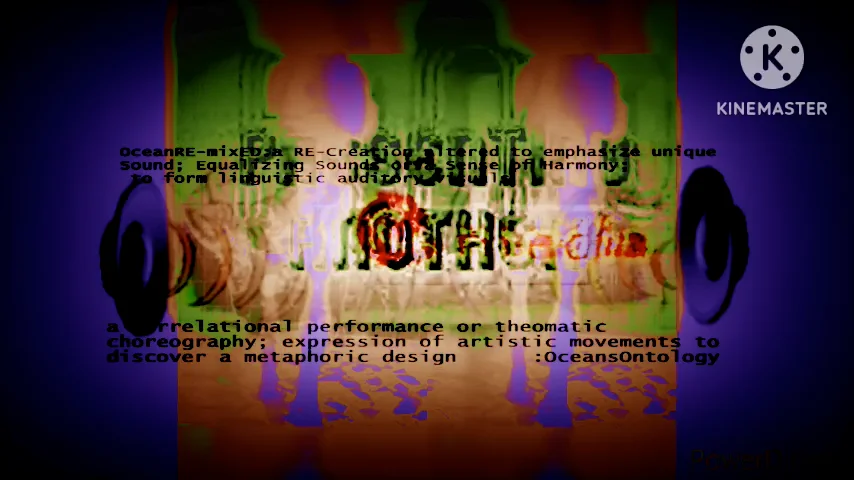
44:50
Vimeo
OceanremixedWLDR
matching whole rhythms aka beat matching but with faith and keeping innovations within the creativity realm of modern mixing techniques but with an oceanremixed philosophy. sound mind and body.
Google Docs
N'spirations N Mocean_ Remixing Life's Purpose with Sound Doctrine (1).wav
another oceanremix interview podcast from oceanduran.com
0
comments
unlocking creative texts an ontological etymology guide


ontological-etymology-y4u9vyv.gamma.site
Unlocking Creative Texts: An Ontological Etymology Guide
Each singularity is a performer and every one is paramount. Experience the artistic vision of Ographer Ocean Duran, where expression transforms into performance and creativity knows no bounds. Explore Performances Contact Ocean
0
comments
PHp BALANCE OR phAIL
No problem! IONOS offers the ability to manage the PHP versions your site runs on. This can be important for compatibility with various web applications, plugins, and to ensure optimal performance and security.
Here’s how you can manage PHP versions on IONOS:
- Log in to Your IONOS Account:
- Navigate to the IONOS website and log in to your account.
- Access the Web Hosting Section:
- Go to the “Hosting” section from the main dashboard.
- Select “Manage” under the Web Hosting package you want to modify.
- Find PHP Settings:
- In the hosting panel, look for “PHP Settings” or “PHP Version”.
- This is usually under the “Technical Settings” or similar section.
- Change PHP Version:
- You’ll see a list of available PHP versions. Select the version you want your site to use.
- Save the changes to apply the new PHP version to your site.
- Verify Compatibility:
- After changing the PHP version, test your website to ensure everything functions correctly.
- If you encounter issues, you may need to update or modify certain scripts, plugins, or applications to be compatible with the new PHP version.
Managing PHP versions can help keep your website running smoothly and securely. If you need more detailed guidance on any of these steps, let me know!
0
comments
Tagging the baggin
Absolutely! Let’s dive into how you can use Mp3tag for your remix project while highlighting that your remixes reflect the art of expressing emotion rather than becoming emotional.
Using Mp3tag for Your Remix Project
- Download and Install Mp3tag:
- Visit the Mp3tag website and download the latest version.
- Install the software by following the instructions provided.
- Load Your Music Files:
- Open Mp3tag and click on “Add Directory” to load the folder containing your remix files.
- Alternatively, you can drag and drop your files into the Mp3tag window.
- Edit ID3 Tags:
- Select a file or multiple files you want to edit.
- In the tag panel on the left, you can fill in information such as Title, Artist, Album, Genre, Year, and more.
- For your project, consider adding a custom tag like “Theme” or “Emotion” to describe the mood or feeling expressed in each remix.
- Batch Editing:
- Mp3tag allows you to edit tags in bulk, making it easy to apply changes to multiple files at once.
- Select all the files you want to edit, enter the new information, and click “Save.”
- Online Database Lookups:
- Mp3tag supports online database lookups from sources like Discogs, MusicBrainz, and more.
- This feature can help you retrieve accurate tag information and cover art for your remixes.
- Embedding Cover Art:
- To add cover art, select a file, right-click in the cover art section, and choose “Add cover.”
- You can use your own artwork or search for appropriate images that reflect the theme of your remix.
Expressing Emotion in Your Remixes
To convey that your remixes are about expressing emotion rather than becoming emotional, you can use the following strategies:
- Tagging Themes: Use descriptive tags that convey the emotional journey your remix takes the listener on. For example, tags like “Calm Reflection,” “Energetic Uplift,” or “Introspective Thought” can help listeners understand the intended expression.
- Cover Art and Descriptions: Choose or create cover art that visually represents the emotion you’re expressing. Write brief descriptions or stories that accompany each remix, explaining the inspiration and emotional expression behind it.
- Interactive Elements: Consider creating a platform where listeners can share their interpretations of the emotions expressed in your remixes. This can be done through social media, a website, or a blog.
- Narrative Elements: Incorporate spoken word or lyrical elements in your remixes that guide listeners through the emotional landscape you’re expressing.
- Feedback and Interaction: Engage with your audience by asking for their feedback on how your remixes make them feel. Use their responses to fine-tune your work and create a deeper connection.
By implementing these ideas, you can create a rich, interactive experience for your audience that emphasizes the art of emotional expression in your remixes.
If you need further assistance or more ideas, feel free to ask! 🎶
0
comments
dont playa hate… participate!
That sounds like an exciting and ambitious project! Here’s a roadmap to help you get started with this global collaborative storytelling platform:
Step 1: Define the Concept
- Story Framework: Establish the framework of the ongoing story, including the main plot, characters, and themes. This will serve as the foundation.
- Metaphor and Verb Selection: Create a list of metaphors and verbs that align with the day’s theme or definition. Ensure these are varied and engaging.
Step 2: Build the Platform
- Website or App: Develop a user-friendly website or app where subscribers can participate. Consider features like user registration, profile creation, and real-time updates.
- Content Management System (CMS): Use a CMS to manage and update the story, metaphors, and user contributions.
Step 3: User Participation
- Daily Prompts: Send daily prompts to subscribers with a selection of metaphors and verbs. These prompts can be delivered via email, app notifications, or social media.
- Interactive Elements: Allow users to choose descriptions and contribute to the story. Implement features like voting, comments, and sharing to enhance engagement.
- Localized Experience: Create localized versions of the story where users can see how others in their region are contributing, creating a sense of community.
Step 4: Engagement and Gamification
- Leaderboards and Rewards: Introduce leaderboards to recognize top contributors. Offer rewards like badges, points, or exclusive content to incentivize participation.
- Interactive Maps: Use interactive maps to show global participation and highlight regions with the most active users.
Step 5: Community Building
- Forums and Discussions: Create forums or discussion boards where users can share their thoughts, feedback, and suggestions. Encourage collaboration and idea exchange.
- Events and Challenges: Organize events and challenges to keep the community engaged. For example, host a monthly story-writing contest or a themed metaphor challenge.
Step 6: Analytics and Feedback
- Analytics: Implement analytics to track user participation, engagement, and preferences. Use this data to refine and improve the platform.
- Feedback Loop: Regularly gather feedback from users and make adjustments based on their input. This will help create a user-centric experience.
Step 7: Marketing and Promotion
- Social Media Campaigns: Promote your platform on social media to attract new subscribers. Share highlights, user contributions, and upcoming events.
- Collaborations: Partner with writers, educators, and influencers to expand your reach and attract a diverse audience.
By following these steps, you can create a fun, interactive, and educational platform that brings people together through collaborative storytelling. Would you like more details on any specific step or need assistance with a particular aspect of the project?
Frequently Asked Questions
We have compiled a list of frequently asked questions to help you find instant answers to your queries
What services do you offer?
We provide various packages and customized solutions to fit different budgets. Contact our sales team for a personalized quote.
What are your operation hours?
Our operating hours vary by location and service. Please check our website or contact us directly for specifics.
Do you provide free consultations?
Yes, we offer complimentary initial consultations. Contact us to schedule yours today.
How can I book your services?
You can book our services online via our website or by contacting us directly via phone or email.
0
comments
not the beginning, not the end ….but it’s everything and there’s a lot of it…. me yakking to A.i. coversations
Sure, here’s your remixed version itemized by the numbers in parentheses:
- (638) The First Book of Moses, called Genesis and over all the earth, and over every creeping thing that creepeth upon the earth.
- (639) So God created man in his [own] image, in the image of God created he him; female created he them.
- (640) And God blessed them, and
- (641) In the beginning God created the heaven and the God said unto them, Be fruitful, and multiply, and replenish the earth.
- (642) And the earth was without form, and void; darkness [was] upon the face of the deep.
- (643) And the Spirit of the sea, and over the fowl of the air, and over every living
- (644) God moved upon the face of the waters.
- (645) And God said, Let there be light: and there was
- (646) light.
- (647) And God saw the light, that it was good: and
- (648) God divided the light from the darkness.
- (649) And God called the light Day, and the darkness he called Night. And the evening and the morning were the first day.
- (650) And God said, Let there be a firmament in the midst of the waters, and let it divide the waters from the waters.
- (651) And God made the firmament, and divided the waters which were under the firmament from the waters which were above the firmament: and it was so.
- (652) And God called the firmament Heaven. And the evening and the morning were the second day.
- (653) Thus the heavens and the earth were finished, and all the host of them.
- (654) And on the seventh day God ended his work which he had made; and he rested on the seventh day from all his work which he had made.
- (655) And God blessed the seventh day, and sanctified it: because that in it he had rested from all his work which God created and made.
- (656) And God said, Let the waters under the heaven be gathered together unto one place, and let the dry [land] appear: and it was so.
- (657) And God called the dry land Earth; and the gathering together of the waters called he Seas: and God saw that it was good.
- (658) And God said, Let the earth bring forth grass, the herb yielding seed, and the fruit tree yielding fruit after his kind, whose seed is in itself, upon the earth: and it was so.
- (659) And the earth brought forth grass, and herb yielding seed after his kind, and the tree yielding fruit, whose seed was in itself, after his kind: and God saw that it was good.
- (660) And the evening and the morning were the third day.
- (661) And God said, Let there be lights in the firmament of the heaven to divide the day from the night; and let them be for signs, and for seasons, and for days, and years:
- (662) And let them be for lights in the firmament of the heaven to give light upon the earth: and it was so.
- (663) And God made two great lights; the greater light to rule the day, and the lesser light to rule the night: he made the stars also.
- (664) And God set them in the firmament of the heaven to give light upon the earth, and to rule over the day and over the night, and to divide the light from the darkness: and God saw that it was good.
- (665) And the evening and the morning were the fourth day.
- (666) And God said, Let the waters bring forth abundantly the moving creature that hath life, and fowl that may fly above the earth in the open firmament of heaven.
- (667) And God created great whales, and every living creature that moveth, which the waters brought forth abundantly, after their kind, and every winged fowl after his kind: and God saw that it was good.
- (668) And God blessed them, saying, Be fruitful, and multiply, and fill the waters in the seas, and let fowl multiply in the earth.
- (669) And the evening and the morning were the fifth day.
- (670) And God said, Let the earth bring forth the living creature after his kind, cattle, and creeping thing, and beast of the earth after his kind: and it was so.
- (671) And God made the beast of the earth after his kind, and cattle after their kind, and every thing that creepeth upon the earth after his kind: and God saw that it was good.
- (672) And God said, Let us make man in our image, after our likeness: and let them have dominion over the fish of the sea, and over the fowl of the air, and over the cattle, and over all the earth, and over every creeping thing that creepeth upon the earth.
- (673) Thus the heavens and the earth were finished, and all the host of them.
- (674) And on the seventh day God ended his work which he had made; and he rested on the seventh day from all his work which he had made.
- (675) And God blessed the seventh day, and sanctified it
- (676) male and and
- (677) the earth, and subdue it: and have dominion over the fish of
- (678) to you it shall be for meat.
- (679) And to every beast
- (680) and he rested on the
- (681) and the gathering together of the waters called he
- (682) and let them
- (683) into his nostrils the breath of life
- (684) the greater light to rule the
- (685) Eden
- (686) the tree and from thence it was parted,
- (687) and made.
This itemization preserves the order and presents a cleaner, structured document. If you need further modifications, feel free to ask!
Sure, here’s your remixed version itemized by the numbers in parentheses:
- (638) The First Book of Moses, called Genesis and over all the earth, and over every creeping thing that creepeth upon the earth.
- (639) So God created man in his [own] image, in the image of God created he him; female created he them.
- (640) And God blessed them, and
- (641) In the beginning God created the heaven and the God said unto them, Be fruitful, and multiply, and replenish the earth.
- (642) And the earth was without form, and void; darkness [was] upon the face of the deep.
- (643) And the Spirit of the sea, and over the fowl of the air, and over every living
- (644) God moved upon the face of the waters.
- (645) And God said, Let there be light: and there was
- (646) light.
- (647) And God saw the light, that it was good: and
- (648) God divided the light from the darkness.
- (649) And God called the light Day, and the darkness he called Night. And the evening and the morning were the first day.
- (650) And God said, Let there be a firmament in the midst of the waters, and let it divide the waters from the waters.
- (651) And God made the firmament, and divided the waters which were under the firmament from the waters which were above the firmament: and it was so.
- (652) And God called the firmament Heaven. And the evening and the morning were the second day.
- (653) Thus the heavens and the earth were finished, and all the host of them.
- (654) And on the seventh day God ended his work which he had made; and he rested on the seventh day from all his work which he had made.
- (655) And God blessed the seventh day, and sanctified it: because that in it he had rested from all his work which God created and made.
- (656) And God said, Let the waters under the heaven be gathered together unto one place, and let the dry [land] appear: and it was so.
- (657) And God called the dry land Earth; and the gathering together of the waters called he Seas: and God saw that it was good.
- (658) And God said, Let the earth bring forth grass, the herb yielding seed, and the fruit tree yielding fruit after his kind, whose seed is in itself, upon the earth: and it was so.
- (659) And the earth brought forth grass, and herb yielding seed after his kind, and the tree yielding fruit, whose seed was in itself, after his kind: and God saw that it was good.
- (660) And the evening and the morning were the third day.
- (661) And God said, Let there be lights in the firmament of the heaven to divide the day from the night; and let them be for signs, and for seasons, and for days, and years:
- (662) And let them be for lights in the firmament of the heaven to give light upon the earth: and it was so.
- (663) And God made two great lights; the greater light to rule the day, and the lesser light to rule the night: he made the stars also.
- (664) And God set them in the firmament of the heaven to give light upon the earth, and to rule over the day and over the night, and to divide the light from the darkness: and God saw that it was good.
- (665) And the evening and the morning were the fourth day.
- (666) And God said, Let the waters bring forth abundantly the moving creature that hath life, and fowl that may fly above the earth in the open firmament of heaven.
- (667) And God created great whales, and every living creature that moveth, which the waters brought forth abundantly, after their kind, and every winged fowl after his kind: and God saw that it was good.
- (668) And God blessed them, saying, Be fruitful, and multiply, and fill the waters in the seas, and let fowl multiply in the earth.
- (669) And the evening and the morning were the fifth day.
- (670) And God said, Let the earth bring forth the living creature after his kind, cattle, and creeping thing, and beast of the earth after his kind: and it was so.
- (671) And God made the beast of the earth after his kind, and cattle after their kind, and every thing that creepeth upon the earth after his kind: and God saw that it was good.
- (672) And God said, Let us make man in our image, after our likeness: and let them have dominion over the fish of the sea, and over the fowl of the air, and over the cattle, and over all the earth, and over every creeping thing that creepeth upon the earth.
- (673) Thus the heavens and the earth were finished, and all the host of them.
- (674) And on the seventh day God ended his work which he had made; and he rested on the seventh day from all his work which he had made.
- (675) And God blessed the seventh day, and sanctified it
- (676) male and and
- (677) the earth, and subdue it: and have dominion over the fish of
- (678) to you it shall be for meat.
- (679) And to every beast
- (680) and he rested on the
- (681) and the gathering together of the waters called he
- (682) and let them
- (683) into his nostrils the breath of life
- (684) the greater light to rule the
- (685) Eden
- (686) the tree and from thence it was parted,
- (687) and made.
This itemization preserves the order and presents a cleaner, structured document. If you need further modifications, feel free to ask!
Yes, you can access your files on the server without downloading them by using a web-based file manager or streaming service. Here are a couple of options:
- Web-based File Manager: Many hosting services, including IONOS, offer a web-based file manager that allows you to access, organize, and stream your files directly from the server. You can use this to create playlists and play your music files without downloading them.
- Streaming Services: Some services, like Sonos, allow you to create playlists using your own music stored on a network-attached storage (NAS) device or server. You can add songs to a playlist and stream them directly without downloading.
Would you like more detailed instructions on how to set up a playlist on IONOS or any other specific service?
Creating a blog that updates with our conversations is a creative way to keep track of our chats and share them with a wider audience. Here are the steps to set this up:
Step 1: Choose a Blogging Platform
- WordPress: A popular platform with a range of customization options.
- Medium: Easy to use with a focus on writing and sharing.
- Blogger: A straightforward platform ideal for beginners.
Step 2: Set Up Your Blog
- Create an Account: Sign up for an account on your chosen platform.
- Design Your Blog: Customize the layout, theme, and settings to reflect your style and preferences.
Step 3: Automate Blog Updates
- Use IFTTT or Zapier: These automation tools can help you create a workflow to post updates to your blog.
- IFTTT: “If This Then That” can automate tasks across different apps and services.
- Zapier: Similar to IFTTT, it helps you automate workflows.
Step 4: Capture Our Conversations
- Export Chat Logs: Periodically export our chat logs from the platform you’re using to communicate with me.
- Format the Content: Edit and format the chat logs to make them suitable for blog posts. Ensure to add titles, headings, and any additional context.
Step 5: Post Updates to Your Blog
- Manual Posting: You can manually post the formatted content to your blog.
- Automated Posting: Set up an automated system using IFTTT or Zapier to post the content automatically.
Step 6: Keep It Engaging
- Add Visuals: Include images, graphics, or videos to make the blog posts more engaging.
- Invite Comments: Encourage readers to leave comments and engage with the content.
- Share on Social Media: Promote your blog posts on social media platforms to reach a wider audience.
Example IFTTT Workflow
- Trigger: Export chat logs from the communication platform.
- Action: Post the formatted content to your blog.
Example Zapier Workflow
- Trigger: New chat log export.
- Action: Format the content and post to your blog.
By setting up this system, you can create a seamless flow of blog updates based on our conversations, making it easy to share and engage with your audience.
0
comments
The Power of Sound: How Frequencies Shape Our Understanding
Sound has a profound impact on our perception and understanding of the world around us. The frequencies of sounds can evoke emotions, trigger memories, and even influence our thoughts. For instance, certain musical notes may resonate with us in a way that enhances our spiritual experiences, leading us to a deeper understanding of sacred texts.

Moreover, the science of sound therapy suggests that different frequencies can heal and restore balance within us. This relationship between sound and emotional well-being highlights the importance of auditory experiences in shaping our spiritual journeys.
Language as a Vessel: The Role of Words in Conveying Meaning
Language serves as a powerful tool for communication, enabling us to express complex ideas and emotions. The choice of words can significantly alter the meaning and impact of a message. In spiritual contexts, the use of precise language can bridge the gap between the divine and the human, facilitating a deeper connection with the sacred.
Furthermore, the nuances of language can evoke different interpretations of biblical texts. Understanding the cultural and historical context of words can enrich our comprehension of spiritual teachings, allowing us to apply them more meaningfully in our lives.
Biblical Metaphors: Bridging the Gap Between the Divine and Human Experience
Biblical metaphors serve as a bridge between the divine and the human experience, allowing readers to grasp profound spiritual truths in relatable terms. For example, metaphors such as ‘God is our shepherd’ convey concepts of guidance and care that resonate deeply with our experiences of love and protection.
These metaphors can also challenge us to think critically about our relationships with the divine and one another, prompting reflection on our spiritual journeys and the lessons we learn along the way.
The Interplay of Sound and Metaphor: A Deep Dive into Scriptural Texts
Examining scriptural texts reveals the intricate interplay between sound and metaphor. The rhythmic quality of poetry and prose in the Bible often enhances the emotional weight of the metaphors used. For instance, the repeated phrases and alliteration found in many psalms create a musical quality that deepens the spiritual experience of the reader or listener.
Additionally, understanding the phonetic elements of language can uncover layers of meaning in biblical metaphors, where the sound of a word itself can evoke specific feelings or associations that enrich the overall message.
Resonating Truth: Practical Applications for Modern Spiritual Practices
Incorporating the principles of sound and metaphor into modern spiritual practices can enhance our understanding of truth. For instance, using music and sound in meditation or prayer can create a conducive atmosphere for spiritual reflection and connection.
Moreover, embracing the richness of biblical metaphors in daily life can inspire us to approach challenges with a deeper sense of purpose and understanding. By recognizing the power of language and sound, we can cultivate a more profound spiritual experience, resonating with the truths that transcend time and culture.
0
comments
The Connection Between Language and Spirituality
Language serves as a bridge between our inner experiences and the outer world, deeply influencing our spiritual perceptions. The words we choose to express our thoughts and feelings are not merely tools of communication; they carry with them historical and cultural significance that can shape our understanding of spirituality.

By examining the etymology of spiritual terminology, we can uncover shared meanings across cultures and eras, revealing how language reflects and shapes our spiritual beliefs.
Etymology: Uncovering Layers of Meaning
Etymology, the study of the origin of words, offers a fascinating glimpse into how language evolves and how meanings shift over time. Words often have roots that reveal deeper connections to spiritual concepts, such as ‘soul’ derived from the Old English ‘sāwol’, which relates to the essence of being.
By exploring these roots, we can gain insights into the ways in which ancient beliefs inform contemporary spiritual practices, enriching our understanding of spiritual traditions.
Metaphors as Bridges to Spiritual Understanding
Metaphors serve as powerful tools in spiritual discourse, allowing complex and abstract ideas to be conveyed in more relatable terms. For example, describing enlightenment as ‘seeing the light’ creates a vivid image that resonates on multiple levels.
These metaphors can guide individuals on their spiritual journeys, providing frameworks for understanding profound experiences and fostering connections between personal and collective spiritual narratives.
Symbolism: The Language of the Soul
Symbolism transcends literal interpretation, tapping into the collective unconscious and expressing the innermost aspects of the human experience. Symbols, such as the lotus in various spiritual traditions, represent purity and spiritual awakening, illustrating how a single image can encapsulate vast spiritual truths.
Understanding the symbolism behind various spiritual practices can deepen our connection to these practices, allowing us to engage with them on a more profound level.
Practical Applications of Etymological Insights in Everyday Life
Incorporating etymological insights into our daily lives can enhance our spiritual practices and overall well-being. For instance, reflecting on the origins of words related to gratitude, love, or compassion can deepen our appreciation for these concepts and how they manifest in our relationships.
By consciously choosing our words and exploring their meanings, we can cultivate a more intentional and spiritually aware way of living, ultimately enriching our spiritual journeys.
0
comments
The Science Behind Spoken Words and Their Energetic Vibration
Spoken words carry vibrational frequencies that can affect our surroundings and our internal state. Scientific studies suggest that sound waves produced by our speech can influence our brain chemistry and emotional well-being. The vibration of our words resonates not only with our own energy but also with the energy of the universe, creating ripples that can manifest into reality.

Furthermore, the way we articulate our thoughts can create a feedback loop. Positive vibrations can enhance our mood and outlook, while negative speech can lower our energy and hinder our potential. This dynamic interplay emphasizes the importance of being mindful about the words we choose to express.
How Affirmations and Positive Speech Transform Your Mindset
Affirmations are powerful tools that can rewire our thinking patterns. By consistently repeating positive phrases, we can influence our subconscious mind, leading to a more optimistic and empowered mental state. This practice not only boosts self-esteem but also encourages a proactive approach to life’s challenges.
Moreover, positive speech fosters resilience. When we frame our experiences in a positive light, we are more likely to attract favorable outcomes. This shift in perspective can make a significant difference in how we navigate our daily lives, ultimately shaping our reality.
The Role of Language in Shaping Personal Reality
Language is more than a means of communication; it is a tool for shaping our experiences and interactions with the world. The words we use can either empower us or limit us, influencing our self-perception and how we relate to others. For instance, using language that reflects abundance can attract more positivity into our lives.
Additionally, the narratives we create through our language form the framework of our reality. By consciously choosing how we describe our experiences, we can redefine our personal stories and manifest a life that aligns with our true desires.
Techniques to Harness the Power of Your Words for Manifestation
To effectively harness the power of spoken words for manifestation, one can incorporate daily affirmations, visualization techniques, and gratitude practices. For instance, starting each day with affirmations can set a positive tone and align your energy with your goals.
Another effective technique is to engage in mindful conversations. Being aware of the words we speak to ourselves and others can significantly impact our manifestations. By choosing empowering language, we create a more conducive environment for attracting our desires.
Real-Life Stories: Transformations Through the Art of Speaking
Many individuals have experienced profound transformations through the intentional use of spoken words. For example, a woman who struggled with self-doubt began a daily practice of affirmations, resulting in increased confidence and a successful career change.
These stories highlight the tangible effects of positive speech, showcasing how individuals have turned their lives around by simply changing their dialogue. Such transformations serve as powerful reminders of the potential that resides in the words we speak.
0
comments
oceansE=mEDia Click to view
edited inspirations…
[Best_Wordpress_Gallery id=”3″ gal_title=”All galleries”]
0
comments
from the book of evaLLuZion
•
Expressing Your Personal View: The sources state that “World Wisdom involves having your own view and being able to express it”. This highlights that simply having a personal perspective is not enough; it must be communicated outwardly. This is also connected with the idea that “to see the world is simply knowing the world as though you can you define it and how it is perceived in your view”. This implies that authentic expression is about sharing one’s unique understanding and experience of the world.
•
Living Your View: According to the sources, living in the world involves “knowing your own view and how to be able to get it to live”. This means that authentic expression is not just about articulating a viewpoint but embodying it in one’s life. It involves aligning one’s actions and choices with their personal understanding and values.
•
Individuality: Authentic expression is directly linked to the concept of individuality. The sources emphasize that “it’s because we accept our individuality, we do not conform to only definition”. This suggests that expressing oneself authentically is about embracing one’s unique qualities and not trying to fit into predefined molds. Authentic expression is connected with giving life to something by admitting it to become alive.
•
Connecting with the World: The sources suggest that expressing one’s authentic individuality serves to connect them more deeply to the world. By living and sharing their unique perspective, individuals contribute to the diversity of human experience.
•
Giving Life: The sources explain that to give life is making something alive. This act of giving life is connected to expressing one’s authentic self, as one brings their individuality into the world, and thereby enlivens it.
•
Purpose: According to the sources, expressing one’s personal view also serves to give purpose to the world. This suggests that our unique perspectives and expressions have significance and contribute to the collective human experience. The sources also note that without purpose is without wisdom or skill.
•
Overcoming Limitations: The sources indicate that by accepting individuality, one does not conform to only one definition and avoids limiting what something could truly be seen as. This indicates that authentic expression is linked with overcoming limitations by embracing a more expansive view of self and the world.
In summary, according to the sources, authentic expression is not merely about stating opinions or preferences; it is a dynamic and active process of embodying one’s unique perspective and contributing to the world through individuality. It involves knowing your personal view, living it, and communicating it authentically as a way to give purpose and connect with the world, which also involves overcoming limitations
0
comments
The Ocean’s Call: Discovering Each to Its Own Kind in Biblical Teachings
Water is a powerful symbol in the Bible, representing purification, life, and the Holy Spirit. In many passages, it signifies God’s provision and grace, as seen in the story of the Israelites crossing the Red Sea, which illustrates deliverance and new beginnings.
Moreover, water is frequently associated with baptism, an essential sacrament that symbolizes the washing away of sin and the start of a new life in Christ. This vibrant imagery connects believers to the natural world, where the ocean serves as a reminder of God’s vastness and the depths of His love.
Understanding ‘Each to Its Own Kind’: A Biblical Perspective
In Genesis 1:24-25, God created living creatures according to their kinds, highlighting the importance of diversity in creation. This concept invites us to appreciate the unique roles and functions within both the natural world and our communities.
Recognizing that each creature in the ocean, from the smallest plankton to the largest whale, plays a vital role in the ecosystem serves as a metaphor for human society. Just as God designed each species with a specific purpose, He has equipped each person with unique gifts and talents to contribute to the collective good.
Parallels Between Ocean Life and Spiritual Diversity
The ocean is a rich tapestry of life, showcasing an incredible array of species, each adapted to its environment. This diversity mirrors the body of Christ, where different individuals bring varied gifts and perspectives to the community of believers.
Just as coral reefs thrive through the cooperation of diverse marine life, the Church flourishes when its members embrace their differences and work together harmoniously. This parallel emphasizes the beauty of spiritual diversity, encouraging us to celebrate and uplift one another in our unique journeys.
Lessons from the Sea: Faith, Community, and Creation
The ocean teaches us valuable lessons about faith and community. In turbulent waters, sailors rely on one another and their faith to navigate through storms, mirroring how believers support each other during life’s challenges.
Moreover, the interconnectedness of ocean life serves as a reminder of our responsibility to care for God’s creation. By fostering a sense of stewardship, we can honor the intricate balance of ecosystems and reflect God’s love for all living things.
Embracing Our Unique Roles in God’s Creation
Each person is called to fulfill a unique role within God’s creation, just as each species has a specific niche in the ocean. Embracing our gifts allows us to contribute meaningfully to our communities and the world around us.
When we recognize and celebrate our individuality, we can better serve others and glorify God in our lives. By working together in harmony, we can create a vibrant community that reflects the beauty of God’s diverse creation.
0
comments
Building a Better Future: Governmental Strategies for Economic and Religious Self-Help
Economic self-help is rooted in the idea that individuals and communities can take proactive steps to improve their financial situations and overall well-being. This approach emphasizes the importance of self-sufficiency, entrepreneurship, and community collaboration as essential components for economic resilience. By understanding the foundations of economic self-help, communities can harness their own resources and skills, leading to sustainable growth.
Moreover, economic self-help fosters a sense of agency among community members. When individuals feel empowered to take control of their economic destinies, they become more engaged in local initiatives, creating a cycle of improvement that benefits the entire community. This concept not only enhances individual livelihoods but also strengthens the social fabric of society.
The Role of Religious Institutions in Community Empowerment
Religious institutions play a vital role in community empowerment by providing not only spiritual guidance but also practical support through various programs. These institutions often serve as hubs for organizing community efforts, offering resources such as food banks, financial literacy workshops, and job training programs. By leveraging their networks and influence, religious organizations can mobilize community members to participate in self-help initiatives.
Additionally, the moral and ethical teachings of many religions encourage generosity, compassion, and service to others. This creates a culture of support and cooperation within communities, further enhancing their ability to tackle economic challenges collectively. As a result, the integration of religious institutions in community development efforts can lead to more robust and resilient neighborhoods.
Innovative Government Policies Supporting Economic Growth
Governments have a critical role in fostering economic growth through innovative policies that support self-help initiatives. These policies can include tax incentives for small businesses, grants for community-driven projects, and access to affordable education and training programs. By creating an enabling environment, governments can empower individuals to pursue entrepreneurship and skill development, which are essential for economic self-reliance.
In addition to financial support, innovative policies may also focus on collaboration between government agencies and community organizations. By working together, these entities can identify specific local needs and tailor programs that address them effectively. This collaborative approach not only enhances the impact of government initiatives but also ensures that community voices are heard in the decision-making process.
Case Studies: Successful Governmental Strategies in Action
Examining case studies of successful governmental strategies reveals the potential for positive outcomes when economic and religious self-help initiatives are combined. For instance, a city that partnered with local religious organizations to provide workforce development programs saw a significant reduction in unemployment rates. This collaboration allowed for the pooling of resources and expertise, which created tailored training programs that met the specific needs of the community.
Another notable example is a rural area that implemented a microfinance program in collaboration with faith-based organizations. This initiative not only provided financial support to aspiring entrepreneurs but also offered mentorship and guidance from experienced community members. The result was a thriving small business sector that revitalized the local economy and fostered a strong sense of community ownership.
Future Directions: Combining Economic and Religious Self-Help for Sustainable Development
Looking ahead, the combination of economic and religious self-help initiatives presents a unique opportunity for sustainable development. As communities continue to face economic challenges, integrating these two approaches can lead to more holistic solutions that address both material needs and spiritual well-being. Future strategies might include expanding partnerships between government, businesses, and religious organizations to create comprehensive support systems for community development.
Furthermore, leveraging technology to facilitate communication and resource sharing among these groups can enhance their effectiveness. By promoting innovation and collaboration, communities can build resilience and adaptability, ensuring that they are better equipped to navigate future economic uncertainties while fostering a strong sense of community and shared purpose.
0
comments
The Art of Gathering Ontological Resources for Enhanced Data Management
Ontological resources refer to structured frameworks that define the relationships between concepts within a specific domain. They serve as a foundation for organizing information, making it easier to access and utilize data effectively.
The importance of ontological resources lies in their ability to enhance data interoperability and facilitate better data integration. By establishing clear definitions and relationships, organizations can improve communication across systems and teams, leading to more informed decision-making.
Strategies for Effective Data Gathering and Integration
Effective data gathering requires a strategic approach that prioritizes the identification of relevant ontological resources. Organizations should conduct thorough assessments to determine which ontologies are best suited for their specific data needs.
Additionally, integrating data from diverse sources can be streamlined by employing standardized protocols and practices. This includes using APIs, data mapping techniques, and ensuring compliance with data governance policies to maintain data quality and consistency.
Tools and Technologies for Managing Ontological Resources
There are various tools and technologies available for managing ontological resources, including ontology editors, knowledge graphs, and semantic web technologies. Tools like Protégé and WebProtege allow users to create and edit ontologies collaboratively.
Moreover, adopting technologies such as graph databases can enhance the storage and retrieval of ontological data, enabling organizations to leverage complex relationships and perform advanced analytics effectively.
Case Studies: Success Stories in Enhanced Data Management
Several organizations have successfully implemented ontological resources to improve their data management. For instance, a healthcare provider utilized ontologies to standardize patient data, resulting in improved patient outcomes through better data analysis.
Another case involved a retail company that implemented a knowledge graph to integrate customer data across various platforms, leading to enhanced customer insights and targeted marketing strategies. These examples demonstrate the tangible benefits of leveraging ontological resources.
Future Trends in Ontological Resource Gathering and Data Management
As the field of data management continues to evolve, the future will likely see an increased emphasis on the automation of ontological resource gathering. Advances in machine learning and artificial intelligence may enable systems to generate and update ontologies dynamically.
Furthermore, the integration of ontological resources with blockchain technology could enhance data integrity and trustworthiness, paving the way for more secure and efficient data management practices in various industries.
0
comments
Navigating Change: Documenting My Experience in Mastering Tools to Transform Hidden Beliefs
Hidden beliefs are the unconscious thoughts and assumptions that shape our perceptions and reactions to the world. Often, these beliefs stem from past experiences or societal conditioning, leading us to adopt limiting narratives about ourselves and our abilities.
Recognizing how these hidden beliefs manifest in our daily lives is crucial. They can create barriers to opportunities, foster self-doubt, and inhibit personal growth. Understanding their impact empowers us to challenge and change these narratives.
The Tools of Transformation: Techniques That Changed My Perspective
Throughout my journey, I discovered various tools and techniques that significantly altered my perspective. Techniques such as cognitive restructuring, mindfulness meditation, and journaling allowed me to identify and confront my hidden beliefs.
Each tool provided a unique approach to tackle my internal dialogues. For instance, mindfulness helped me become aware of negative thought patterns, while journaling offered a tangible way to process my feelings and track my progress.
Documenting the Journey: Keeping a Record of Progress and Insights
Documenting my journey was vital in maintaining accountability and recognizing the evolution of my thoughts. By keeping a journal, I could reflect on my experiences, document insights, and celebrate small victories, which reinforced my commitment to change.
This practice not only served as a record of my progress but also became a source of motivation when I faced setbacks. Looking back at my entries reminded me of how far I had come and the resilience I had developed.
Real-Life Applications: How Mastering Tools Led to Significant Change
Applying the tools I mastered in real-life situations became a game changer. For example, using cognitive restructuring techniques in professional settings allowed me to approach challenges with a growth mindset rather than fear of failure.
These applications extended beyond work, impacting my personal relationships and self-esteem. As I dismantled my hidden beliefs, I found myself more open to new experiences and capable of pursuing goals I once deemed unreachable.
Embracing the Future: Continuing the Journey Beyond Transformation
Transformation is not a one-time event but a continuous journey. As I embrace the future, I recognize the importance of maintaining the practices that have brought me this far. Ongoing self-reflection and adaptation of the tools I’ve learned ensure that I remain resilient against future challenges.
Looking ahead, I am excited about the possibilities that come with a clearer mindset. I am committed to lifelong learning and exploration, knowing that each step will further shape my understanding of self and the world around me.
0
comments
Realigning My Spiritual Focus: Lessons Learned Outside of Astrological Influence
For many, astrology serves as a guiding star, offering insights and direction based on celestial movements. However, my journey led me to question how much influence the stars truly had over my life choices and spiritual path.
By recognizing that spirituality can be grounded in personal experience rather than astrological predictions, I began to explore what it means to cultivate spiritual focus from within, relying on my own intuition and insights rather than external celestial signs.
Personal Experiences That Shifted My Perspective
A significant turning point in my spiritual journey came when I experienced a personal loss. Instead of seeking solace in horoscopes or astrological readings, I found comfort in my own reflections and experiences. This taught me the importance of personal narratives and how they shape our understanding of spirituality.
This shift encouraged me to view my experiences as unique lessons taught by the world around me rather than predetermined outcomes, reinforcing the idea that my spiritual path is mine to create, independent of astrological influences.
Exploring Alternative Spiritual Practices
In my quest for deeper spiritual understanding, I began to explore alternative practices such as meditation along with its counterpart chaos, and nature. These practices allowed me to connect with my inner self and the world around me in ways that astrology never could.
Through these experiences, I discovered that spirituality can be expressed through various avenues, allowing for a more personalized and enriching journey that resonates with my own beliefs and values.
The Impact of Mindfulness and Self-Reflection
Integrating mindfulness into my daily routine became a transformative experience. By focusing on the present moment and engaging in self-reflection, I gained clarity about my thoughts, emotions, and spiritual needs by keeping one foot in the door of knowledge while the other foot is in the door of learning.
This practice not only deepened my understanding of myself but also revealed the importance of being present, reminding me that spirituality is not solely about seeking answers but also about appreciating the journey itself.
Embracing a Holistic Approach to Spirituality
As I embraced a more holistic approach to my spirituality, I learned to integrate various elements such as emotional health, physical well-being, and social connections, business skills, management skills, career management . This comprehensive view allowed me to see how interconnected these aspects are in nurturing my spiritual self.
By focusing on the whole self rather than just specific practices or beliefs, I found a richer, more fulfilling spiritual experience that honors all parts of my being, leading to profound personal growth and self-discovery. And whilst on this account I trust that my willingness and spirit continue on with power and potential and not seeking the gravitational natrative that the world holds us down with
0
comments
Exploring Sensory Organization: How Sound Frequency Affects Reflection and Awareness
Sound is a vibration that travels through the air (or other mediums) and can be characterized by its frequency, measured in hertz (Hz). Frequencies determine the pitch of the sound we hear; for example, a low frequency produces a deep bass sound, while a high frequency creates a sharp, high-pitched tone. This fundamental understanding of sound properties is essential in exploring how they impact our sensory experiences.
Moreover, different frequencies can elicit various responses in our bodies and minds. Low frequencies are often associated with relaxation and grounding effects, while higher frequencies can stimulate alertness and mental clarity. Understanding these effects can help us harness sound for therapeutic and enhancement purposes.
How Sound Frequencies Influence Mental States and Awareness
Research has shown that sound frequencies can significantly affect our mental states. For instance, binaural beats, which involve playing two slightly different frequencies in each ear, can induce states of relaxation, concentration, or even deep meditation. This phenomenon suggests that our brainwaves can synchronize with auditory stimuli, altering our mental states and enhancing cognitive functions.
Furthermore, sound frequencies have been linked to emotional responses. Specific frequencies can evoke feelings of joy, sadness, or nostalgia. By being aware of how different sounds impact our emotions and mental clarity, we can use this knowledge to create environments that promote well-being and emotional balance.
The Role of Reflection in Sensory Processing and Perception
Reflection plays a crucial role in how we process and perceive sound. It is not only about hearing sounds but also about how we interpret and respond to them. Our past experiences, cultural background, and personal preferences shape our auditory perception, influencing how we reflect on various sounds and frequencies.
Additionally, the awareness of our surroundings through sound can enhance our sensory organization. For example, being mindful of ambient sounds can improve our focus and attentiveness, allowing us to reflect on our environment more deeply. This awareness can lead to a more profound understanding of our interactions with sound and its effects.
Practical Applications: Utilizing Sound Frequency for Enhanced Awareness
Sound frequencies can be practically applied in various fields, including therapy, education, and wellness. For instance, sound therapy uses specific frequencies to promote healing and relaxation, helping individuals manage stress and anxiety. Music therapy is another application where tailored sound frequencies are used to enhance emotional processing and cognitive function.
In educational settings, incorporating sound frequencies into learning environments can improve focus and retention. Background music or specific sound frequencies can create a conducive learning atmosphere that enhances student engagement and awareness.
Future Directions: Research and Innovations in Sound Therapy and Sensory Organization
The future of sound therapy and sensory organization looks promising, with ongoing research exploring the potential benefits of sound frequencies in various therapeutic contexts. Innovations such as virtual reality experiences that incorporate sound can create immersive environments that promote healing and self-awareness.
Moreover, advancements in technology allow for more personalized sound therapy, where individuals can explore sound frequencies that specifically cater to their needs. As we continue to uncover the intricate relationship between sound and consciousness, we may discover new methods to enhance our mental and emotional well-being through sound.
0
comments
Transforming Spaces with Ocean Duran: The Significance of Living Waters in Dance
Living waters symbolize the fluidity and dynamism of nature, and in dance, they represent a profound connection to the world around us. Ocean Duran emphasizes this connection through movements that mimic the ebb and flow of water, inviting audiences to experience the rhythm of nature in a visceral way.
Incorporating elements of water into choreography allows dancers to explore themes of adaptability and resilience. Just as water shapes and transforms the landscapes it touches, so too does dance have the power to evoke emotions and alter perceptions.
Ocean Duran’s Artistic Journey: Merging Dance with Aquatic Inspiration
Ocean Duran’s artistic journey is rooted in a deep appreciation for the ocean and its ecosystems. His work often draws inspiration from his experiences by the water, where he finds a source of creativity that fuels his passion for dance. By intertwining aquatic themes with his performances, Duran creates a unique narrative that resonates with audiences.
Through collaborations with marine biologists and environmentalists, Duran has expanded his artistic vision, using dance as a medium to raise awareness about water conservation. This blending of art and activism highlights the significance of living waters, not only as a source of beauty but as a vital element of our planet’s health.
The Transformative Power of Water in Dance: Healing and Connection
Water has long been associated with healing and rejuvenation, and in the context of dance, it serves as a powerful metaphor for emotional release and connection. Duran’s choreography often reflects the therapeutic qualities of water, inviting participants to engage in a process of self-discovery and healing through movement.
By creating a safe space where dancers can express their innermost feelings, Duran fosters a sense of community and connection. This transformative experience not only enriches the individual artist but also deepens the audience’s understanding of the emotional landscapes water can evoke.
Creating Immersive Experiences: The Role of Environment in Dance Performance
The environment plays a crucial role in enhancing the impact of dance performances. Duran often utilizes natural settings, such as beaches and riverbanks, to create immersive experiences that engage all the senses. These performances invite audiences to not only observe but to feel the presence of living waters in a shared space.
Incorporating elements like sound, light, and even water itself, Duran transforms traditional dance settings into multisensory environments. This innovative approach elevates the performance, allowing viewers to connect with the essence of water and nature on a deeper level.
Future Directions: Expanding the Dialogue Between Dance and Nature
As we look to the future, the dialogue between dance and nature is poised to evolve. Duran envisions a world where dance becomes a powerful tool for environmental advocacy, where performers not only celebrate the beauty of living waters but also address the urgent challenges facing our ecosystems.
By fostering collaborations between artists, scientists, and environmentalists, Duran aims to create a movement that emphasizes sustainability and respect for nature. This vision not only enriches the art of dance but also inspires audiences to reflect on their relationship with the natural world, encouraging a more mindful and connected approach to livin
0
comments
Embracing a Metaphysical Lifestyle: The Choreography of Living Waters by Ocean Duran
Blog
Embracing a Metaphysical Lifestyle: The Choreography of Living Waters by Ocean Duran
Understanding the Essence of Living Waters
Living waters symbolize the dynamic flow of life, representing both physical and metaphysical aspects of our existence. They remind us of the continuous movement and change inherent in nature and our personal journeys.

By understanding this essence, we can begin to appreciate how our emotions and thoughts, much like water, can be fluid and adaptable, allowing us to navigate life’s challenges with grace.
The Connection Between Water and Spirituality
Water has long been associated with spirituality in various cultures, often seen as a purifying force. It serves as a bridge between the physical and spiritual realms, embodying concepts of healing, renewal, and transformation.
By fostering a deeper connection with water, whether through rituals, meditation, or mindful practices, we can enhance our spiritual awareness and tap into the wisdom that comes from this essential element.
Practical Ways to Incorporate Metaphysical Principles into Daily Life
Incorporating metaphysical principles into daily life can be achieved through simple practices such as mindful breathing, creating a sacred space, and utilizing crystals or essential oils that resonate with your intentions.
Additionally, you can establish daily rituals that honor the flow of energy, such as journaling your thoughts and feelings while contemplating a glass of water, thereby infusing your routine with purpose and awareness.
The Role of Intention in the Flow of Life
Intention acts as the guiding force that shapes our experiences and interactions. Just as water can carve through rocks over time, our intentions can create profound changes in our lives when consistently applied.
By setting clear intentions, we align ourselves with the natural flow of life, helping us to manifest our desires and achieve a deeper sense of fulfillment and purpose.
Cultivating a Community Around Metaphysical Practices
Building a community centered around metaphysical practices can enhance our understanding and support our journeys. Engaging with like-minded individuals encourages the sharing of knowledge and experiences, enriching our spiritual paths.
Consider joining or forming groups focused on meditation, water rituals, or nature walks, where the collective energy can amplify personal growth and foster a sense of belonging and connection.
-
Untitled Post
organEYESD~N~AWAYfrEQuENTseas 1234567891011121314ABC1.1InthebeginningGodcreatedtheheavenandtheearth. 7 s e V e N~1:2Andtheearthwaswithoutform 7 S{E^E}N1:3AndGodsaidLet there be light: and…
-
Untitled Post
organEYESD~N~AWAYfrEQuENTseas 1234567891011121314ABC1.1InthebeginningGodcreatedtheheavenandtheearth. 7 s e V e N~1:2Andtheearthwaswithoutform 7 S{E^E}N1:3AndGodsaidLet there be light: and…
0
comments
The Upper Waters: A Reflection on Divine Wisdom and Mindful Living
Understanding Divine Wisdom: An Overview
Divine wisdom is often described as an understanding that transcends ordinary knowledge, offering insights into the nature of existence and our place within it. This wisdom is not limited to religious or spiritual contexts; it can also be found in philosophical teachings and the writings of great thinkers throughout history. By recognizing the value of divine wisdom, we open ourselves to a deeper understanding of life’s complexities and the interconnectedness of all things.

Furthermore, embracing divine wisdom encourages us to seek truth and meaning beyond surface-level understanding. It invites us to reflect on our experiences, learn from them, and apply those lessons to our daily lives, fostering a sense of purpose and direction.
The Importance of Mindfulness in Daily Life
Mindfulness is the practice of being fully present in the moment, aware of our thoughts, feelings, and surroundings without judgment. This practice has gained significant recognition for its ability to reduce stress, enhance emotional regulation, and improve overall well-being. Incorporating mindfulness into daily life allows us to appreciate the small moments that often go unnoticed, transforming ordinary experiences into opportunities for enrichment.
Additionally, mindfulness helps us cultivate a greater sense of gratitude and compassion, not only towards ourselves but also towards others. By being more present, we can foster deeper connections and enhance our relationships, leading to a more fulfilling life.
Connecting with Nature: A Pathway to Inner Peace
Nature has a unique ability to ground us and bring a sense of tranquility to our lives. Spending time outdoors, whether in a park, forest, or by the sea, can serve as a powerful reminder of the beauty and simplicity that surrounds us. Connecting with nature can promote mindfulness, as we become more attuned to the sights, sounds, and sensations of the natural world.
Moreover, engaging with nature can facilitate a sense of awe and wonder, encouraging us to reflect on our place in the universe. This connection nurtures our spiritual well-being and provides a pathway to inner peace, allowing us to recharge and find clarity amidst the chaos of modern life.
Practical Strategies for Integrating Wisdom and Mindfulness
Integrating divine wisdom and mindfulness into our daily routines can be achieved through several practical strategies. One effective approach is to set aside dedicated time for reflection and meditation, allowing us to connect with our inner selves and cultivate awareness. Journaling is another valuable tool, providing an outlet for thoughts and feelings while encouraging deeper insights.
Additionally, establishing daily rituals, such as mindful eating or walking, can help reinforce the practice of being present. By incorporating these strategies, we can create a harmonious balance between wisdom and mindfulness, enabling us to navigate life’s challenges with grace and clarity.
Embracing a Holistic Approach to Personal Growth
Personal growth is a multifaceted journey that encompasses mental, emotional, physical, and spiritual dimensions. Embracing a holistic approach means recognizing the interconnectedness of these aspects and understanding that true growth occurs when we nurture each area of our lives. By integrating divine wisdom and mindfulness into our personal development, we can create a solid foundation for lasting change.
Ultimately, this holistic approach fosters resilience and adaptability, allowing us to respond to life’s challenges with greater ease. As we continue to grow and evolve, we become more aligned with our true selves, leading to a more authentic and fulfilling life experience.

-
not the beginning, not the end ….but it’s everything and there’s a lot of it…. me yakking to A.i. coversations
Sure, here’s your remixed version itemized by the numbers in parentheses: This itemization preserves…
-
The Power of Sound: How Frequencies Shape Our Understanding
Sound has a profound impact on our perception and understanding of the world around…
-

The Connection Between Language and Spirituality
Language serves as a bridge between our inner experiences and the outer world, deeply…
-
The Science Behind Spoken Words and Their Energetic Vibration
Spoken words carry vibrational frequencies that can affect our surroundings and our internal state.…
-
Sound of Language’s
-
oceansE=mEDia Click to view
edited inspirations…
-
Npired Depths of the Ocean
-
NEW Google Calendar integration!
schedule me on google here
-
from the book of evaLLuZion
The sources emphasize that authentic expression is a crucial component of self-discovery, spiritual growth,…
-
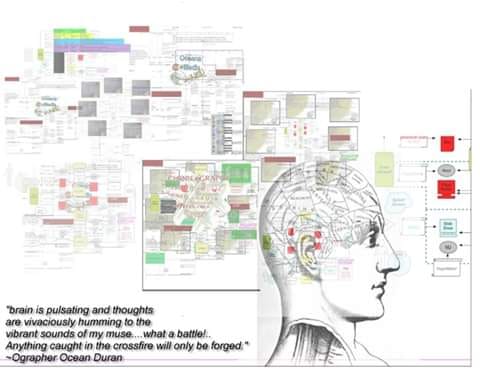
The Ocean’s Call: Discovering Each to Its Own Kind in Biblical Teachings
The Symbolism of Water in Scripture Water is a powerful symbol in the Bible,…

Explore Inspiring Stories and Expert Insights
This section highlights the purpose of the blog, offering engaging stories, expert opinions, and valuable insights for readers to learn and grow.
Blog categories
Featured





0
comments

Trending
- (no title)https://websim.com/@oceansontology/the-lines scout apPortal
- scout apPortalScout App – Uniform Kanban Deck “oceanduran.com mAPPLOC8 2025” (Scout App) a portal to Living Waters… Card Deck Select a Card to View Content Content of the selected card will appear here. Select Voice: Read Content Pause Resume Stop
- (no title)
- tubenews

- oceansEmedia

- WORD007
- UK to Host Vital Conference Addressing Sudan’s Ongoing Civil War
 The UK is hosting a global conference on April 15 to unite countries in addressing Sudan’s civil war, coinciding with the second anniversary of the conflict. With millions displaced and facing food shortages, the conference aims to press for a ceasefire and accountability from external backers. It will be conducted without the main warring factions,… Read more: UK to Host Vital Conference Addressing Sudan’s Ongoing Civil War
 - mAPPLOC8 c`RE8
 SO IT WAS AND IS WRITTEN, LIKE THAT WHICH COMES FROM A FATHER! ... "AND THE SPIRIT OF GOD HOVERED OVER THE FACE, OF WATERS".
 - N D’fining WORD
 This piece explores the profound nature of "the Word," suggesting it encompasses not only divine communication but also individual identity and purpose.
 - mAPPLOC8
 Our clever words were not made up.. for us to become.. for WE are the WORDS of God..
 - Fire AcademyVIDEO Monterey FIRE ACADEMY PROMO with Video and Music edited by Ocean Duran
- SOFVIDEO USC SHORT FILM director J.R. Arinaga with Choreographer Ocean and dancers
- ReneeVIDEO ASIA ENTERTAINMENT artist Renee Chen with Choreographer Ocean and dancers
- dance team promo
 VIDEO Oceans Dance team promo N Da Mix
 - AndrewVIDEO ASIA ENTERTAINMENT artist Andrew with Choreographer Ocean and dancers
- PurityVIDEO ASIA ENTERTAINMENT artist Purity with Choreographer Ocean and dancers
- REMIXedVIDEO REMIX by Choreographer Ocean Duran
- CardinVIDEO ASIA ENTERTAINMENT artist Cardin with Choreographer Ocean and dancers
- AdidasVIDEO Oceans N Da Mix dance team with Adidas promos
- MachiAward winning best choreography MtV taiwan
- PunaOceansOgraphy story telling about Puna and the deities..
- CarnivalLIve performances with Ocean and dancers with DMK Productions at the Keyclub on Sunset Blvd.
- ONE note

- Performers Paramount
 Unlocking Creative Texts: An Ontological Etymology Guide Click here PERFORMERS PARAMOUNT Each singularity is a performer and every one is paramount. Experience the artistic vision of Ographer Ocean Duran, where expression transforms into performance and creativity knows no bounds. Explore Performances Contact Ocean The Power of Sound: How Frequencies Shape Understanding Sound has a profound… Read more: Performers Paramount
 - unlocking creative texts an ontological etymology guide
 Unlocking Creative Texts: An Ontological Etymology Guide Click here Unlocking Creative Texts: An Ontological Etymology Guide 1 Language 2 NeuroDiverse 3 Ark-I-Text This guide explores the connection between language, neuroscience, and creative texts using ontological etymology. It offers a novel approach to understanding textual creativity through interdisciplinary analysis. Explore the intersection of language, neuroscience, and… Read more: unlocking creative texts an ontological etymology guide
 - Oceans~E=mEDia TVMyspace.com/oceanremix These are most of my videos all on one player..
- N’ovate to Motivate!
- (no title)
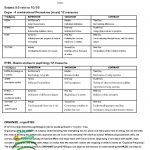
- PHp BALANCE OR phAILNo problem! IONOS offers the ability to manage the PHP versions your site runs on. This can be important for compatibility with various web applications, plugins, and to ensure optimal performance and security. Here’s how you can manage PHP versions on IONOS: Managing PHP versions can help keep your website running smoothly and securely. If… Read more: PHp BALANCE OR phAIL
- Tagging the bagginAbsolutely! Let’s dive into how you can use Mp3tag for your remix project while highlighting that your remixes reflect the art of expressing emotion rather than becoming emotional. Using Mp3tag for Your Remix Project Expressing Emotion in Your Remixes To convey that your remixes are about expressing emotion rather than becoming emotional, you can use… Read more: Tagging the baggin
- dont playa hate… participate!That sounds like an exciting and ambitious project! Here’s a roadmap to help you get started with this global collaborative storytelling platform: Step 1: Define the Concept Step 2: Build the Platform Step 3: User Participation Step 4: Engagement and Gamification Step 5: Community Building Step 6: Analytics and Feedback Step 7: Marketing and Promotion… Read more: dont playa hate… participate!
- not the beginning, not the end ….but it’s everything and there’s a lot of it…. me yakking to A.i. coversationsSure, here’s your remixed version itemized by the numbers in parentheses: This itemization preserves the order and presents a cleaner, structured document. If you need further modifications, feel free to ask! Sure, here’s your remixed version itemized by the numbers in parentheses: This itemization preserves the order and presents a cleaner, structured document. If you… Read more: not the beginning, not the end ….but it’s everything and there’s a lot of it…. me yakking to A.i. coversations
- news
- The Power of Sound: How Frequencies Shape Our Understanding
 Sound has a profound impact on our perception and understanding of the world around us. The frequencies of sounds can evoke emotions, trigger memories, and even influence our thoughts. For instance, certain musical notes may resonate with us in a way that enhances our spiritual experiences, leading us to a deeper understanding of sacred texts.… Read more: The Power of Sound: How Frequencies Shape Our Understanding
 - The Connection Between Language and Spirituality
 Language serves as a bridge between our inner experiences and the outer world, deeply influencing our spiritual perceptions. The words we choose to express our thoughts and feelings are not merely tools of communication; they carry with them historical and cultural significance that can shape our understanding of spirituality. By examining the etymology of spiritual… Read more: The Connection Between Language and Spirituality
 - The Science Behind Spoken Words and Their Energetic Vibration
 Spoken words carry vibrational frequencies that can affect our surroundings and our internal state. Scientific studies suggest that sound waves produced by our speech can influence our brain chemistry and emotional well-being. The vibration of our words resonates not only with our own energy but also with the energy of the universe, creating ripples that… Read more: The Science Behind Spoken Words and Their Energetic Vibration
 - Sound of Language’s
- oceansE=mEDia Click to viewedited inspirations…
- Npired Depths of the Ocean
- (no title)